Optimizing Urban Mobility: The Permit Challenge
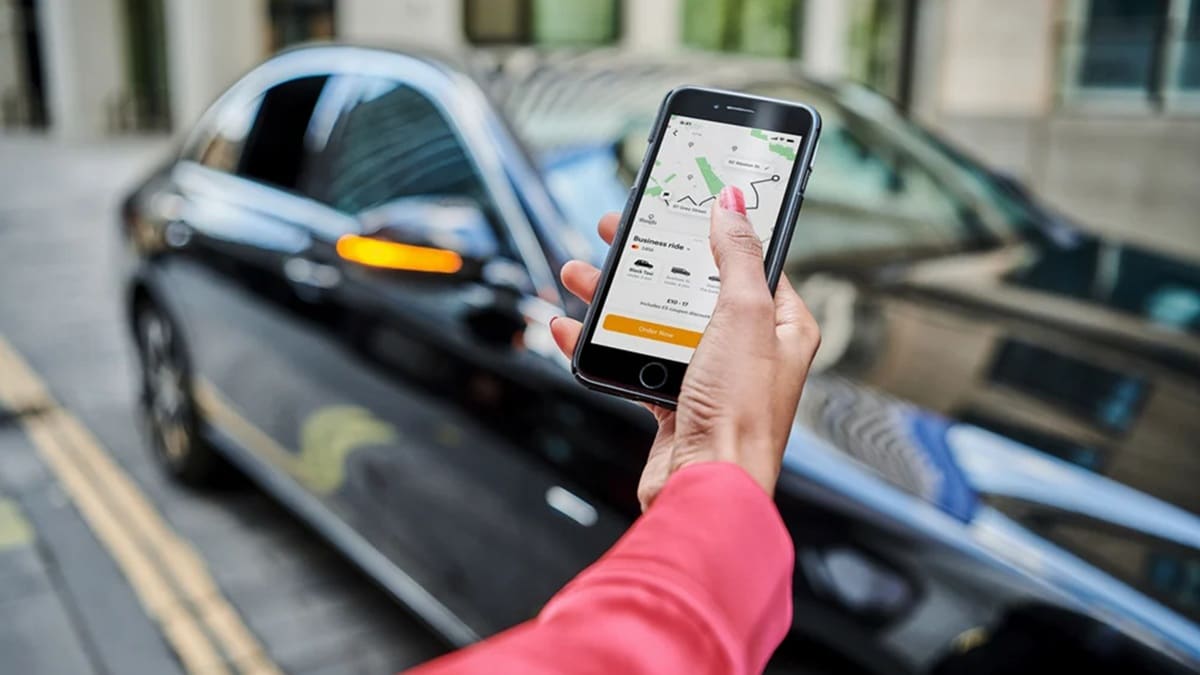
Modern urban mobility requires a calibrated regulatory framework that mirrors the fluid nature of digital logistics. Recently, ride-hailing companies expressed structural concerns regarding Punjab’s proposed Punjab ride-hailing permits system, which mandates district-specific documentation for app-based transport. Consequently, industry leaders warn that this antiquated approach to the Motor Vehicles Ordinance 1965 could disrupt the precision of current gig-economy models.
The provincial government has formally integrated ride-hailing services under Section 44B of the existing ordinance. Therefore, vehicles operating through digital platforms may soon require separate permits for every district they enter. For a driver navigating the complex sprawl of urban Punjab, this represents a significant increase in administrative friction and operational costs.
The Structural Friction of District-Specific Mandates
Ride-hailing drivers do not operate on fixed routes; instead, they respond to real-time demand across administrative boundaries. Consequently, a single trip often crosses multiple districts. If the Punjab ride-hailing permits require a new fee for every boundary, a driver using two apps across three districts might face a logistical nightmare. Specifically, they could need six separate permits to remain compliant.
Executives in the sector emphasize that this additional regulatory burden functions as a catalyst for reduced driver earnings. Furthermore, these professionals already manage rising fuel costs and vehicle maintenance. A fragmented permit system threatens the baseline sustainability of the platform economy in Pakistan.
The Situation Room: Strategic Analysis
The Translation: Modern Tech vs. Legacy Laws
Essentially, the government is attempting to apply a 1965 legal framework to 21st-century algorithmic dispatching. While the intent is to improve oversight, the mechanism—district-based permits—ignores the borderless nature of app-based transport. The industry proposes a centralized digital registration system instead. This would create a single provincial permit, ensuring both accountability and system efficiency.
The Socio-Economic Impact: What it Means for Citizens
For the average Pakistani citizen, this development directly impacts household mobility. If drivers must pay more for Punjab ride-hailing permits, those costs will inevitably transfer to the passenger. Students and professionals in major urban centers may experience higher wait times and increased fares as drivers avoid crossing district lines to escape fines. Ultimately, this reduces the efficiency of our national transport infrastructure.
The Forward Path: Momentum Shift or Inefficiency?
This development represents a Stabilization Move that currently risks becoming an inefficiency trap. While formalizing the sector is progress, the current execution is calibrated incorrectly. For true momentum, Punjab must adopt a unified digital permit. This would provide the government with necessary data while allowing the digital economy to scale without artificial geographical constraints.