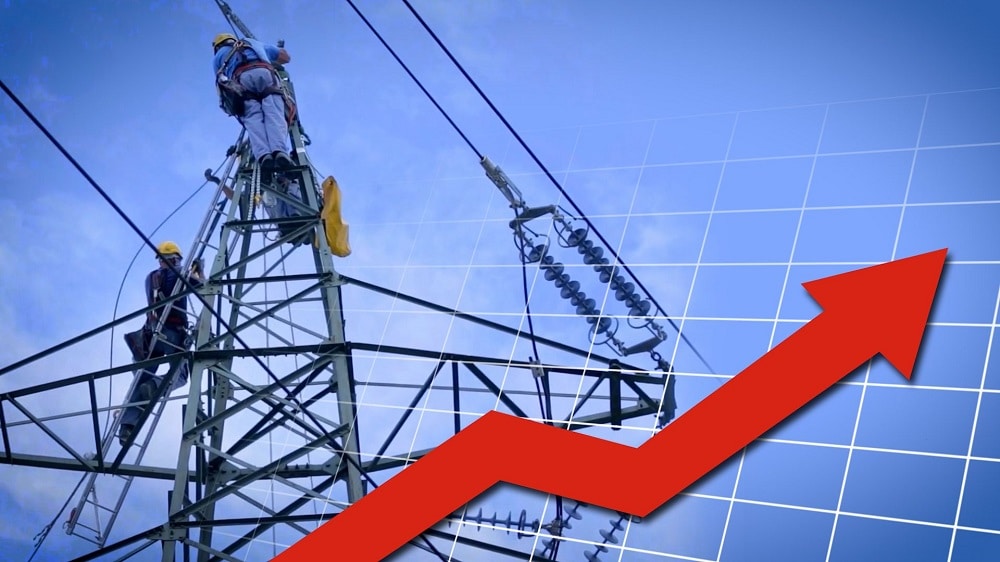
Pakistan is strategically optimizing its power sector. Recent renegotiated deals with independent power producers (IPPs) are projected to yield an extraordinary Rs. 1.4 trillion in electricity cost reduction over time. This significant financial recalibration, detailed in the Mishal Pakistan Reforms Report 2026, directly addresses the national exchequer’s burden while promising relief for consumers. The structural adjustments aim to enhance system efficiency and create a more sustainable energy framework.
The Translation: Deconstructing Energy Sector Efficiency
Driving Electricity Cost Reduction Through Strategic IPP Reforms
The government’s persistent efforts in revising contracts with private power producers represent a calibrated approach to fiscal responsibility. Fundamentally, these revised agreements involve lower capacity payments and more efficient operational terms. Consequently, the national economy gains substantial savings. The Mishal Report 2026 highlights the depth of these reforms, detailing over 600 implementations across 135 federal institutions last year. Significantly, the energy sector alone accounted for approximately 40 percent of this extensive reform activity, demonstrating a focused national drive towards energy optimization.
Furthermore, digital transformation is a core component of this strategic overhaul. Over 200 changes, executed via digital platforms, have been integrated to improve both transparency and the delivery of critical services. These technological advancements extend beyond energy, positively impacting law and justice, digital governance, and investment policy frameworks, creating a more interconnected and responsive national infrastructure.
The Socio-Economic Impact: Calibrating Daily Life
Direct Benefits for Pakistani Citizens
This unprecedented electricity cost reduction directly translates into tangible benefits for every Pakistani citizen. For households, reduced electricity bills mean more disposable income, potentially easing budgetary constraints. Students and professionals operating from home will experience lower utility overheads, fostering a more conducive environment for learning and remote work. In rural Pakistan, where electricity costs can disproportionately impact livelihoods, these savings offer a vital economic cushion.
The broader impact involves increased investor confidence due to a more transparent and efficient energy market. Federal Minister for Climate Change, Dr. Musadik Malik, emphasizes that such transparency and evidence-based policymaking are pivotal for strengthening public trust. Ultimately, this structural improvement in the power sector is designed to stabilize economic variables, thereby enhancing the overall quality of life across urban and rural landscapes.
The Forward Path: A Momentum Shift
Expert Opinion on Pakistan’s Energy Trajectory
These comprehensive power sector reforms unequivocally represent a Momentum Shift for Pakistan. The transition from mere policy announcements to measurable execution, as noted by Mishal Pakistan’s CEO Aamir Jahangir, signals a maturing reform narrative. The projected Rs. 1.4 trillion saving is not merely a financial figure; it is a catalyst for national advancement, enabling reinvestment into crucial infrastructure and social programs. This strategic recalibration positions Pakistan on a firmer baseline for future energy independence and economic stability.