

Architecting Next-Gen Mobile Power: The Redmi K90 Max Emergence
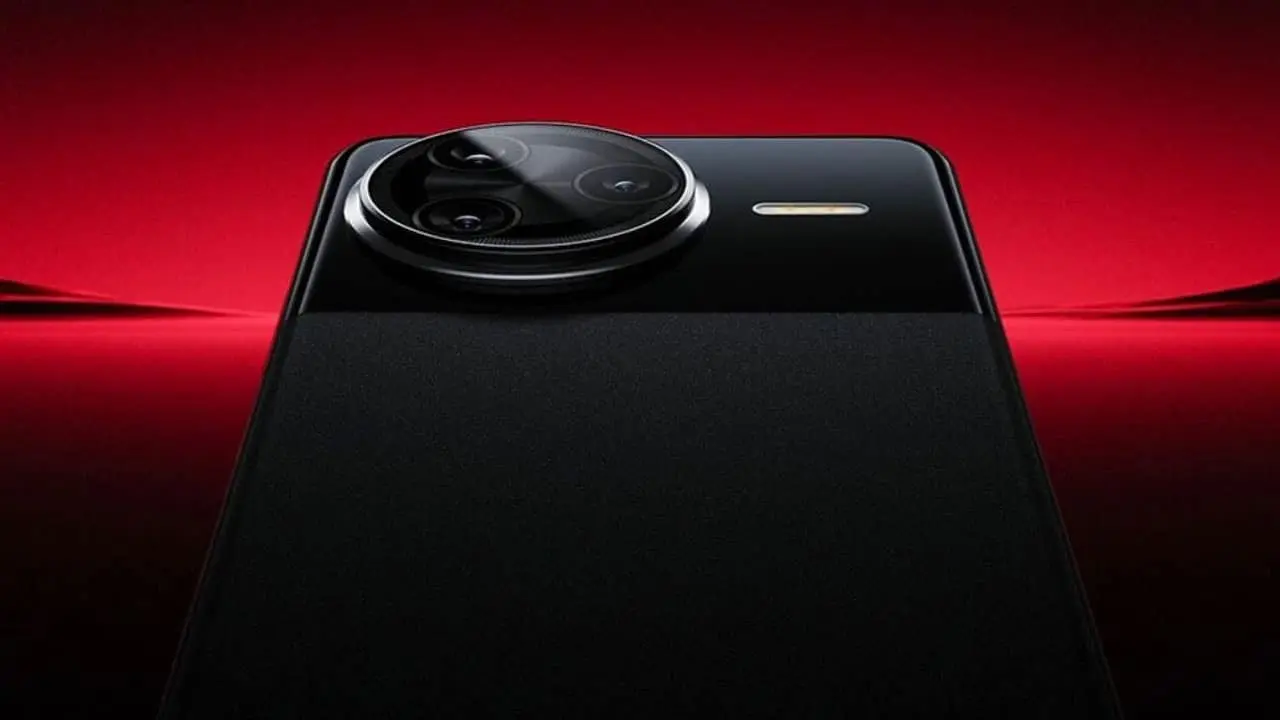
The Redmi K90 Max, a critical upcoming innovation, has surfaced on Geekbench, providing a calibrated glimpse into its foundational hardware. This strategic benchmark appearance confirms the integration of a flagship chipset, signaling a substantial advancement in mobile processing capabilities for the Pakistani digital landscape. Furthermore, the device is slated for official unveiling later this month alongside the K Pad 2, promising a robust new offering in the high-performance smartphone segment.
Calibrating Performance Baselines: Benchmark Data Analysis
A prototype of this advanced smartphone, identified with model number 2604FRK1EC, recently underwent rigorous testing on Geekbench 6.6. The obtained scores provide a precise performance baseline: a single-core score of 3,513 and a multi-core score of 10,711. Consequently, these metrics robustly indicate a high-end performance profile, positioning the device as a formidable contender in the premium smartphone category.
The Translation: Decoding Raw Power for Everyday Use
Geekbench scores serve as a technical indicator of a smartphone’s raw computational strength. A single-core score quantifies its efficiency in handling sequential tasks, while the multi-core score reflects its prowess in parallel processing and complex applications. Essentially, these elevated figures mean this device can execute demanding software, advanced gaming, and intensive multitasking with exceptional fluidity and speed, offering a significantly enhanced user experience.
Socio-Economic Impact: Empowering Pakistan’s Digital Citizens
This level of processing power directly impacts the daily lives of Pakistani citizens. Students gain an indispensable tool for complex simulations and rapid research. Professionals can execute resource-intensive applications on the go, boosting productivity. Moreover, the superior graphics processing elevates mobile gaming, providing immersive entertainment. This structural advancement serves as a catalyst for digital literacy and economic participation across urban and rural demographics.
Structural Integrity & Advanced System Architecture
This smartphone is strategically powered by the MediaTek Dimensity 9500 chipset, a core component designed for optimal efficiency and speed. The tested prototype incorporated a substantial 16GB of RAM, establishing a high baseline for multitasking capabilities. Significantly, additional memory configurations are anticipated at launch, allowing for tailored user specifications. The device will operate on Android 16, integrated with Xiaomi’s proprietary HyperOS 3, ensuring a streamlined and responsive user interface.
Optimized Software Architecture
The synergy between the Dimensity 9500 and 16GB RAM creates a robust computing environment. This combination ensures that the device can manage multiple applications simultaneously without performance degradation. Furthermore, HyperOS 3 on Android 16 provides a refined user experience, prioritizing smooth transitions, quick app launches, and enhanced security protocols, crucial for a modern digital ecosystem.
Visual Precision & Integrated Thermal Management
Visual fidelity on the Redmi K90 Max is engineered through a 6.83-inch OLED display, featuring a 1.5K resolution and an ultra-responsive 165Hz refresh rate. This calibrated display specification ensures vibrant colors, deep contrasts, and exceptionally smooth motion. Critically, the device is projected to integrate the largest smartphone cooling fan ever utilized. Redmi asserts this advanced thermal system can precisely reduce internal temperatures by up to 10 degrees Celsius within a rapid 100-second operational window, ensuring sustained peak performance.
Integrated Cooling Innovation
The inclusion of an internal cooling fan represents a significant engineering leap, particularly for high-performance mobile devices. This active thermal management system directly addresses the challenge of heat dissipation during intensive tasks such as gaming or prolonged video streaming. Consequently, it prevents performance throttling, maintains optimal component longevity, and ensures a consistent, high-fidelity user experience, regardless of workload.
Sustained Operational Capacity & Robust Durability Protocols
The Redmi K90 Max is rumored to feature an 8,500mAh battery, a substantial power reservoir designed for extended usage cycles. This robust battery capacity is complemented by support for rapid 100W wired charging, enabling swift power replenishment. Furthermore, despite integrating an internal cooling fan—a component often posing design challenges for ingress protection—the device is anticipated to carry comprehensive IP66, IP68, and IP69 ratings, signifying exceptional resistance to dust and water.
Robust Durability Protocols
The multi-tiered IP ratings (IP66, IP68, IP69) collectively establish a new baseline for smartphone durability. These specifications mean the device is meticulously sealed against fine dust particles, capable of immersion in water, and resistant to high-pressure water jets. This structural resilience is paramount for users in diverse Pakistani environments, offering peace of mind and extending the operational lifespan of the device.
The “Forward Path”: Assessing the Redmi K90 Max’s Strategic Position
The impending launch of the Redmi K90 Max represents a decisive Momentum Shift in smartphone engineering. Its innovative thermal management, coupled with a high-performance chipset and robust durability, sets a new precision standard for sustained mobile computing power. This device is not merely an incremental update; it is a strategically calibrated step forward, enhancing both user experience and the structural resilience of modern smartphones. We anticipate its full specifications will be confirmed at the official unveiling later this month.








