
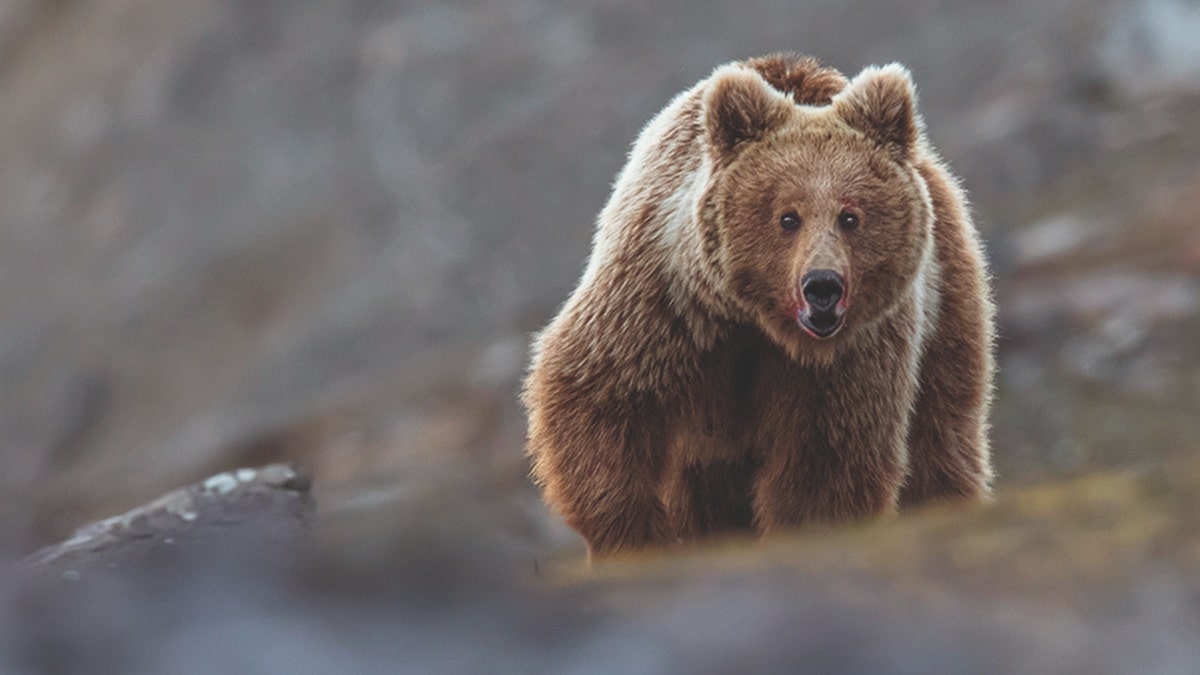
The Biological Baseline: Himalayan Brown Bear Presence
The recent sighting of a Himalayan brown bear at 14,000 feet within Khunjerab National Park signifies a calibrated recovery of Pakistan’s high-altitude biodiversity. This confirmed observation near a wildlife outpost serves as a strategic biological baseline, validating the structural integrity of our northern conservation corridors. Consequently, the sighting in Kuksal, Gojal Valley, provides vital data for ongoing environmental monitoring and habitat management efforts.
The Translation: Decoding High-Altitude Biodiversity
While a single sighting may appear anecdotal, it functions as a critical indicator of regional ecosystem health. The Himalayan brown bear acts as an apex species; its presence suggests the entire food chain—from alpine vegetation to smaller mammals—is functioning within precise parameters. Specifically, wildlife experts interpret these high-altitude movements as evidence of successful habitat connectivity. This connectivity remains essential for the survival of the approximately 200 bears remaining in Pakistan’s rugged northern territories.
Socio-Economic Impact: Nature as National Capital
For the Pakistani citizen, a stable wildlife population serves as a catalyst for sustainable eco-tourism and national prestige. Preserving these habitats ensures that northern communities maintain their natural capital, which indirectly stabilizes local micro-economies through regulated, high-value tourism. Furthermore, healthy mountain ecosystems protect watersheds that are vital for downstream agricultural efficiency. Protecting the Himalayan brown bear is therefore a structural necessity for long-term resource security and rural stability.
- Economic Catalyst: Enhances regional biodiversity metrics for sustainable tourism.
- Resource Security: Secures watershed integrity for downstream agricultural households.
- National Heritage: Preserves the rare biological assets unique to the Karakoram range.
The Forward Path: A Strategic Momentum Shift
This development represents a Momentum Shift for Pakistan’s environmental policy. The historical recovery in Deosai National Park—where populations stabilized at approximately 66 bears—provides a calibrated blueprint for future success in Khunjerab. However, stakeholders must now prioritize precision-led waste management and human-wildlife conflict mitigation to maintain this trajectory. We must view this sighting as a catalyst for expanded conservation infrastructure across our northern frontier.








