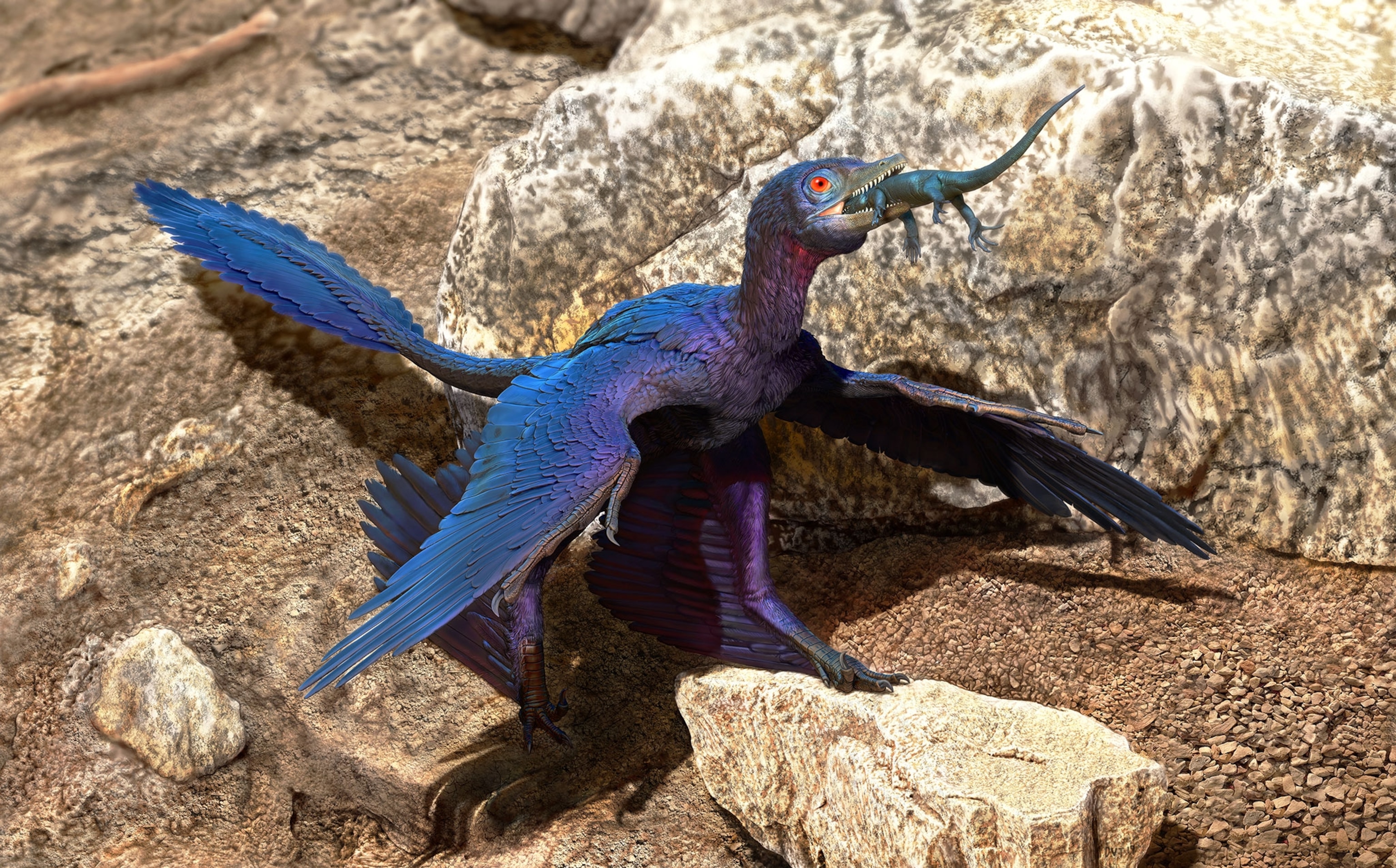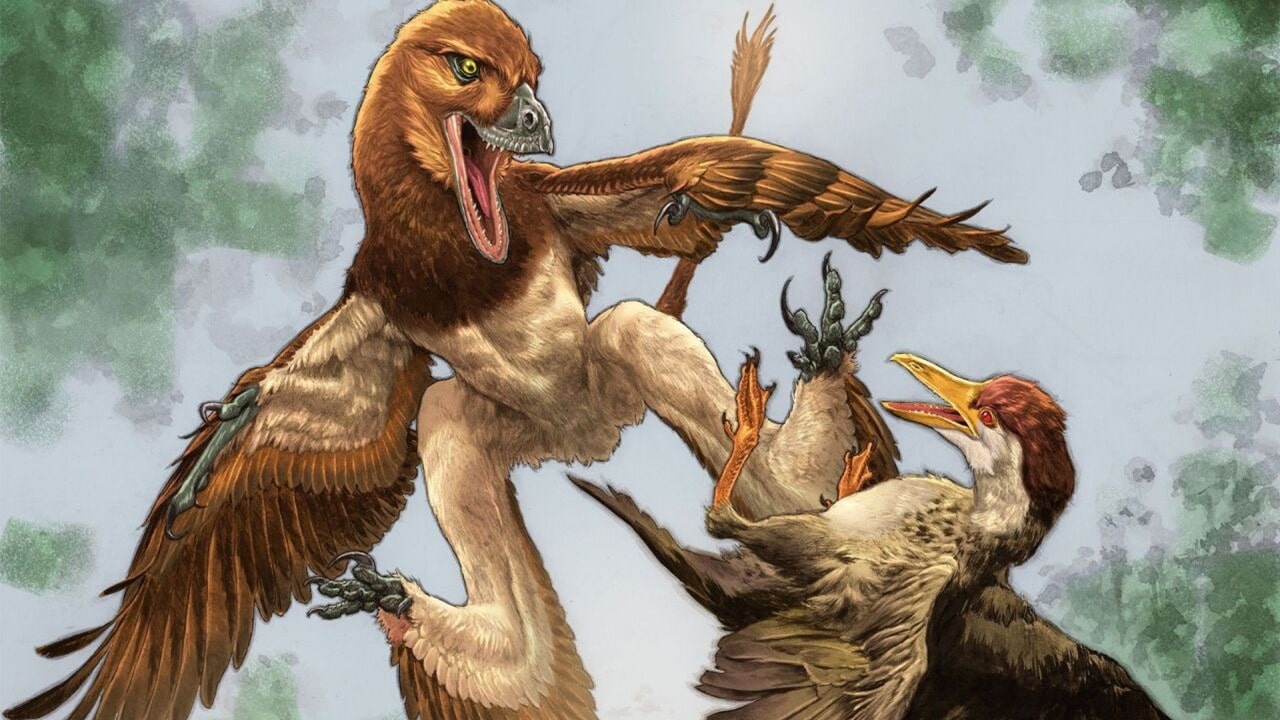
The biological architecture of flight represents one of nature’s most calibrated engineering feats. Recently, researchers identified a remarkably well-preserved four-winged dinosaur fossil in northwestern China. This 120-million-year-old specimen, discovered in the Changma Basin of Gansu province, provides a strategic baseline for understanding the transition from predatory dinosaurs to modern avian species. Consequently, this discovery redefines our structural understanding of the microraptor lineage.
Strategic Discovery of the Four-Winged Dinosaur
The newly identified species, named Jianchangmaensis, honors the specific geographic basin where scientists recovered the bones. Notably, the name “Jian” references a one-winged bird from Chinese mythology, reflecting the creature’s transitionary biological state. Furthermore, this find is significant because it represents the only confirmed microraptor specimen found outside northeastern China. This geographic expansion suggests that these predators were more widespread than previously calibrated models indicated.

Researchers analyzed the specimen’s intact shoulder and forelimb bones to confirm its unique status. According to Dr. Matt Lamanna, the co-author of the study, the fossil serves as the most recent definitive Microraptor specimen in the current fossil record. Therefore, it effectively extends the known timeline of these feathered predators. This precise data allows scientists to reconstruct the ecological setting of bird ancestors with greater accuracy.
The Situation Room: The Translation
To understand the four-winged dinosaur, one must look at its specific structural components. While modern birds utilize two wings, microraptors possessed long feathers on both their forelimbs and hind legs. This configuration gave them a four-winged appearance, likely utilized for gliding between trees. Specifically, this “biplane” arrangement allowed them to navigate complex forest environments, much like a modern flying squirrel. This discovery proves that the path to modern flight was not linear but involved varied aerodynamic experiments.

The Situation Room: Socio-Economic Impact
How does this ancient discovery impact the daily life of a Pakistani citizen? While the fossil was found in China, the scientific methodology and rigor involved serve as a vital catalyst for STEM education in Pakistan.
- Academic Motivation: Such discoveries inspire Pakistani students to pursue careers in paleontology and evolutionary biology.
- Collaborative Research: It emphasizes the necessity for international scientific partnerships, a model Pakistan can adopt to explore its own untapped fossil reserves in the Salt Range or Balochistan.
- Technological Precision: The use of 3D preservation analysis sets a benchmark for local researchers in digital archaeology and structural engineering.
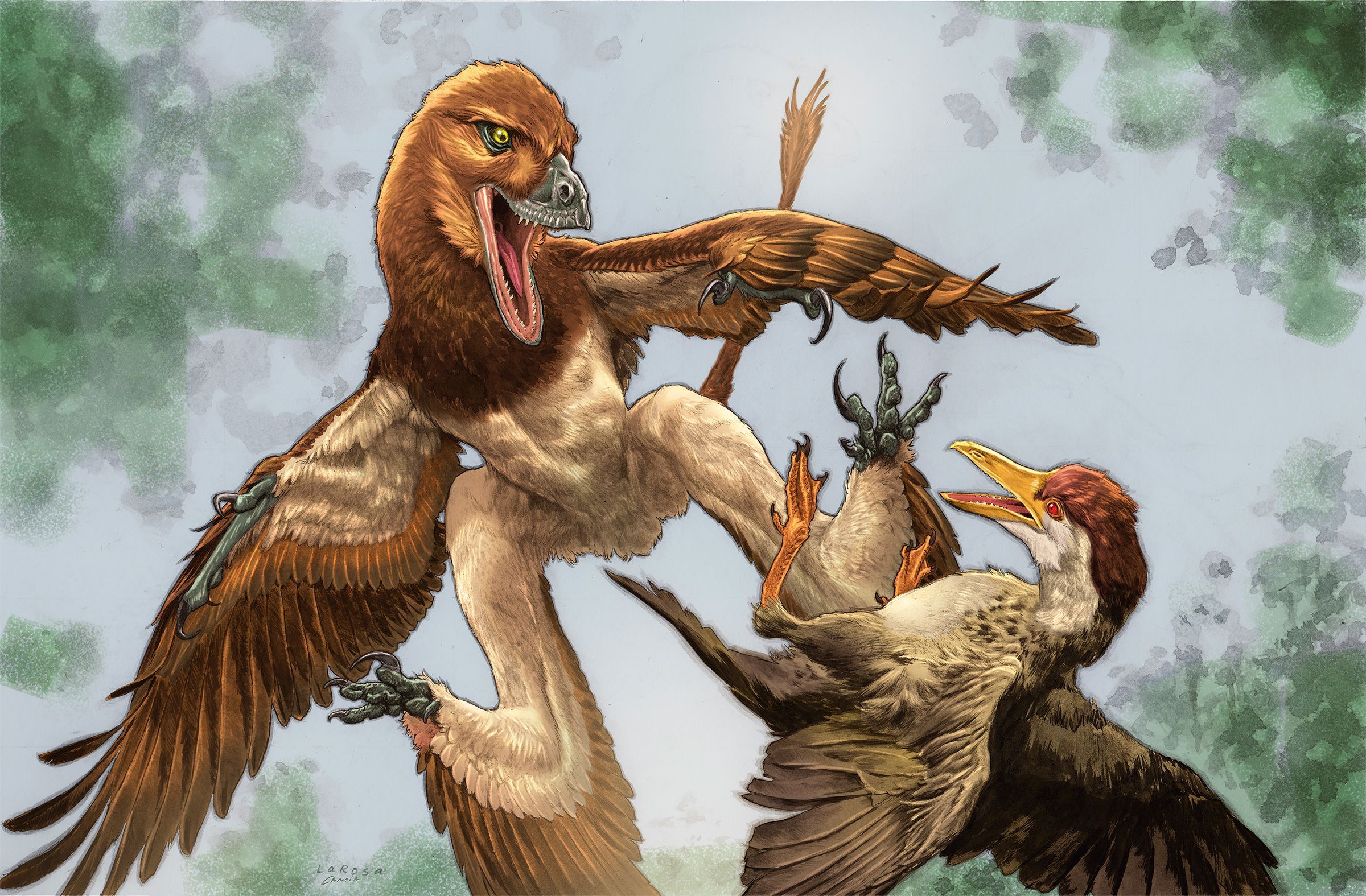
The Situation Room: The Forward Path
This development represents a definitive Momentum Shift in evolutionary science. It validates the theory that flight evolved through multiple biological iterations rather than a single event. For Pakistan, the forward path involves integrating these global scientific standards into our national curriculum. We must move beyond rote learning and foster a culture of inquiry that views every discovery as a piece of a larger systemic puzzle. The discovery of Jianchangmaensis is not just a look at the past; it is a blueprint for future biological engineering.