
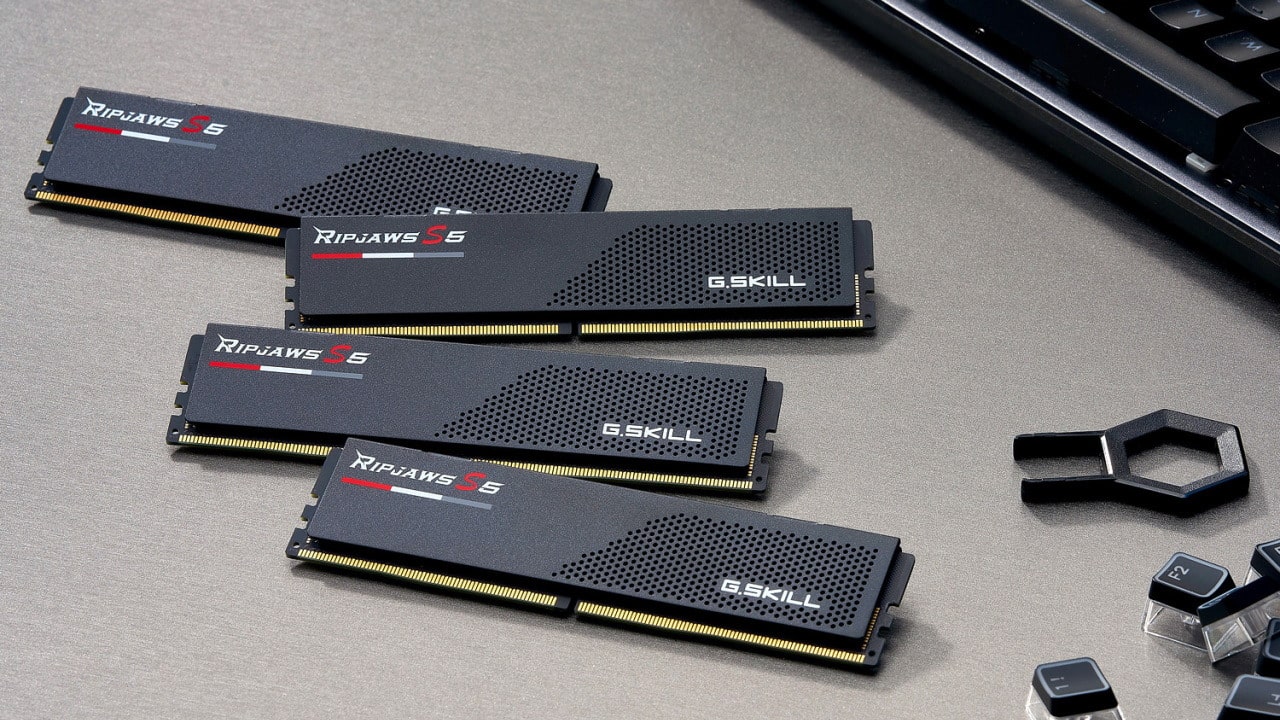
The global computing architecture faces a structural bottleneck as DDR5 memory prices are projected to remain high until at least 2027. David McAfee, AMD’s Vice President, recently calibrated market expectations by noting that the massive surge in AI infrastructure consumes a disproportionate share of chip supply. Consequently, the industry does not anticipate a return to baseline affordability for at least another two years, marking a significant delay in market normalization.
AI Infrastructure as a Market Catalyst
Memory manufacturers are strategically reallocating their production capacity to satisfy the high-margin AI data center market. This shift creates a precision-based scarcity within the consumer electronics sector. While global production is expanding, the transition of fabrication lines to accommodate both DDR5 and High Bandwidth Memory (HBM) requires significant lead time. Furthermore, the systematic reduction in DDR4 production priority has inadvertently tightened supply across all memory generations.
Analyzing DDR5 Memory Prices and Supply Constraints
Higher costs for newer hardware platforms have forced a strategic return to DDR4-based systems for budget-conscious builders. Consequently, AMD has responded by extending the lifecycle of the AM4 platform to provide a calculated upgrade path. By offering high-performance CPUs that utilize older memory modules, the industry is attempting to stabilize the entry-level market. Additionally, reports indicate that DDR5 kits are currently retailing at four to five times their historical baseline in specific regional markets.
The Translation
In technical terms, the global “memory shortage” is a result of manufacturing overlap. High-end AI accelerators require specialized memory that is manufactured on the same silicon wafers as consumer RAM. Because AI data centers represent a higher return on investment for companies like Samsung and SK Hynix, consumer-grade DDR5 production remains a secondary priority. This structural misalignment ensures that prices stay high until fabrication capacity can finally outpace AI demand.
The Socio-Economic Impact
For the average Pakistani citizen, this price hike represents a tangible barrier to digital advancement. The impact is felt most acutely in the following areas:
- Student Accessibility: The rising cost of laptops and PC components makes high-performance computing less accessible for STEM students.
- Freelance Overhead: Professional developers and graphic designers face higher capital expenditures to maintain competitive hardware.
- Infrastructure Costs: Local businesses and educational institutions will see a significant increase in the procurement costs for server and networking equipment.
The Forward Path
This development represents a Stabilization Move. While it may seem like a setback, the industry’s decision to support older platforms like DDR4 provides a necessary buffer. By maintaining legacy support, manufacturers are preventing a total market freeze. However, momentum in high-end consumer computing will remain stalled until the global supply chain achieves the calibration required to balance AI needs with consumer demand.








