
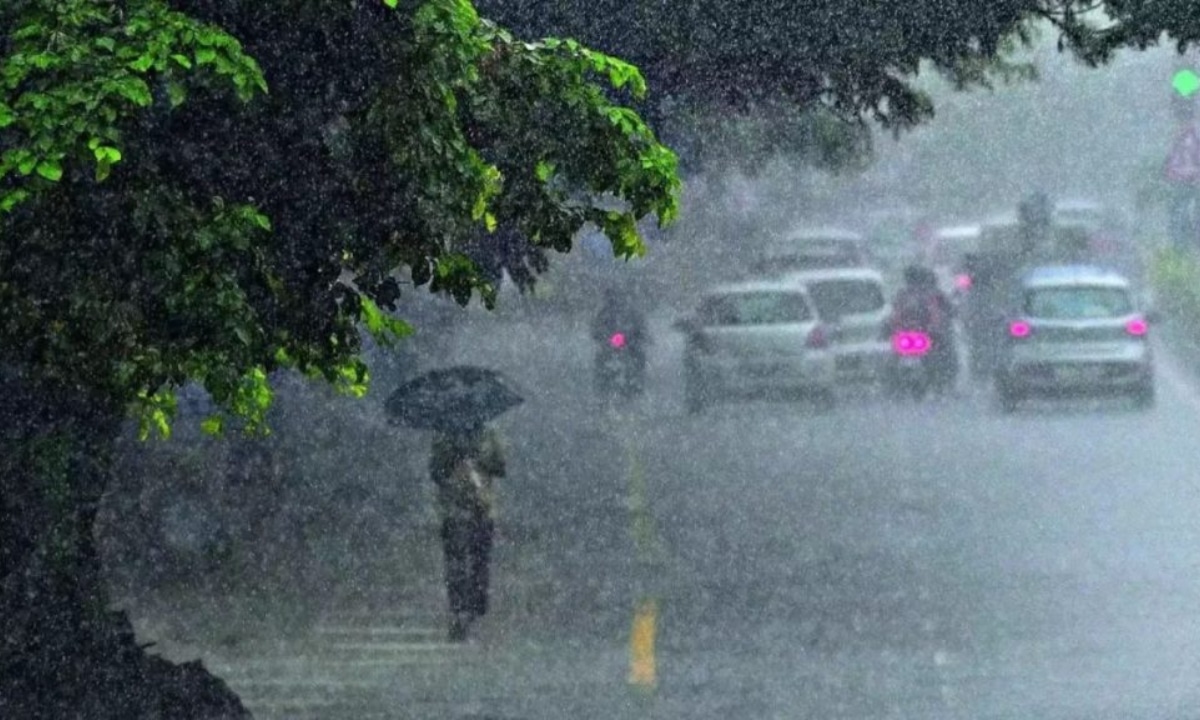
Precision climate monitoring is essential for maintaining Pakistan’s structural productivity during seasonal transitions. The National Disaster Management Authority (NDMA) has issued a rain forecast Pakistan update for June 11 and 12, signaling a calibrated relief from the intense heatwave currently gripping the nation. While northern regions expect precipitation, southern provinces like Sindh and Balochistan will continue to face severe thermal loads until the atmospheric systems align.
Meteorological Calibration: Mapping the Precipitation Zone
According to the latest strategic advisory, rain and strong winds are expected to impact Islamabad, parts of Khyber Pakhtunkhwa, and northern Punjab. Consequently, cities such as Rawalpindi, Lahore, Sialkot, and Gujranwala may experience a significant drop in baseline temperatures. Furthermore, the NDMA notes that this spell serves as a catalyst for cooling in areas that have endured record-breaking heat. In contrast, the southern corridors remain under a “Stabilization Move” regarding heat management.

Sindh and southern Punjab are likely to remain under severe thermal stress. Temperatures in Karachi and Hyderabad will continue to rise as the dry system stays stationary. Between June 7 and 10, even the northern regions will remain in the grip of intense heat before the predicted precipitation provides a strategic window of relief.
The Translation
The NDMA advisory interprets complex atmospheric shifts into a clear directive: a localized low-pressure system is moving toward the northern latitudes. This is not the onset of the monsoon, but rather a short-term correction. This “trough” interacts with the existing heat to produce localized thunderstorms and wind, providing a brief thermal reset for urban infrastructures.
The Socio-Economic Impact of the Rain Forecast Pakistan
For the average Pakistani citizen, this rain forecast Pakistan offers more than just comfort; it impacts systemic efficiency. In northern Punjab and Islamabad, a reduction in heat directly correlates to lower energy demand on an overstretched national grid. For students and professionals, the cooling effect improves cognitive focus and productivity. However, in Sindh and Balochistan, the persistent heat threatens livestock and agricultural yields, necessitating precise water management strategies by local households.

The Forward Path
This development represents a Stabilization Move. While the rain provides immediate relief, it does not signal a permanent end to the summer heat. The systemic challenge remains: Pakistan must evolve its urban cooling architectures to handle the “heat islands” in cities like Karachi and Multan. This rain is a temporary catalyst for relief, but long-term climate resilience requires structural planning beyond weekly forecasts.








