Accelerating National Connectivity: The Pakistan Fast Train Initiative
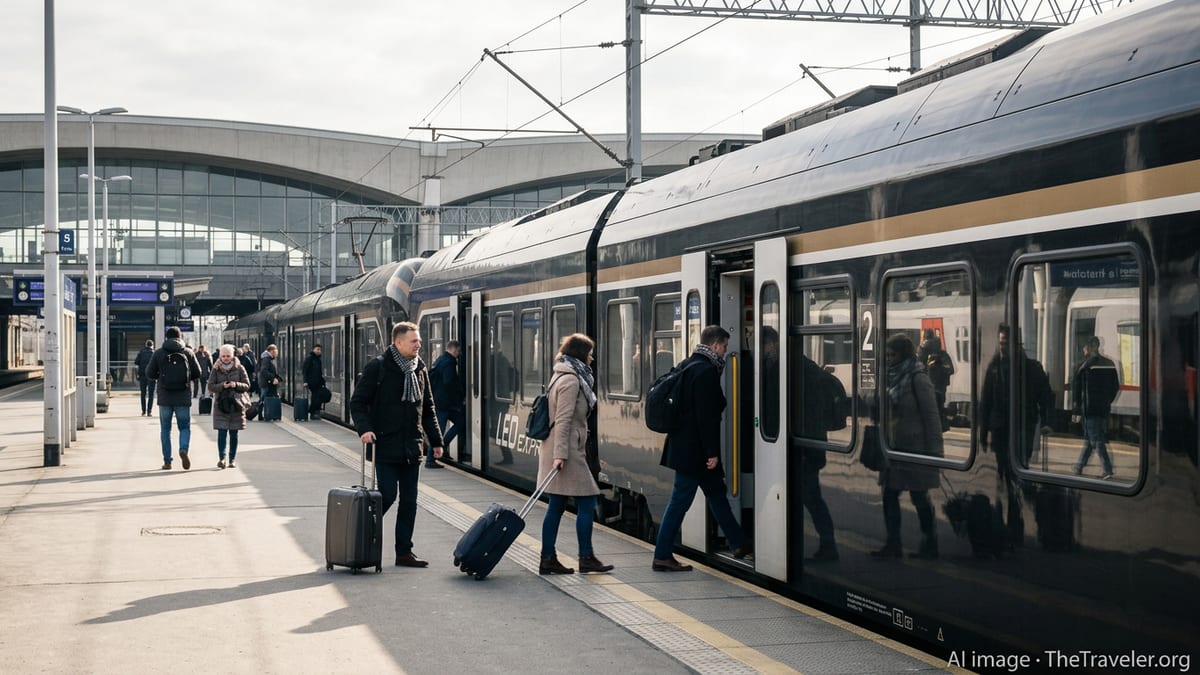
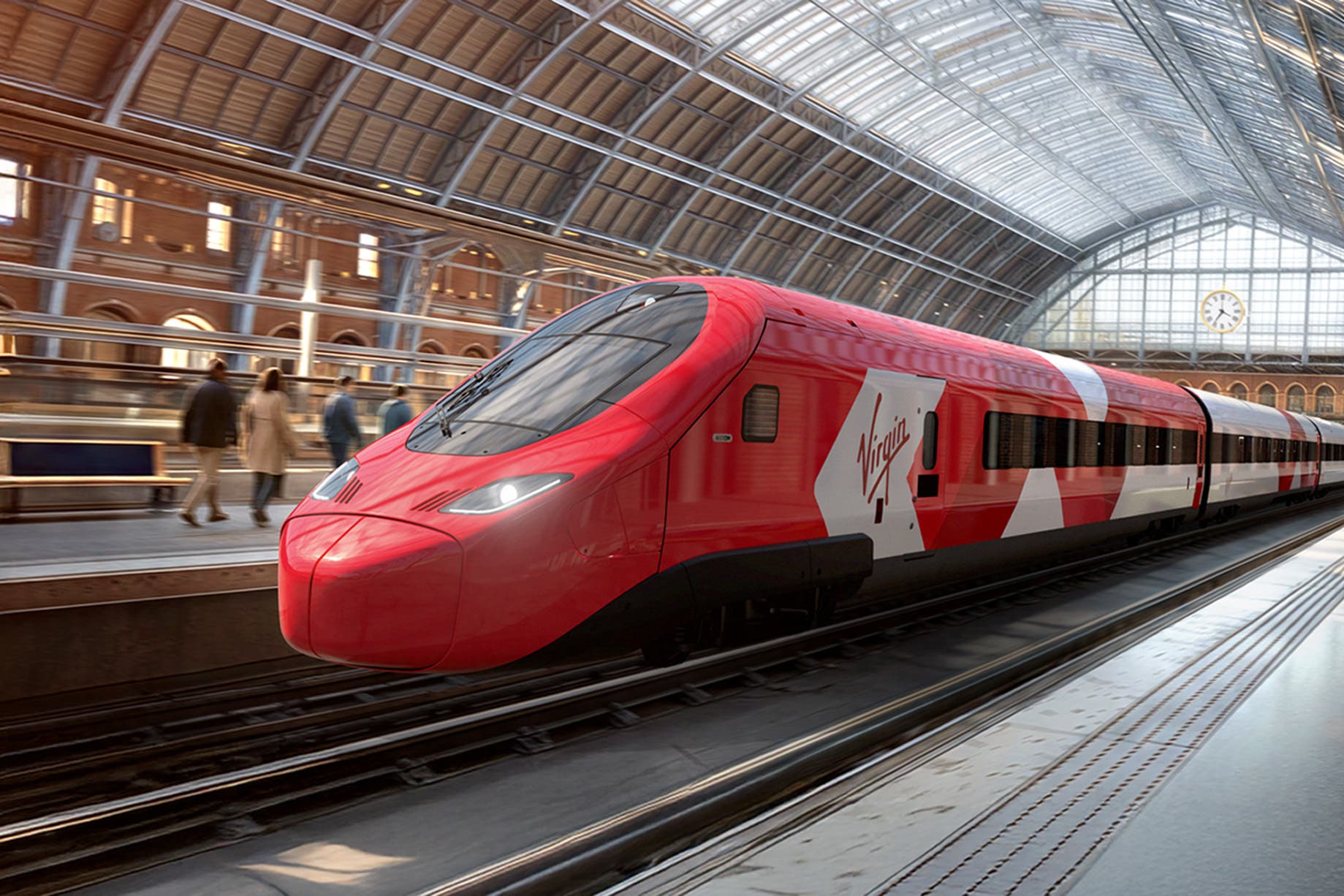
Pakistan is advancing its national infrastructure with a strategic initiative to significantly upgrade its rail network. The Punjab government, in collaboration with Pakistan Railways, has formally launched a Pakistan Fast Train service between Lahore and Rawalpindi. This structural enhancement will reduce travel time to approximately two hours and fifteen minutes. Furthermore, it simultaneously establishes eight new local routes spanning 1,415 kilometers across 20 regions of Punjab. This project represents a calibrated effort to enhance connectivity and efficiency for nearly 90 million citizens, thereby driving economic and social progress.
The Translation: Precision in Rail Expansion
This comprehensive agreement between the Punjab government and Pakistan Railways outlines a multi-faceted approach to modernize the provincial transport infrastructure. Specifically, the initiative introduces a new high-speed link and expands local train services. The Pakistan Fast Train operating between Lahore and Rawalpindi aims for an ambitious travel time reduction, signaling a shift towards more efficient inter-city transit. Consequently, the plan includes extensive local routes, ensuring broader accessibility across various districts. This strategic expansion is designed to integrate key population centers more effectively into the national transit system, promoting regional cohesion.

Extending the Network’s Reach
The network expansion encompasses crucial routes to improve regional links. These include services from Shahdara to Narowal and onward to Sialkot, and routes connecting Raiwind, Kasur, Pakpattan, and Lodhran. Additionally, new operations will link Sheikhupura, Jaranwala, and Shorkot, alongside routes connecting Lala Musa, Malakwal, and Sargodha. Another vital connection will be established between Faisalabad, Chak Jhumra, and Shahinabad. Importantly, an interprovincial service from Kot Addu to Kashmore via Dera Ghazi Khan is also a structural component of this expansive plan. Therefore, this broadens the baseline for national logistical efficiency.

The Socio-Economic Impact: Catalyzing Daily Life
This rail modernization is poised to profoundly impact the daily lives of Pakistani citizens. For students and professionals, reduced travel times on the Lahore-Rawalpindi corridor mean more productive hours, fostering academic and economic growth. Urban and rural households will experience improved accessibility to essential services, markets, and employment opportunities due to the expanded local routes. For instance, residents in regions like Kasur or Jaranwala will gain more efficient access to larger urban centers. Therefore, this initiative functions as a catalyst for socio-economic mobility and regional development, directly benefiting approximately 90 million individuals.
Enhancing Economic Integration
The expanded rail network is fundamentally a mechanism for economic integration. By linking diverse regions and major cities, it facilitates the smoother flow of goods and people. This enhanced connectivity supports local businesses by providing more reliable transport options for supply chains and opens new markets for agricultural and industrial products. Moreover, improved transport infrastructure often correlates with increased investment, potentially creating new job opportunities and bolstering local economies. Consequently, the rail project builds a more robust foundation for provincial economic resilience and growth.

The “Forward Path”: A Strategic Momentum Shift
This development signifies a definitive Momentum Shift for Pakistan’s transportation sector. The strategic introduction of a Pakistan Fast Train coupled with widespread local route expansion moves beyond mere maintenance; it proactively restructures the national transit framework. This initiative aligns with a forward-thinking vision for infrastructure development, prioritizing efficiency and accessibility. While implementation will require meticulous oversight, the baseline commitment to modernizing rail infrastructure and targeting significant travel time reductions indicates a clear trajectory towards national advancement. Consequently, this project positions Pakistan for calibrated progress in both inter-city and regional connectivity.

Future-Proofing Transit Systems
Investing in modern rail infrastructure is crucial for future-proofing Pakistan’s transit systems against escalating demand. This project establishes a precedent for adopting more efficient and technologically advanced solutions in public transport. It addresses the growing need for rapid, reliable, and accessible modes of travel, essential for a burgeoning population and evolving economic landscape. Therefore, the strategic embrace of faster and more extensive rail services represents a structural commitment to long-term national sustainability and systematic progress.