

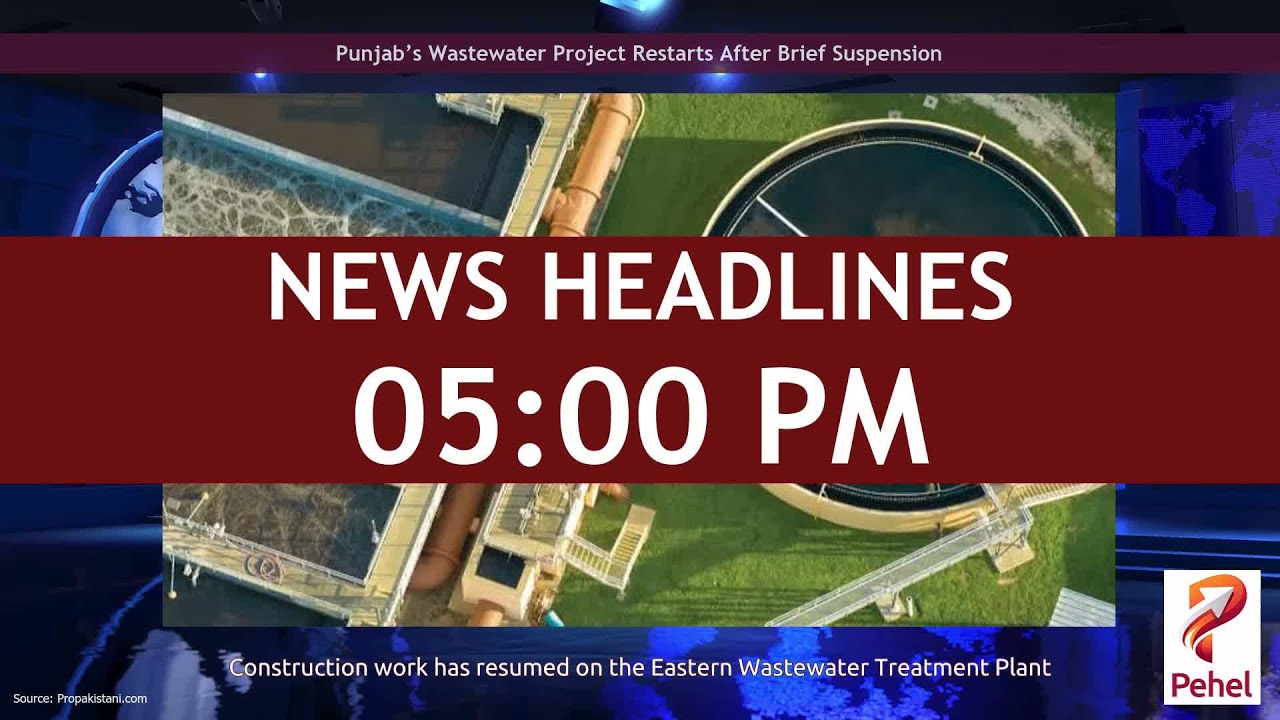
The Wastewater Treatment Project in Faisalabad has resumed operations following a calibrated resolution of security concerns raised by international partners. This facility represents a critical baseline for urban sanitation infrastructure in Punjab. Consequently, the return of foreign engineers signals a renewed momentum for this strategic environmental initiative, ensuring the mega-development scheme remains on track for timely completion.
The Translation: Infrastructure as a Catalyst
While the temporary suspension created a brief structural delay, diplomatic intervention by the Danish International Development Agency and local security forces has stabilized the framework. The project is not merely a construction site; it is a precision-engineered system designed to process 33 million gallons of waste daily. By redirecting municipal discharge from the Madhuana Drain to the Gugera Branch Canal, the system transforms toxic liability into a strategic resource for agricultural efficiency.
The Socio-Economic Impact: Securing Our Wastewater Treatment Project
The successful completion of this plant will fundamentally alter the health landscape for Faisalabad’s residents. Currently, untreated industrial runoff degrades the River Ravi and damages fragile aquatic ecosystems. By purifying this water for agricultural use, the project safeguards the food supply chain and reduces the incidence of waterborne diseases in local communities. Furthermore, professionals in the industrial sector benefit from a more sustainable, regulated discharge mechanism that meets global environmental standards.
The Forward Path: A Momentum Shift for Faisalabad
This development represents a significant Momentum Shift in Punjab’s environmental policy. While the security pause was an awkward friction point, the swift resolution demonstrates a strategic commitment to foreign partnerships. Sustaining this progress is essential to transform Faisalabad into a model of systemic efficiency for urban Pakistan. Future projects must prioritize integrated security compounds at the design phase to prevent similar structural interruptions and ensure baseline stability.








