The Strategic Preservation of Punjab Transport Fares
In a decisive move to maintain regional economic stability, the provincial government has successfully negotiated a freeze on Punjab transport fares despite volatile global energy trends. This architectural shift ensures that the logistics backbone of the province remains functional without placing an additional burden on the working class. Consequently, the Pakistan Mini Mazda Goods Transport Association and other key unions have committed to maintaining current pricing baselines.
Transport Minister Bilal Akbar orchestrated this calibration of public interest and private sector operational costs. Strategically, the government continues to subsidize free travel on metro and electric buses, which serves as a vital catalyst for urban mobility. Therefore, the immediate threat of inflationary pressure on the transport sector has been effectively neutralized.
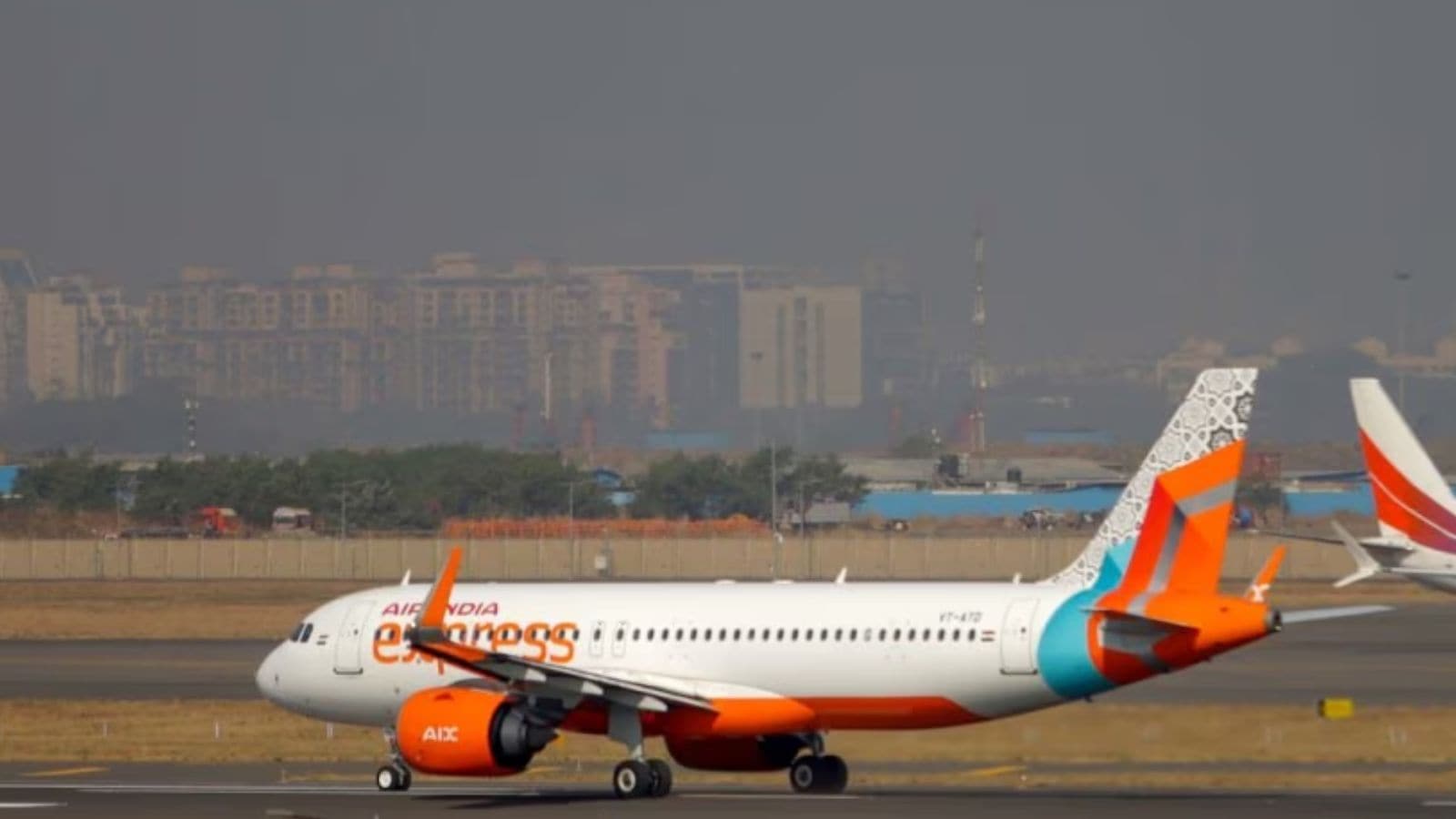
The Translation: System Logic and Synergy
While fuel costs fluctuate, the government utilized a public-private synergy model to prevent a price hike. By addressing the concerns of the Mini Mazda Goods Transport Association, the administration created a strategic buffer against inflation. This decision translates the raw data of fuel costs into a manageable operational framework that avoids the “ripple effect” of price increases in the supply chain. Furthermore, the All Pakistan Petroleum Pump Owners Association confirmed that fuel supplies remain stable, debunking rumors of potential shortages.
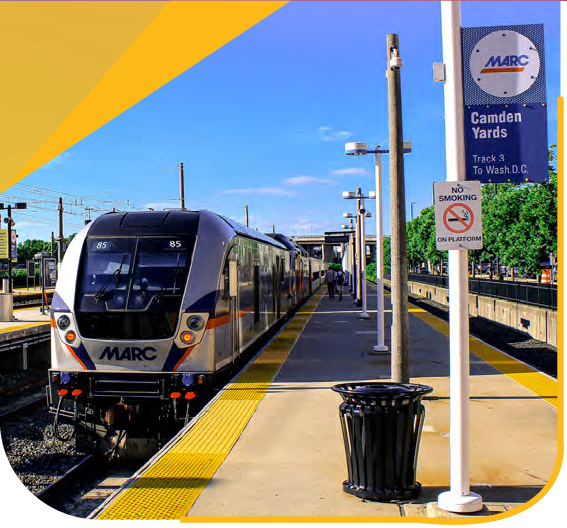
The Socio-Economic Impact: Daily Life Precision
For the average Pakistani citizen, the decision to hold Punjab transport fares at current levels acts as a primary economic stabilizer. Households can now forecast their monthly expenditures with greater precision. Students and low-income professionals who rely on the Speedo and Metro bus networks will see no disruption in their daily commutes. Strategically, this stability prevents the secondary inflation of grocery prices, which typically rises when transport costs escalate. This move preserves the purchasing power of millions in both urban and rural centers.
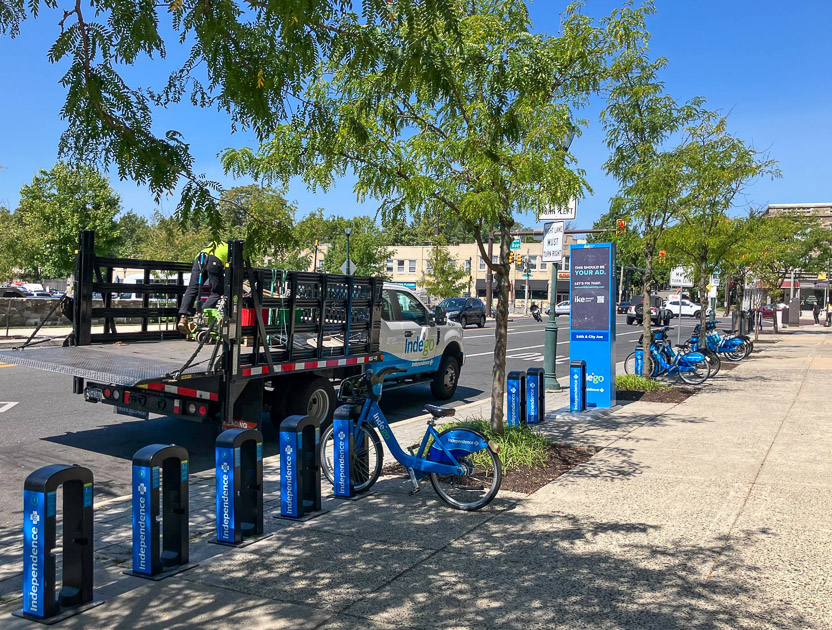
The Forward Path: Momentum Shift or Stabilization?
This development represents a Stabilization Move. While it prevents a downward economic spiral, it primarily maintains the status quo rather than introducing a new growth trajectory. However, the continued expansion of electric bus fleets suggests a long-term strategic pivot toward energy independence. To transition this into a “Momentum Shift,” the government must now focus on permanent infrastructure upgrades that decouple transport costs from global oil volatility. For now, the system remains calibrated for resilience.
- Fuel Supply: Confirmed continuous availability nationwide.
- Strike Status: No disruptions planned between May 1 and May 5.
- Public Transport: Free facilities on Metro and Speedo buses remain active.