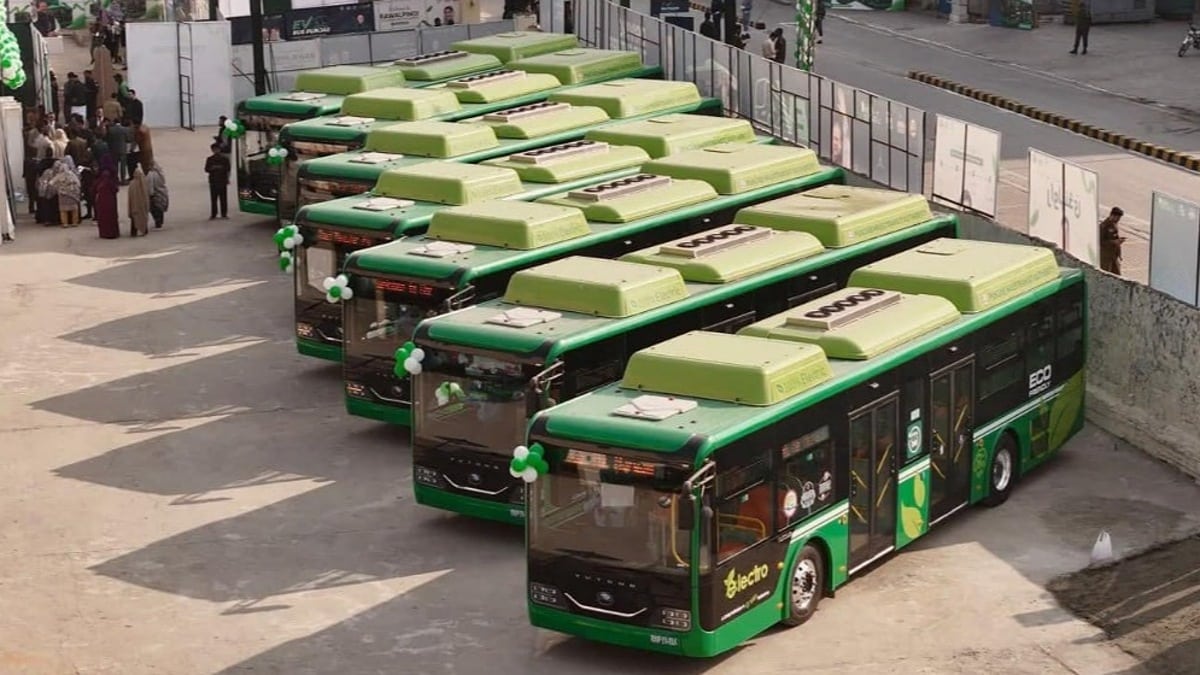
The integration of electric buses Punjab represents a calibrated effort to re-engineer the provincial transportation matrix. By transitioning from carbon-intensive internal combustion engines to sustainable electric drivetrains, the Punjab Mass Transit Authority (PMTA) is establishing a new baseline for urban mobility. This structural shift addresses both environmental degradation and operational inefficiencies within the current system, signaling a move toward a high-efficiency transport grid.
Technical Specifications for Electric Buses Punjab
The PMTA has invited qualified firms to participate in a rigorous pre-qualification process starting July 16. This strategic procurement phase ensures that the technical partners possess the precision required for such a large-scale transition. Consequently, applicants must meet specific eligibility benchmarks to qualify for the initiative. These requirements include:
- Proven experience in the supply and deployment of 12-meter fully electric buses.
- Demonstrated capacity to provide genuine spare parts and specialized repair services.
- Expertise in the installation and commissioning of high-capacity charging infrastructure.
- The ability to oversee driver training and comprehensive operational management.

The Translation: Decoding the Infrastructure Shift
This initiative is not merely a vehicle replacement program; it is a structural overhaul of the provincial energy footprint. By removing fuel-powered buses, the PMTA is decoupling public transit from fossil fuel volatility. Transitioning to an electric transport system allows the government to utilize centralized power sources, which are significantly more efficient than thousands of individual internal combustion engines. This logic ensures long-term energy security for the transport sector.
The Socio-Economic Impact
For the average Pakistani citizen, the deployment of electric buses Punjab translates into tangible improvements in urban living standards. Primarily, the reduction in tailpipe emissions will lead to cleaner air in densely populated corridors, directly impacting public health. Furthermore, the quieter operation of electric drivetrains reduces noise pollution, creating a more professional and comfortable environment for commuters. Economically, a stabilized, electricity-based transit system protects the public from sudden fare hikes often triggered by global oil price fluctuations.
The Forward Path: Architecting Progress
This development represents a definitive Momentum Shift for Pakistan’s infrastructure. It demonstrates a commitment to STEM-driven solutions for chronic urban challenges. While the initial phase focuses on procurement and charging logistics, the baseline success of this project will serve as a catalyst for nationwide adoption. Ultimately, this precision-led approach positions Punjab as a leader in sustainable development within the region.