
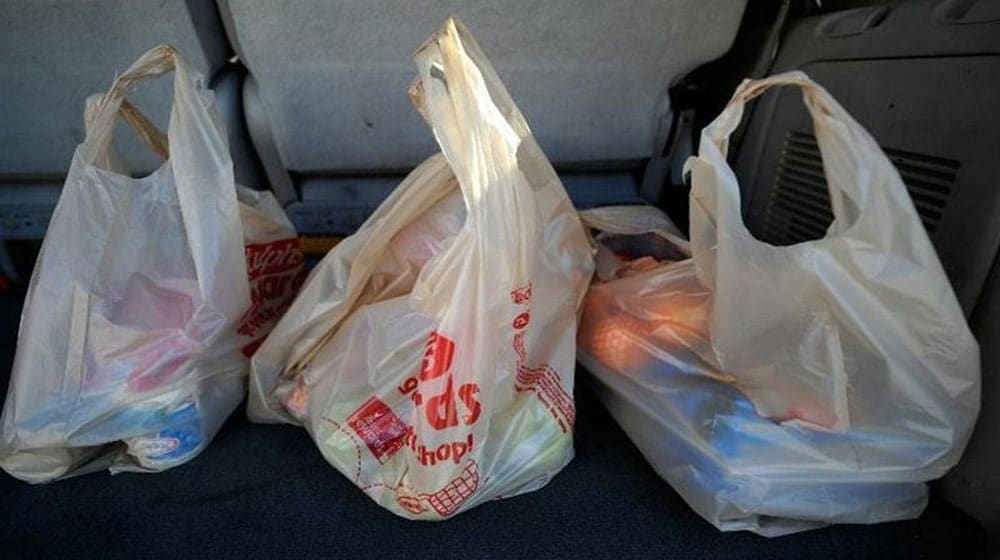
Punjab is currently calibrating its ecological baseline to ensure structural environmental integrity. Consequently, the Environmental Protection Agency (EPA) has accelerated the Punjab plastic ban, targeting all non-biodegradable bags below 75 microns. This initiative serves as a critical catalyst for the province’s transition toward a sustainable, zero-waste economic model ahead of World Environment Day 2026.
Calibrating the Punjab Plastic Ban Strategy
Data from the first quarter of 2026 indicates a high-precision shift in enforcement tactics. Specifically, the EPA conducted 3,612 strategic inspections, resulting in the confiscation of over 937,000kg of illicit plastic. While total inspections are lower than the previous year, the volume of seized material has doubled. This trend suggests that authorities are now utilizing intelligence-based operations to dismantle major supply chains rather than focusing on peripheral violators.
- Multan: Led the province in total seizures with 17,989kg confiscated.
- Lahore: Recorded the highest financial penalties, totaling Rs816,000.
- Rawalpindi: Secured the second-highest seizure volume at 10,848kg.
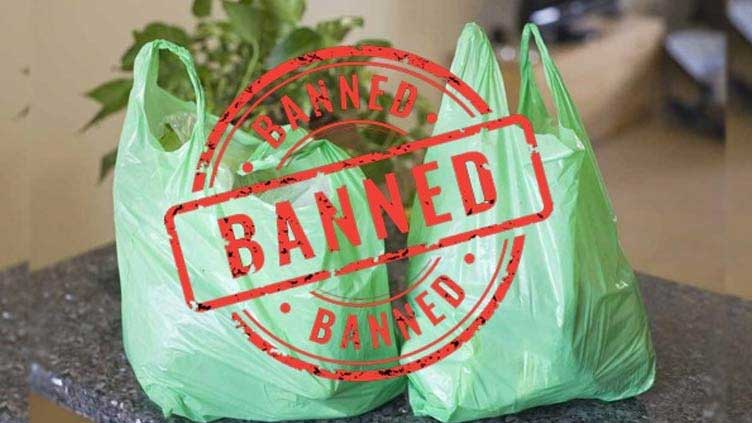
The Translation: Contextualizing the 75-Micron Limit
In technical terms, the 75-micron threshold is a calibrated metric designed to eliminate “single-use” thin films that frequently bypass waste management systems. These thin plastics are the primary cause of urban drainage failures and soil degradation. By enforcing this specific limit, the Punjab plastic ban effectively mandates a transition to thicker, reusable, or biodegradable alternatives. Furthermore, the establishment of “Plastic-Free Zones” in major commercial centers creates a controlled environment to test these market reforms before a province-wide rollout.
The Socio-Economic Impact: Daily Life and Market Shifts
This policy change directly impacts the daily logistics of Pakistani households and small-scale vendors. Initially, the removal of cheap, thin bags may increase the baseline cost for retailers. However, the long-term socio-economic benefit includes a significant reduction in urban flooding and public health expenditures related to plastic pollution. For the average citizen, this move signals a transition toward a “Bring Your Own Bag” culture, fostering a sense of civic responsibility and system efficiency.
The Forward Path: A Momentum Shift
The current trajectory of the Punjab plastic ban represents a definitive Momentum Shift. Unlike previous attempts at regulation, the 2026 strategy prioritizes the sealing of premises and the registration of FIRs against repeat offenders. This zero-tolerance approach, combined with the doubling of seizure volumes, indicates that the government is no longer just maintaining a status quo. Instead, they are actively re-engineering the provincial supply chain to prioritize environmental durability over short-term convenience. Ultimately, the success of this reform depends on the sustained precision of these intelligence-led crackdowns.








