
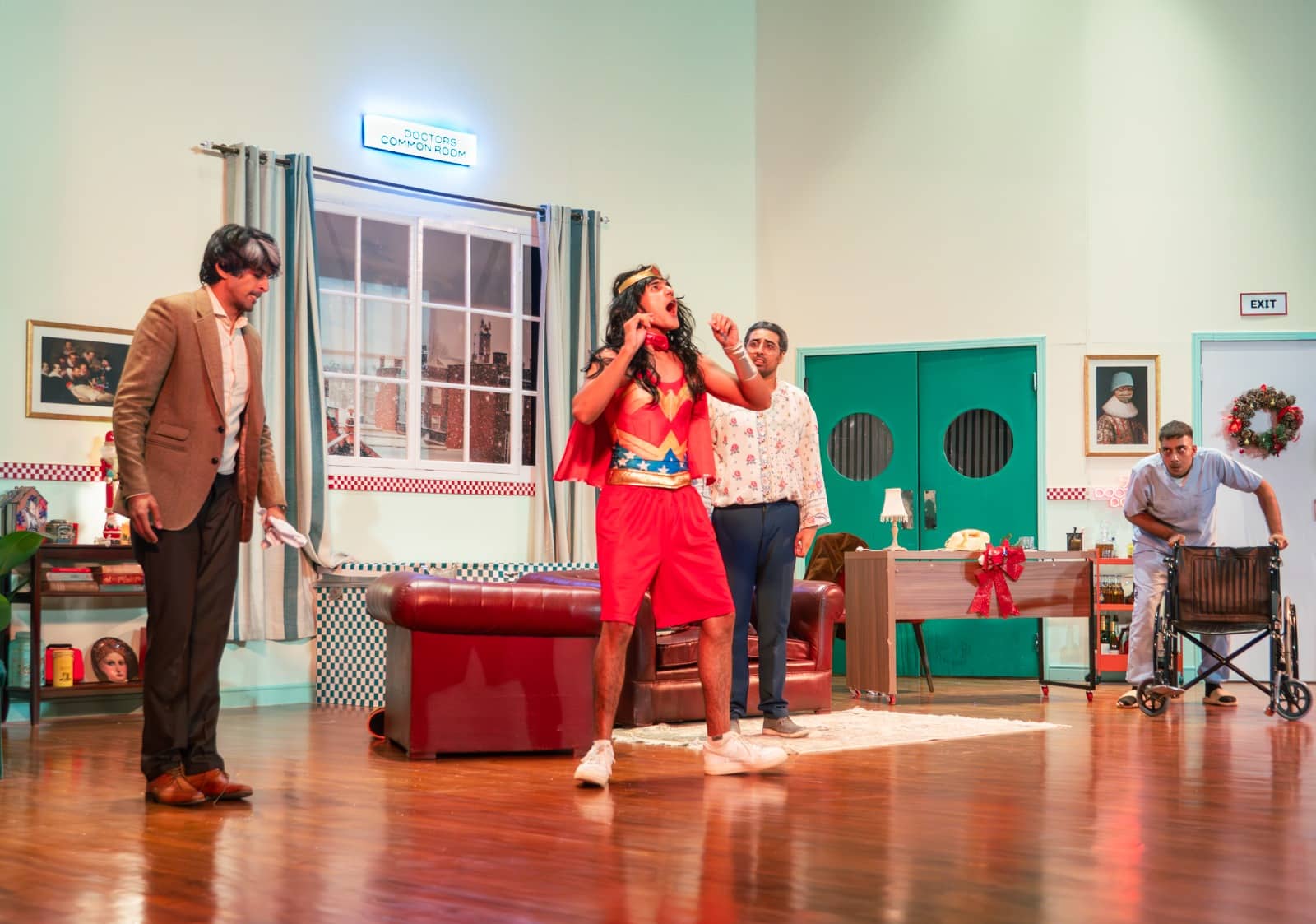
The Punjab Information and Culture Department has officially calibrated the Punjab theater hours, fixing performances between 8 PM and 11 PM across the province. This strategic move aims to establish a baseline for organizational discipline while ensuring a controlled cultural environment. By implementing these precise operating windows, the government seeks to stabilize the entertainment sector post-lockdown. Consequently, all theaters must now align their schedules with this provincial mandate.
The Translation: Systemic Precision in Culture
The government is moving away from variable scheduling toward a fixed-window model. Instead of allowing individual theaters to determine their own rhythm, the province has mandated a synchronized three-hour block. Furthermore, the Information and Culture Department reached this decision after reviewing cross-departmental reports to ensure maximum system efficiency. Punjab theater hours are no longer flexible; they are a calibrated standard designed to maintain public order.

Specifically, the authorities have formed special monitoring committees to enforce strict compliance. These committees act as the structural oversight mechanism, reviewing every venue’s observance of the rules. Consequently, theater owners who deviate from the 8 PM to 11 PM window face immediate regulatory scrutiny. This shift transforms theater operations from a fragmented market into a disciplined cultural industry.
Socio-Economic Impact: Impact on the Urban Frontier
How does this calibration affect the average citizen? For urban households, these regulated Punjab theater hours offer a predictable security window, making cultural outings safer and more manageable. Strategically, this shift allows students and professionals to engage with the arts without disrupting the baseline of the following workday. In contrast, late-night performances often led to logistical friction and security concerns.

Economically, the fixed window creates a catalyst for localized business clusters. Restaurants and transportation services can now optimize their operations around a known three-hour peak. Furthermore, by standardizing the Punjab theater hours, the government ensures that energy consumption and security deployments are utilized with precision, reducing the overall operational footprint on provincial resources.
The “Forward Path” Analysis

The Translation: This policy represents a move toward centralized cultural management. It replaces administrative ambiguity with a clear, time-bound framework that facilitates easier governance and public safety monitoring.
Socio-Economic Impact: By capping the hours, the government balances the “Night Economy” with the “Morning Productivity” of the province. It protects the schedule of the Pakistani workforce while maintaining a space for artistic expression.

The Forward Path: This development represents a Stabilization Move. While the constraints might seem rigid to creative purists, the structural benefits of monitoring committees and strict compliance measures provide a necessary foundation for sector growth. Consequently, this precision in governance will likely lead to a more professionalized theater industry in the long term.








