
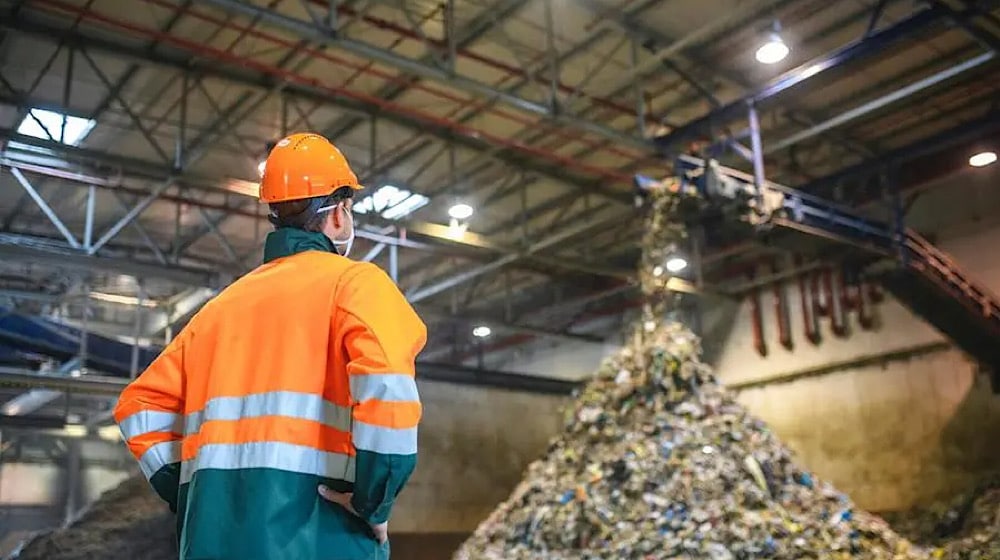
Punjab’s strategic Punjab waste-to-energy policy signals a structural shift from primitive landfilling to an industrial-grade circular economy. By integrating private-sector precision with public-sector assets, the province aims to neutralize urban waste while generating calibrated renewable energy outputs. This development transitions the “Suthra Punjab” initiative from a sanitation baseline to a high-yield energy recovery framework.
Modernizing the Waste Management Frontier
The provincial administration is finalizing a framework to lease public land for biogas and recycling projects. Consequently, private companies can now deploy advanced zero-waste technologies on state-leased sites. This strategic move eliminates the “collect and dump” cycle that has historically fueled landfill overflow and methane emissions. Instead, it establishes a “Waste to Value” pipeline under the leadership of Chief Minister Maryam Nawaz.

Furthermore, Local Government Minister Zeeshan Rafique confirmed that the Lakhodair landfill pilot is already functional. This bio-CNG facility represents a precision-engineered proof of concept, currently producing 85 kilograms of fuel daily. Officials intend to scale methane concentration targets rapidly, transforming a toxic liability into a commercially viable asset for the transport sector.
The Punjab Waste-to-Energy Policy: From Refuse to Revenue
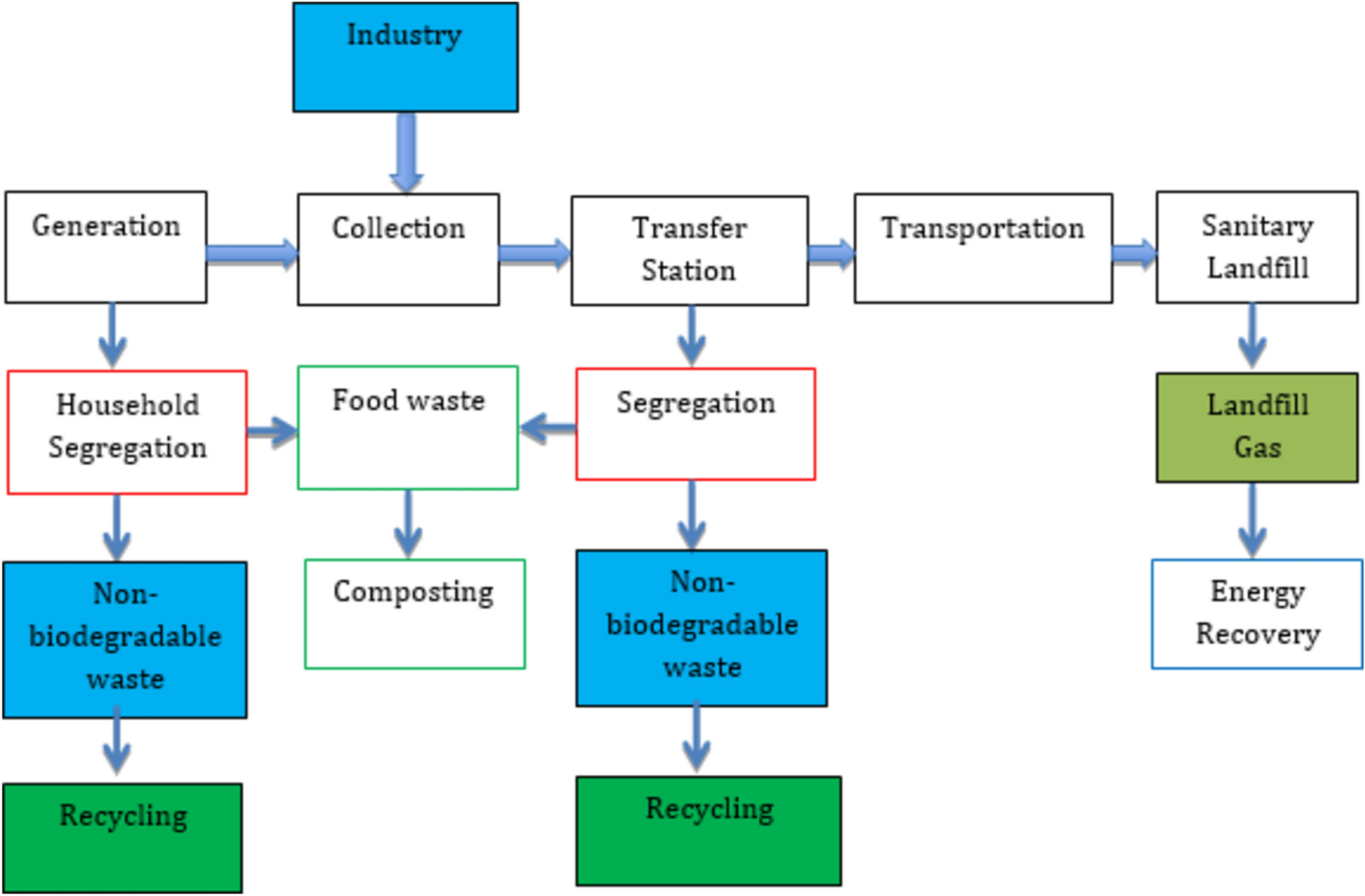
In simple terms, the Punjab waste-to-energy policy converts biological and municipal trash into electricity and fuel. Previously, waste management was a purely operational cost. However, by treating waste as a raw material, the system creates energy as a byproduct. This shift leverages modern engineering to maximize methane capture, turning urban pollution into a strategic energy reserve for the province.
The Socio-Economic Impact
This initiative directly improves the daily lives of Pakistani citizens through three key vectors:
- Public Health: Reducing landfill methane emissions significantly mitigates respiratory risks and urban smog.
- Energy Stability: Locally produced bio-CNG provides a decentralized fuel source for public transport and industry.
- Economic Growth: New land-lease incentives create technical job opportunities in the growing green-tech sector.
For the average household, this policy translates to cleaner neighborhoods and a more resilient local energy grid. By reducing the reliance on imported fuels, the government strengthens the baseline economic security of the entire province.

The Forward Path: A Momentum Shift
We classify this development as a significant Momentum Shift for Pakistan’s environmental architecture. This is not merely a maintenance move; it is a structural redesign of how our cities function. While the current bio-CNG outputs are modest, the regulatory framework for private investment creates a scalable catalyst for national progress. If executed with precision, the Punjab waste-to-energy policy could become a regional blueprint for sustainable urban efficiency.









