
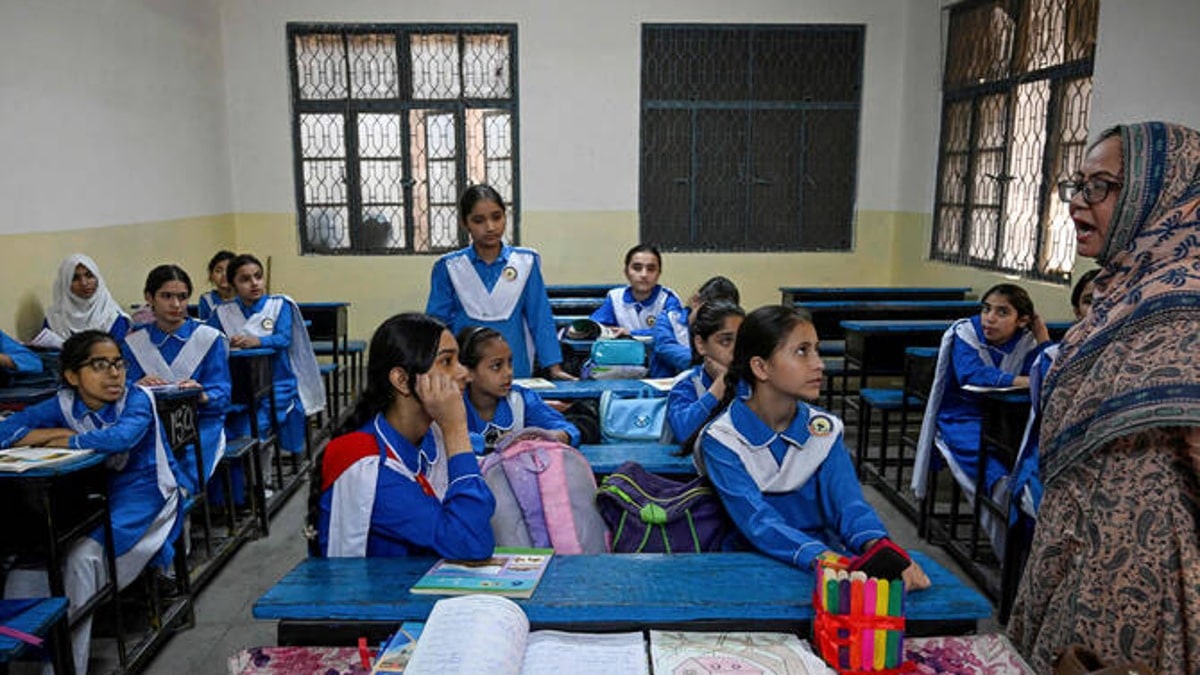
Educational equity serves as the primary baseline for structural national progress. Recently, the Punjab Assembly Standing Committee calibrated a decisive shift in the province’s academic framework by enforcing a mandatory free education quota. This directive requires every private school to provide free education to 10 percent of its student body within a strict 10-day window. Consequently, authorities aim to bridge the gap between socio-economic classes through immediate legislative action.
Enforcing the Free Education Quota: A Ten-Day Ultimatum
The committee recently reviewed persistent non-compliance issues regarding existing laws that mandate a fixed share of free seats for deserving students. During these deliberations, members identified systemic loopholes in how schools report their enrollment data. Specifically, the committee proposed that authorities bypass internal school records. Instead, the government should directly enroll deserving children into these institutions to ensure a transparent and verifiable process.

The committee chairman issued a stern warning to the private sector. Schools that fail to integrate the free education quota within the designated 10-day deadline will face immediate license cancellation. Furthermore, the Secretary for School Education confirmed that the department is currently centralizing data collection to monitor compliance across all districts in Punjab.
The Translation: Cutting Through the Bureaucracy
In technical terms, this move represents a shift from “passive regulation” to “active enforcement.” Previously, the free education quota existed on paper, but the lack of a centralized verification mechanism allowed for widespread evasion. By proposing direct enrollment by government officials, the state is removing the school’s ability to “gatekeep” these seats. This strategic oversight ensures that the benefit reaches the intended demographic without administrative interference.
The Socio-Economic Impact: Impacting the Pakistani Household
For the average Pakistani citizen, this policy acts as a significant catalyst for upward mobility. Families in urban and rural Punjab often struggle with the rising costs of private schooling, which offers higher-quality resources than most public alternatives. By securing 10% of these seats for deserving students, the government is effectively redistributing academic opportunity. This will likely reduce the financial strain on thousands of households and foster a more integrated social fabric within the classroom environment.
The Forward Path: An Expert Assessment
This development represents a significant Momentum Shift for Pakistan’s education sector. While previous attempts at regulation remained stagnant, the threat of license cancellation provides the necessary leverage for systemic compliance. For this to remain a permanent victory, the School Education Department must maintain a precision-driven database that tracks student retention and performance. If executed with discipline, this mandate could serve as a blueprint for nationwide educational reform.








