
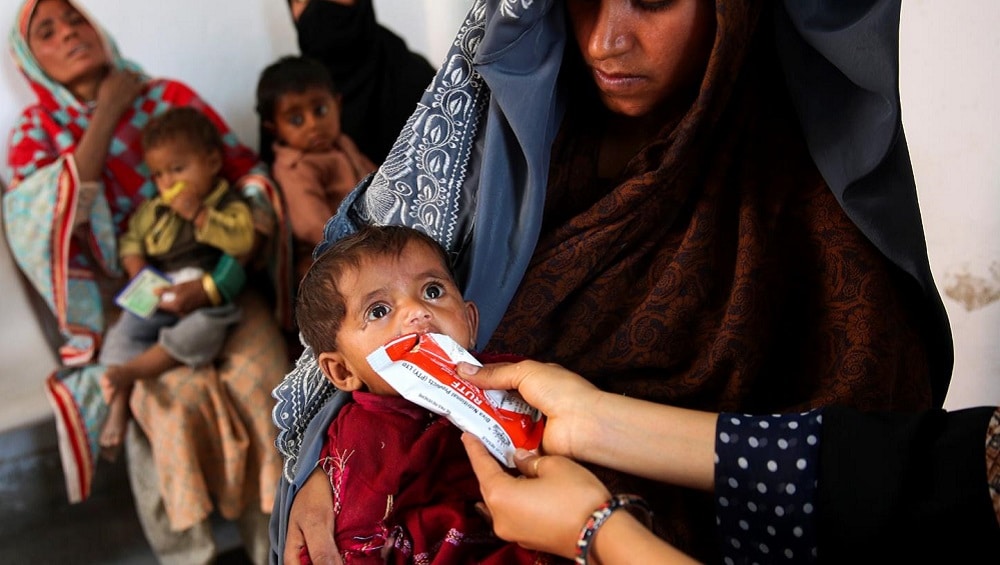
The structural integrity of a nation’s healthcare system depends entirely on the precision of its medical training baseline. In a calculated move to optimize public health outcomes, the University of Health Sciences (UHS), in collaboration with UNICEF, has officially integrated nutrition and child health interventions into the Punjab MBBS curriculum. This strategic realignment begins with a capacity-building phase targeting medical educators and pediatricians to ensure the next generation of doctors can identify and treat malnutrition with architectural accuracy.
Calibrating Medical Competency: The CMAM Framework
UHS recently inaugurated a three-day intensive workshop focusing on the Community-Based Management of Acute Malnutrition (CMAM). This initiative serves as the catalyst for a four-phase program scheduled to conclude by June 2026. Consequently, public health experts and healthcare trainers from across the province are now synchronizing their teaching methodologies with global standards. Furthermore, the specialized training focuses on early childhood development (ECD) and multiple micronutrient supplementation (MMS) to provide a holistic care model.
Data-Driven Necessity for Curricular Reform
The urgency of this update stems from a sobering baseline: UNICEF data indicates that one in three Pakistani children faces growth-related challenges. Moreover, global estimates suggest 45 million children under five suffer from acute malnutrition. UHS Vice Chancellor Prof. Ahsan Waheed Rathore emphasized that the Punjab MBBS curriculum must prioritize these sectors to mitigate the rising burden of preventable childhood diseases. Future medical professionals must possess the practical skills to intervene at the community level before malnutrition reaches critical stages.
The Translation: Technical Precision Explained
While “curriculum integration” sounds administrative, it represents a fundamental shift from reactive to proactive medicine. By embedding CMAM and Infant and Young Child Feeding (IYCF) protocols into the Punjab MBBS curriculum, UHS is transitioning from a hospital-centric model to a community-resilience model. This means medical students will no longer just study symptoms in textbooks; they will learn the logistical referral systems and stabilization care required to manage malnutrition in the field.
The Socio-Economic Impact: Beyond the Clinic
This development directly impacts the daily lives of Pakistani households by reducing the financial and emotional strain of chronic childhood illness. For the average family, a doctor trained in precision nutrition means earlier detection of deficiencies, leading to better cognitive development and future economic productivity for their children. Strategically, a healthier youth population reduces the long-term fiscal burden on the state’s healthcare infrastructure, allowing for more efficient resource allocation.
The Forward Path: Strategic Momentum
In our expert assessment, this move represents a definitive Momentum Shift for Pakistan’s healthcare sector. It moves beyond mere stabilization and toward a visionary systemic upgrade. By aligning undergraduate education with WHO and UNICEF recommendations, Punjab is setting a new national standard. This proactive calibration ensures that the medical workforce is not just reactive to crises but is architecturally designed to prevent them.









