
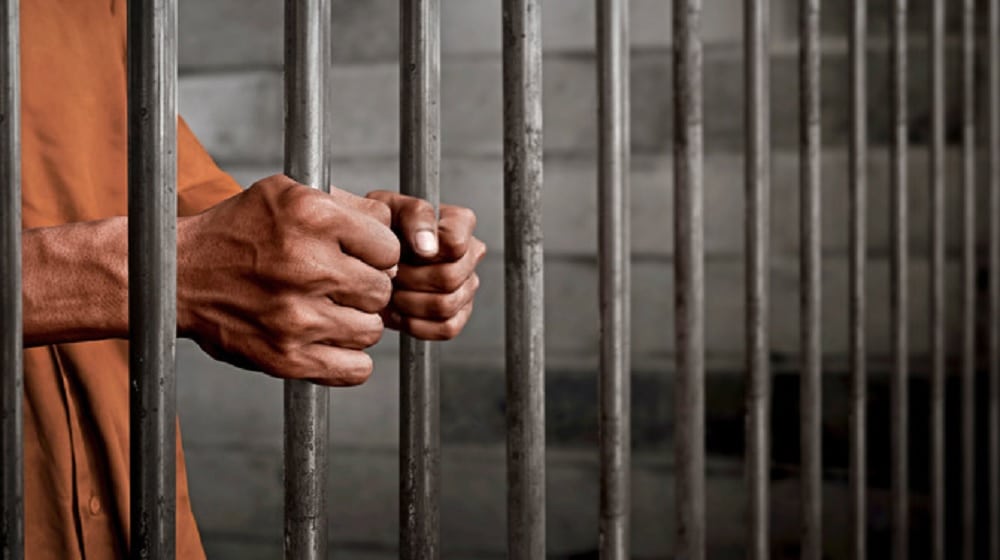
The Punjab Home Department has implemented a precision-calibrated upgrade to the provincial penal system by establishing Prison Welfare Stores across all nine central jails. This strategic initiative serves as a baseline for structural reform, providing inmates with regulated access to 74 essential items ranging from bakery products to hygiene supplies. By digitizing the procurement process, the government aims to eliminate price gouging and ensure logistical transparency within the correctional environment.
The Digital Integration of Prison Welfare Stores
The Home Department has engineered a centralized Point of Sale (POS) software system to monitor every transaction in real-time. Consequently, inmates must utilize a tablet-based system integrated with biometric verification and linked bank accounts to finalize purchases. This technical framework ensures a secure record of inmate details and pricing accuracy. Furthermore, the Punjab Agriculture, Food, and Drug Authority laboratory rigorously tests all food items to maintain strict quality standards before they reach the shelves.
Transparency and Oversight Mechanisms
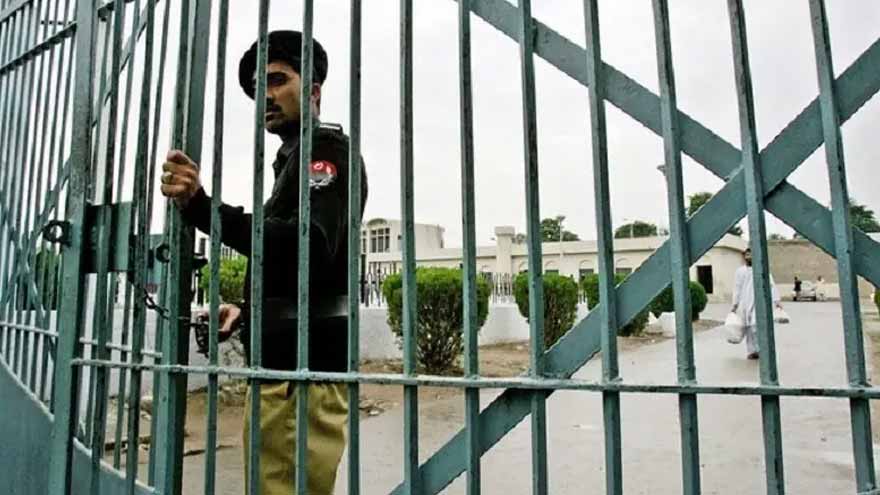
To maintain financial integrity, the Punjab Prisons Foundation manages the day-to-day operations of these Prison Welfare Stores under strict audit protocols. Specifically, an independent audit officer oversees all financial flows to prevent mismanagement. Additionally, comprehensive CCTV coverage monitors every store location, ensuring that no item is sold above market retail prices. Prisons Inspector General Mian Farooq Nazir confirmed that these facilities operate on a no-profit, no-loss basis to prioritize inmate welfare over revenue.
The Situation Room: Strategic Analysis
The Translation
This initiative represents a shift from an informal, often opaque “canteen” culture to a formal, digitized retail ecosystem. By integrating biometrics and POS software, the government is replacing manual ledgers with a data-driven system. This eliminates the “middle-man” exploitation often found in closed institutions and ensures that funds deposited by families reach the intended recipient without leakage.
The Socio-Economic Impact
For the average Pakistani household with an incarcerated family member, this system provides significant financial relief. It stabilizes the cost of living within the prison, ensuring that essential hygiene and nutrition are accessible at market rates. Moreover, the biometric link to bank accounts reduces the physical risks associated with cash handling within the prison population, fostering a more stable environment for rehabilitation.
The Forward Path
This development constitutes a Momentum Shift. While the immediate goal is logistical, the underlying shift toward digital accountability is a necessary precursor to broader judicial and rehabilitative reforms. If scaled correctly, this infrastructure could eventually support vocational training programs where inmates earn credits directly into their linked accounts, creating a catalyst for genuine post-release reintegration.








