
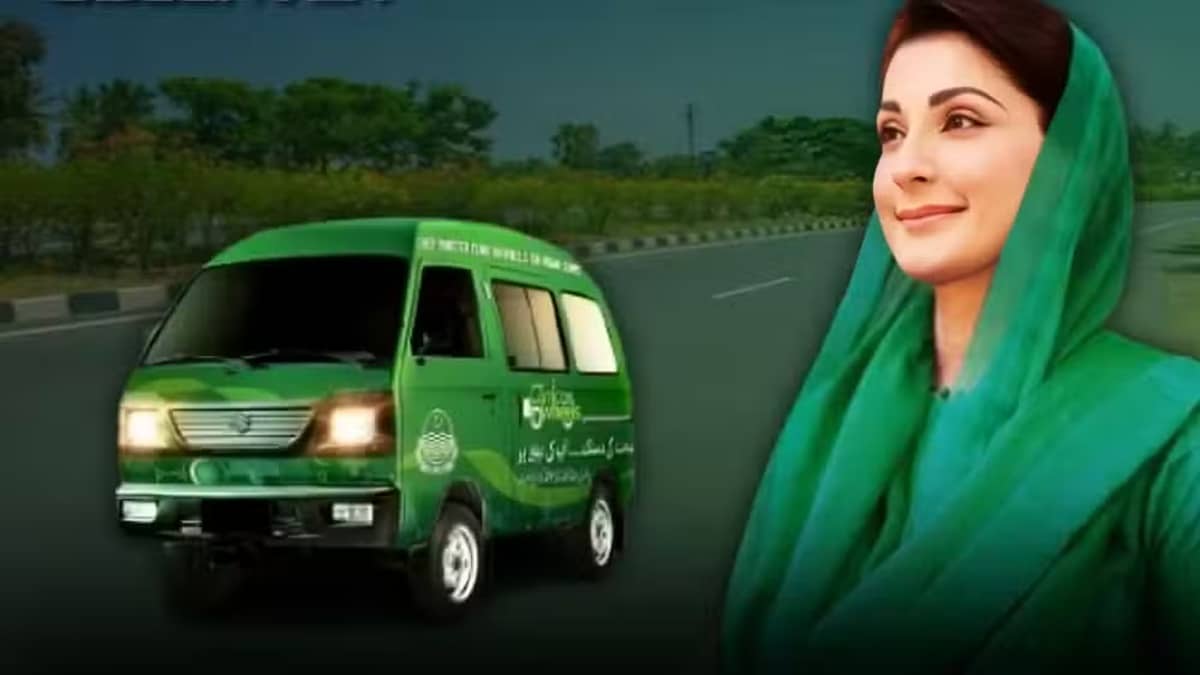
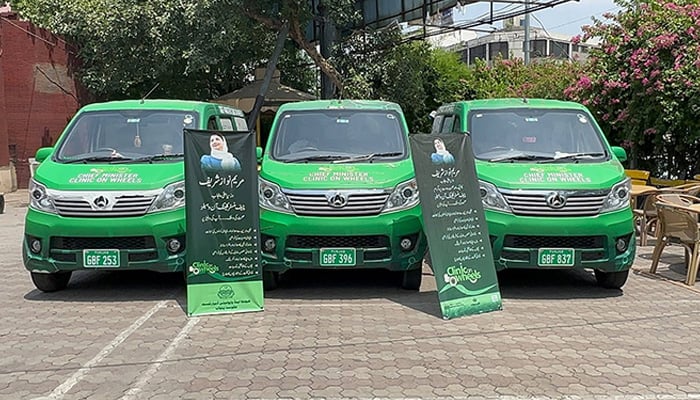
The Punjab government recently initiated a calibrated healthcare expansion by launching the Clinic on Wheels service specifically for the journalist community. This structural intervention, directed by Chief Minister Maryam Nawaz, integrates mobile diagnostics and medicine delivery to stabilize the health baseline of Pakistan’s media professionals. Consequently, the initiative ensures that those managing the nation’s information flow maintain optimal physical readiness through accessible, high-quality medical support.
The Translation: Decentralizing Media Healthcare
In “Next Gen” terms, this development represents the transition from static healthcare models to decentralized, mobile-first delivery systems. By deploying the Clinic on Wheels service, the government is essentially creating a portable medical infrastructure that meets journalists where they work. This eliminates the “efficiency gap” caused by long wait times and logistical hurdles in traditional hospitals. Furthermore, the inclusion of diagnostic services and free medication transforms a basic outreach program into a comprehensive health-maintenance system.
Strategic Rollout and Structural Upgrades
During the inauguration at the Lahore Press Club (LPC), Punjab Health Minister Khawaja Imran Nazir outlined the technical scope of the project. Key components include:
- Mobile Diagnostics: On-site basic testing and screenings.
- Insulin Home Delivery: A specialized logistics chain for registered journalists requiring chronic medication.
- Permanent Infrastructure: The establishment of two Maryam Nawaz Clinics within the Journalists’ Colony to provide a fixed baseline for advanced care.
The Health Department has pledged to upgrade existing dispensaries at the Press Club, ensuring they are equipped with calibrated medical tools and a consistent supply of medicines. This multi-layered approach targets both immediate acute needs and long-term wellness management.
The Socio-Economic Impact: Protecting the Frontline
How does this change the daily life of a Pakistani journalist? This program significantly reduces the “out-of-pocket” medical expenditure for households that often face high-stress environments. By securing the health of the breadwinner and their family, the Clinic on Wheels service provides a financial safety net. For the urban professional, this means less time lost to illness and more focus on their editorial duties. In the broader sense, it fosters a more resilient media sector that can operate without the constant pressure of rising healthcare costs.
The Forward Path: Momentum Shift or Stabilization?
Our analysis categorizes this development as a Momentum Shift in vocational support systems. While many government initiatives provide one-time relief, the combination of mobile units and permanent clinics in residential colonies suggests a structural commitment to the media’s well-being. To maintain this progress, the next phase must involve digitizing patient records within these clinics to allow for precision tracking of health trends within the community. This move sets a baseline for other professional sectors to demand similar decentralized health solutions.








