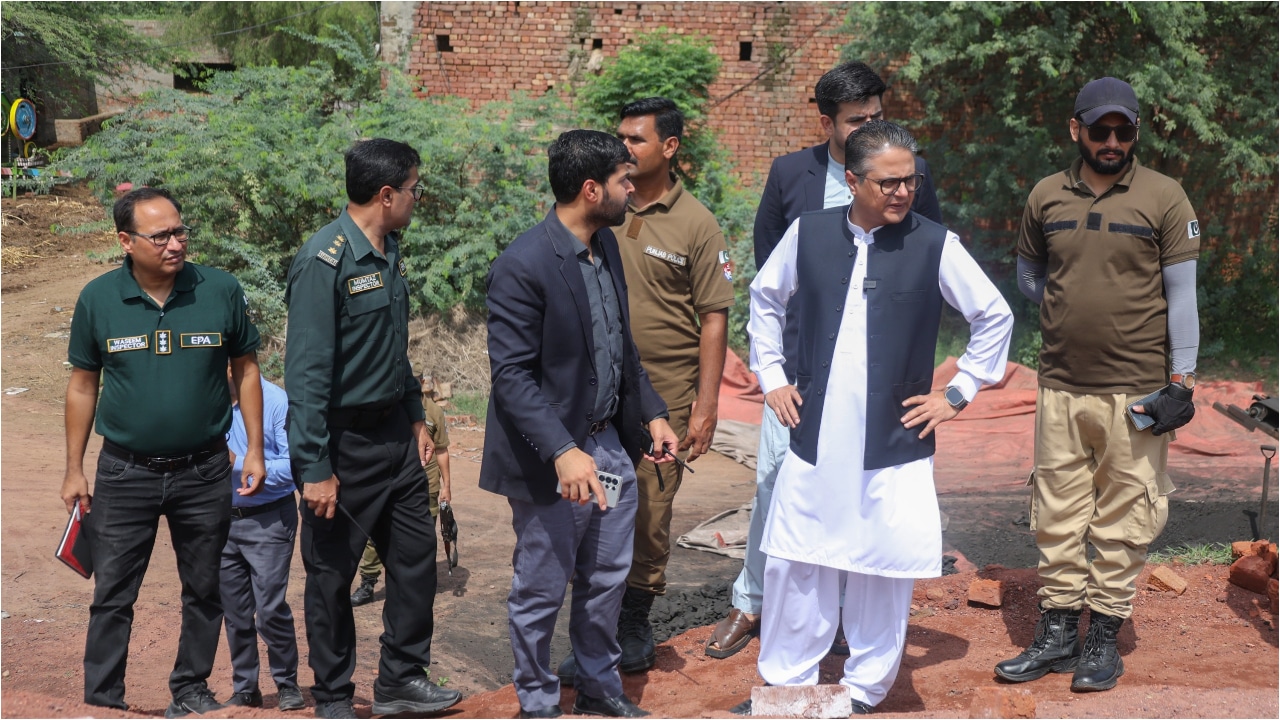
The Environment Protection Agency (EPA) Punjab has calibrated a precision-led Punjab anti-smog operation to neutralize atmospheric pollutants before the winter season begins. By deploying real-time data and aggressive field monitoring, the EPA targets structural sources like brick kilns and industrial centers to establish a cleaner baseline. This proactive strategy focuses on minimizing emissions through rigorous enforcement of environmental laws across the province.
Pre-emptive Environmental Defense: A Strategic Blueprint
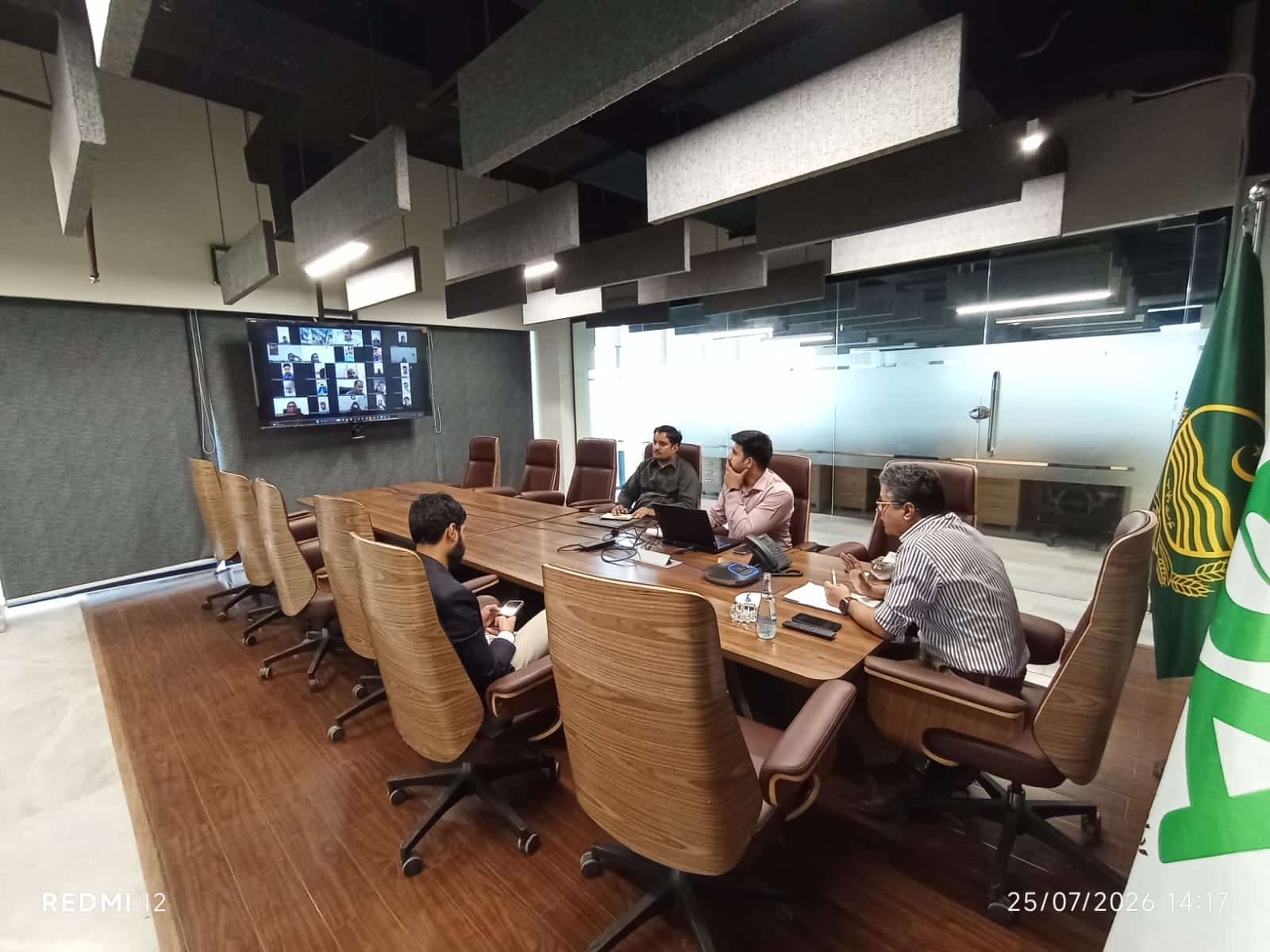
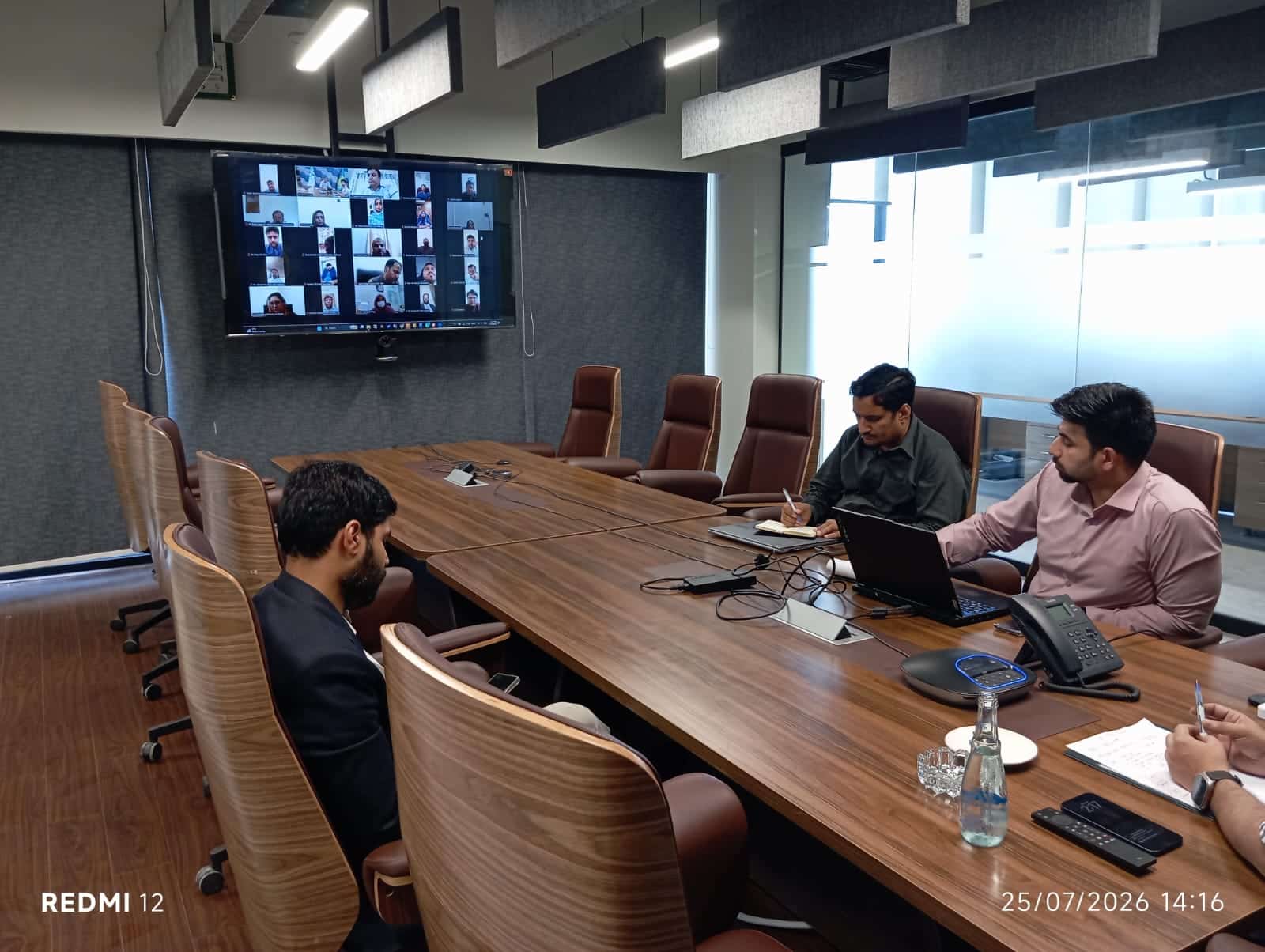
Director General EPA Punjab Syed Musa Raza recently chaired a comprehensive preparedness meeting to synchronize enforcement strategies across all regional directorates. Consequently, field officers received strict mandates to launch an aggressive campaign against plastic manufacturers and construction sites. The objective remains clear: eliminate environmental violations before they escalate into a seasonal crisis. Furthermore, the EPA maintains a zero-tolerance policy against any entity bypassing filtration protocols.
The Translation: Contextualizing Enforcement
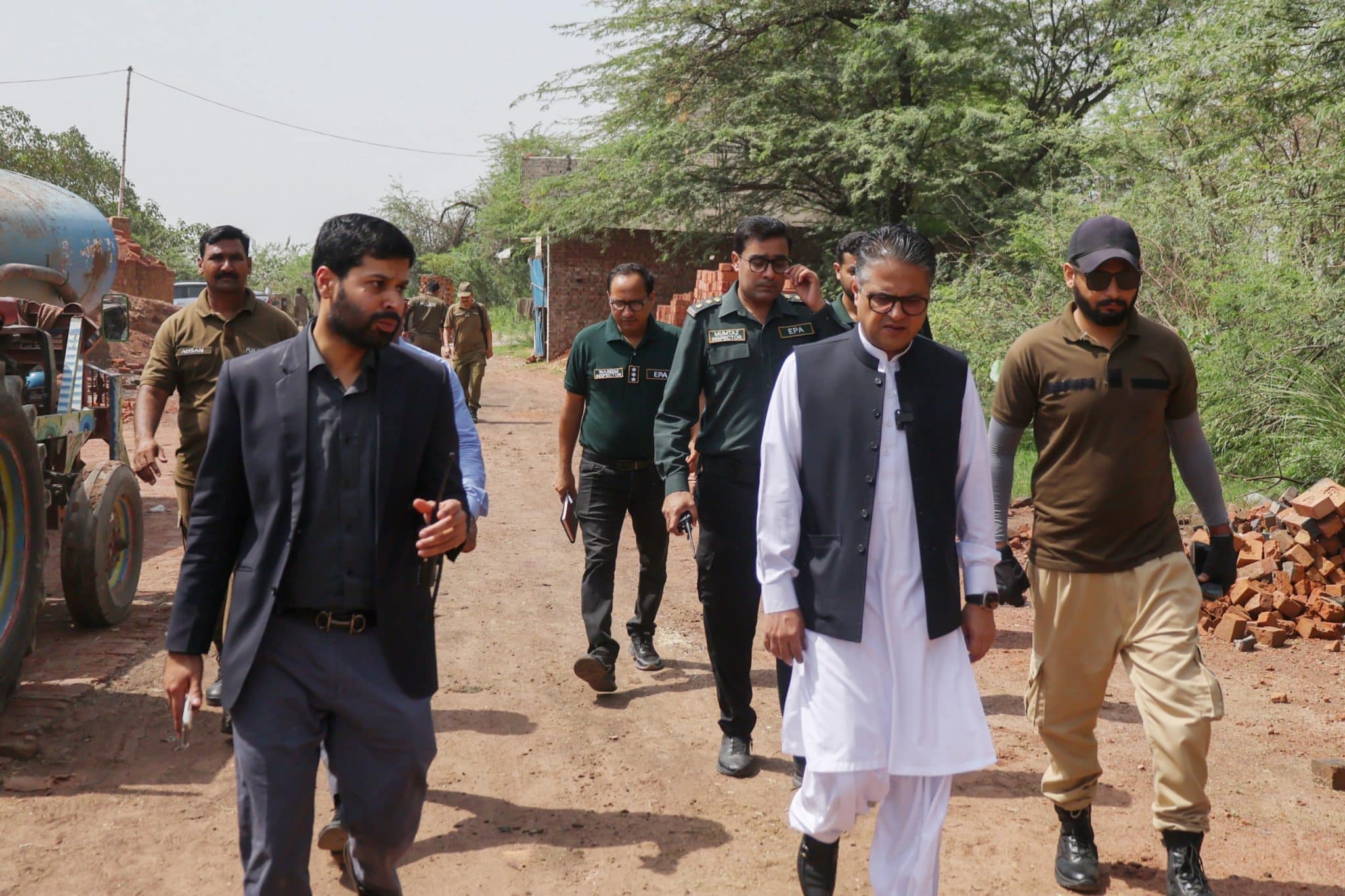
Instead of waiting for the seasonal air crisis, the government is executing a “pre-emptive strike.” This strategy involves shifting from reactive containment to proactive structural enforcement. For instance, the transition to zigzag technology in brick kilns is a calibrated move to ensure fuel efficiency and lower particulate emissions. By utilizing fog cannons and real-time AQI monitoring, the EPA transforms raw environmental data into actionable enforcement protocols. Therefore, compliance is no longer optional; it is a technical necessity for industrial survival.
Structural Enforcement: The Punjab Anti-Smog Operation Metrics
Data from the first half of 2026 reveals a massive scale of intervention. Specifically, EPA teams visited over 45,700 brick kilns, resulting in 777 demolitions and fines totaling Rs67.76 million. Simultaneously, the industrial sector faced significant scrutiny with 694 units sealed for non-compliance. These metrics demonstrate a systemic effort to dismantle the infrastructure of pollution. Additionally, heavy transport vehicles are now undergoing rigorous emissions testing at all urban entry points.
The Situation Room: Analyzing National Impact
The Socio-Economic Impact
This initiative directly influences the structural health of Punjab’s urban and rural populations. For the average citizen, strict enforcement means fewer respiratory hospitalizations and a reduction in lost labor hours due to illness. Students benefit from uninterrupted school cycles, avoiding the “smog holidays” that historically hinder educational progress. Furthermore, the mandatory installation of wastewater treatment and emission filters forces industries toward a sustainable equilibrium. This secures long-term resource safety for households and enhances the overall livability of our cities.
The Forward Path: An Expert Perspective
This development represents a Momentum Shift for Pakistan’s environmental governance. Historically, anti-smog efforts were seasonal and reactionary. However, the current reliance on real-time monitoring and a “zero-tolerance” baseline signals a transition toward a permanent, science-based framework. While enforcement serves as the immediate catalyst, the long-term success depends on the structural integration of green technologies across all manufacturing sectors. Continuous vigilance will be the key to maintaining these atmospheric gains.