Structural efficiency within our transport sector is no longer optional; it is a baseline requirement for national progress. Pakistan’s urban centers require a calibrated shift in atmospheric management. Consequently, the Punjab government has strategically introduced the Punjab vehicle scrapping law to catalyze a transition toward a cleaner, high-efficiency transport ecosystem. This move targets the systemic reduction of vehicle emissions to restore provincial air quality.
Implementing the Provincial Motor Vehicles Ordinance 2026
Governor Sardar Saleem Haider Khan recently promulgated the Provincial Motor Vehicles (Third Amendment) Ordinance 2026. Since the Punjab Assembly was not in session, this immediate action provides the legal framework necessary for mandatory vehicle disposal. Notably, the ordinance amends the 1965 statute by introducing a dedicated chapter for “end-of-life” vehicles. This structural update ensures that outdated machinery does not compromise our environmental standards.
Defining End-of-Life Vehicles
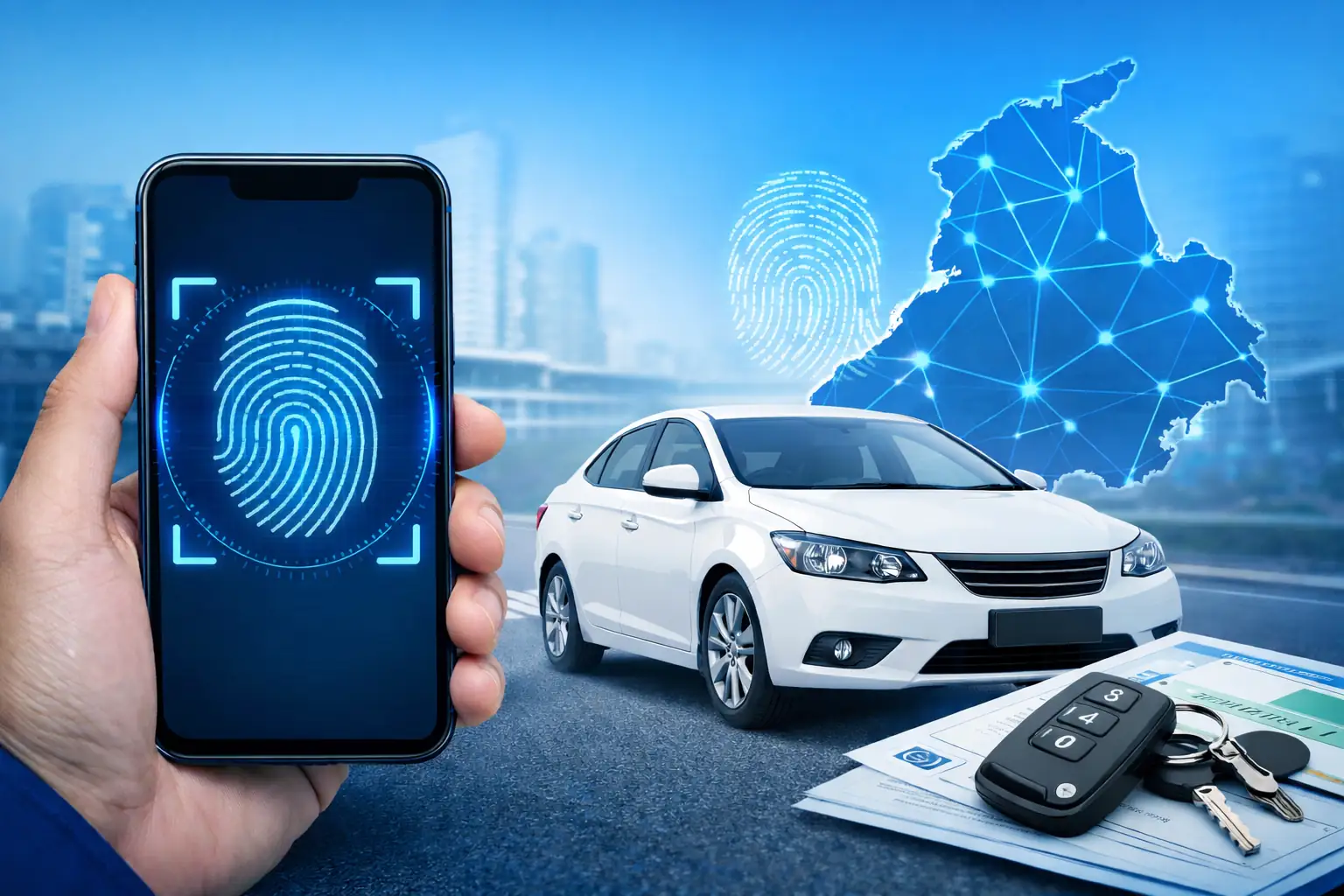
Precision is vital for the success of this regulatory framework. Under the new guidelines, a vehicle is classified as “end-of-life” if it meets specific criteria:
- Expired Registration: Vehicles with canceled or lapsed legal documentation.
- Failed Testing: Any machine failing mandatory fitness or emission tests that cannot be certified.
- Structural Damage: Vehicles severely compromised by fire, accidents, or natural disasters.
- Voluntary Scrapping: Owners may choose to decommission their assets at authorized facilities.
The Translation: Cutting Through the Jargon
The Punjab vehicle scrapping law essentially creates a formal “retirement” process for cars that are too old or damaged to run safely. Instead of letting polluting vehicles linger on the streets, the government is establishing a system to recycle them. Specifically, “scrapping” involves the depollution, crushing, and recovery of reusable parts. This systematic approach ensures that hazardous materials are handled by professionals rather than unregulated roadside vendors.
The Socio-Economic Impact: Life in Punjab
For the average citizen, this development signals a cleaner urban environment and a healthier respiratory baseline. In the short term, owners of older commercial and private vehicles must prepare for stricter compliance protocols. Furthermore, the growth of an authorized scrapping industry will create technical jobs in recycling and metal recovery. Ultimately, this law clears the path for the adoption of electric vehicles, making modern, eco-friendly transport the new standard for Pakistani families.
The Forward Path: Innovator’s Opinion
This development represents a Momentum Shift for Pakistan’s environmental policy. For decades, outdated vehicles have been a primary catalyst for the seasonal smog that paralyzes our cities. By creating a legal mandate for decommissioning, Punjab is moving from passive observation to active system management. While the upcoming “detailed rules” will determine the speed of implementation, the structural foundation is now set for a more sustainable, tech-driven future.