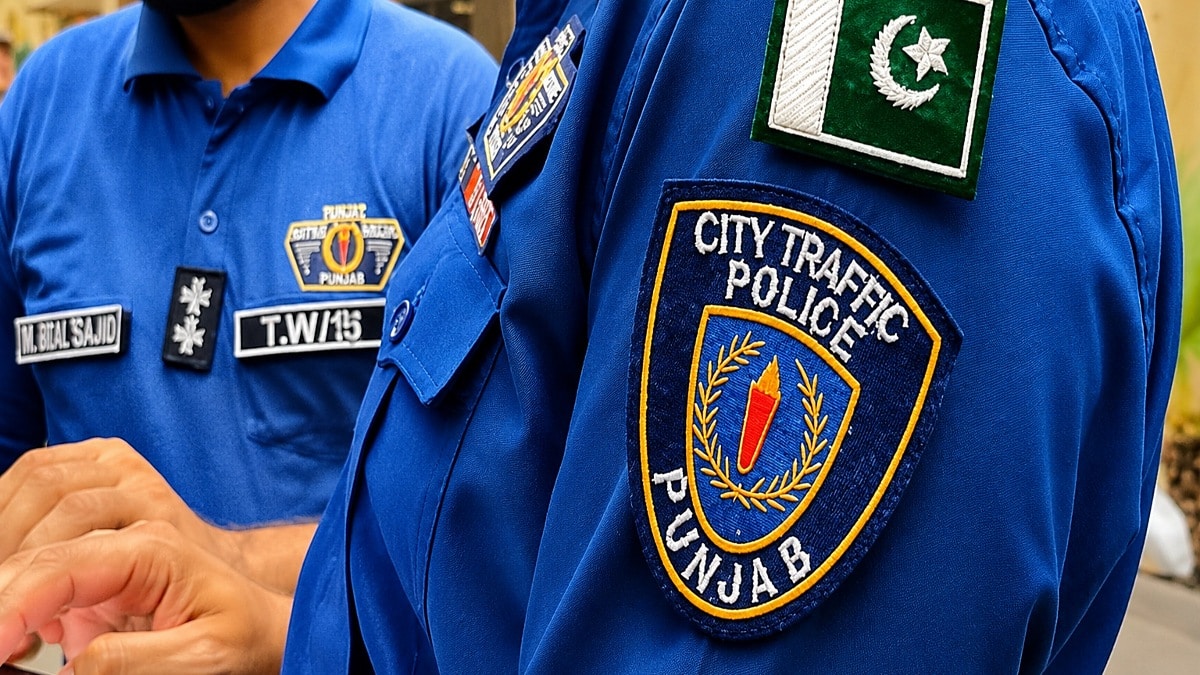
A Systemic Shift in Traffic Enforcement
The Punjab Traffic Police has officially introduced the Junior Traffic Warden post, marking a structural milestone in the province’s law enforcement hierarchy. By creating this new tier, the department is not merely adding a title; it is calibrating a more efficient career path for personnel across Lahore, Gujranwala, Rawalpindi, Multan, Faisalabad, and Sialkot. This precision-driven reform ensures that the force remains agile and capable of managing increasingly complex urban mobility challenges.
Previously, City Traffic Police (CTPs) in major metropolitan hubs lacked this specific organizational layer. Consequently, the first batch of 164 Senior Traffic Assistants (STAs) has been dispatched to the Police Training College, Sihala. These officers will undergo specialized training designed to enhance their tactical and administrative capabilities before assuming their new roles.
Integrating the Junior Traffic Warden into the Urban Grid
The promotion from Grade 9 to Grade 11 serves as a catalyst for professional excellence. Under the leadership of the Inspector General of Police, the department is emphasizing a merit-based system where seniority and training dictate advancement. Hammad Waqas Nazir, Head of Traffic Punjab, noted that these new posts will strengthen the organizational baseline, leading to superior traffic management across the province.
The Translation: Breaking the Bottleneck
In technical terms, the introduction of the Junior Traffic Warden rank addresses a structural gap in the existing hierarchy. Before this reform, traffic assistants faced a stagnation point in Grade 9. By creating a Grade 11 bridge, the department utilizes a stratified advancement model. This allows for better command distribution and ensures that experienced officers are strategically positioned to handle high-density traffic zones.
The Socio-Economic Impact: Improving the Daily Commute
For the average Pakistani citizen, this development translates into enhanced road safety and systemic efficiency. A professionally trained, tiered force is better equipped to manage the “last-mile” traffic congestion that plagues urban centers. Furthermore, providing a clear career trajectory for officers increases morale and reduces the likelihood of systemic inefficiencies, ultimately leading to safer streets for students, professionals, and families.
The Forward Path: A Momentum Shift
This development represents a Momentum Shift for Punjab’s infrastructure. By moving away from a flat organizational structure and toward a professionally tiered system, the Punjab Traffic Police is adopting a global baseline for enforcement. This transition from maintenance to optimization is a critical step toward achieving a precision-managed urban environment. We view this as a necessary structural calibration for a more disciplined Pakistan.