
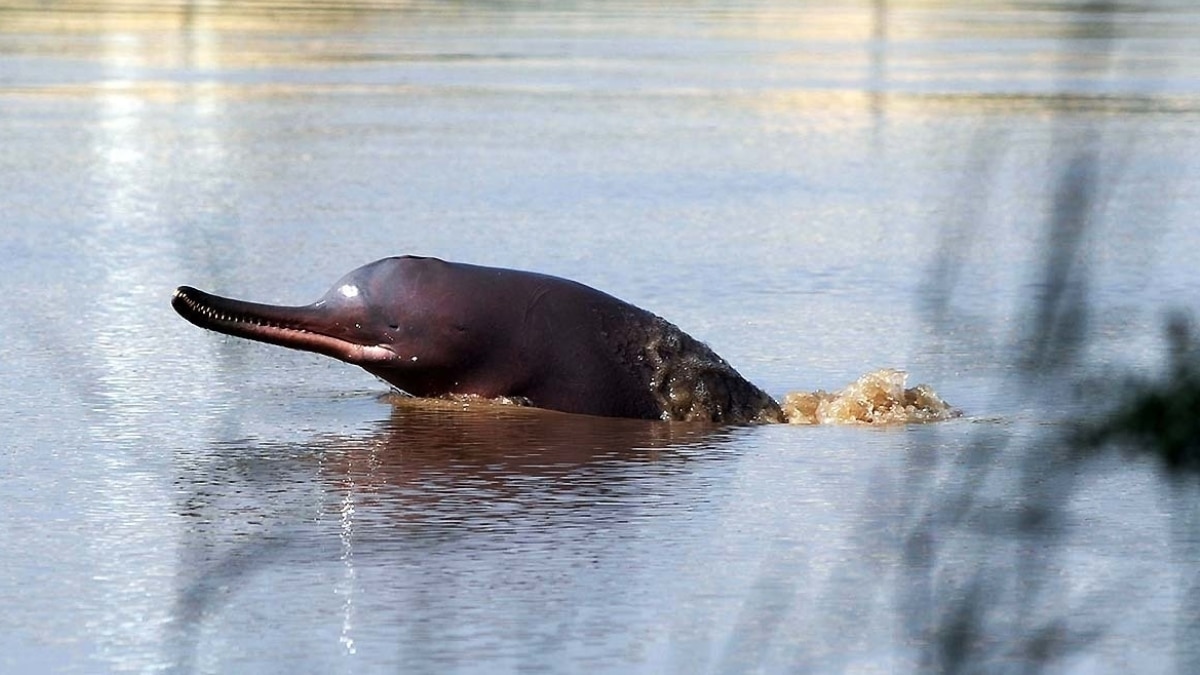
The Punjab government has calibrated a strategic response to biodiversity loss by establishing a new Indus dolphin sanctuary in the Panjnad region. This structural intervention aims to protect one of Pakistan’s most critical freshwater mammals through precise ecological zoning. By declaring this stretch a protected area, authorities are creating a baseline for long-term species recovery and habitat stabilization.
Precision Conservation: The Panjnad Initiative
The Punjab Wildlife and Parks Department launched this initiative as a catalyst for wider provincial conservation efforts. Consequently, the government issued a formal notification through the Secretary of Forests and Wildlife. This document officially designates the Indus River stretch from Jampur, Bait Lundi Pitafi, to Guddu Barrage as the Panjnad Indus River Dolphin Wildlife Sanctuary. Specifically, this legal framework remains in effect until further orders to ensure uninterrupted protection.
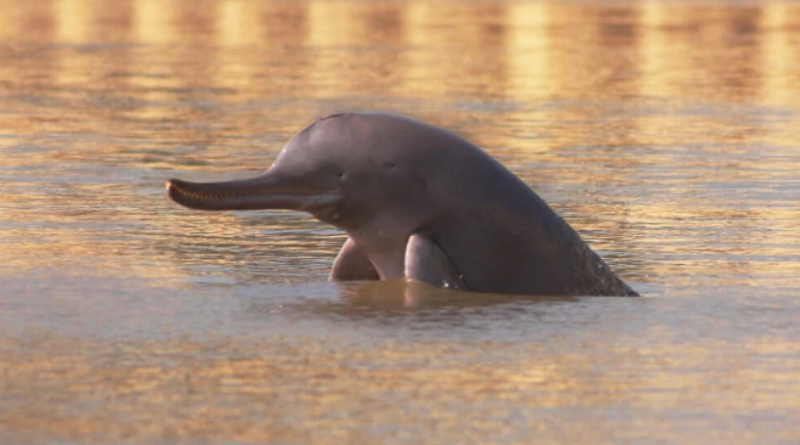
Characteristics of the Endangered Bhulan
The Indus dolphin, locally known as the Bhulan, serves as a unique indicator of river health. Furthermore, these mammals are functionally blind from birth, relying on sophisticated sonar to navigate the murky waters of the lower Indus. Because they exist only within Pakistan’s river system, their survival is inextricably linked to our national environmental policy. The new Indus dolphin sanctuary provides a calibrated environment where these rare creatures can thrive without industrial interference.
The Translation: Deciphering the Delta Protection
In technical terms, “establishing a sanctuary” means the government has restricted human activity and resource extraction within a specific geographic coordinate. By designating the Jampur-to-Guddu stretch, the state is effectively creating a “biological corridor.” This ensures that the Indus dolphin can migrate, hunt, and breed without the threat of entanglement in illegal fishing gear or habitat fragmentation caused by unregulated water usage. It is a shift from passive observation to active territorial management.
The Socio-Economic Impact: Nature’s Resource Management
How does this change the daily life of a Pakistani citizen? This initiative directly impacts the following groups:
- Local Communities: Improved river health leads to more sustainable water resources for agriculture and local consumption.
- Students and Researchers: The sanctuary serves as a live laboratory for STEM students focusing on marine biology and environmental engineering.
- Economic Stability: By preventing the collapse of the river ecosystem, the government avoids the massive costs associated with environmental remediation and loss of natural water purification services.
The Forward Path: A Momentum Shift for Biodiversity
In our expert view, the establishment of the Indus dolphin sanctuary represents a significant Momentum Shift. It moves beyond mere rhetoric into the realm of architectural environmentalism. While stabilization is the immediate goal, the long-term success will depend on strict enforcement of the sanctuary’s boundaries. This development signals that Pakistan is beginning to treat its biological assets with the same strategic precision as its industrial infrastructure.








