
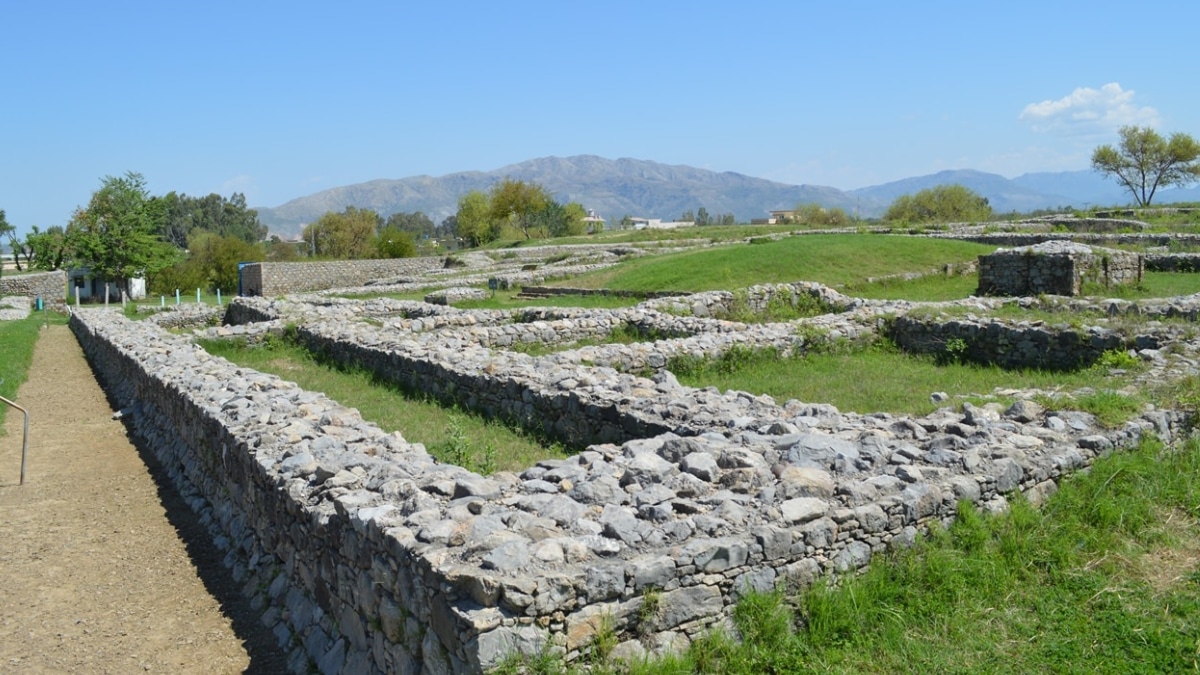
The structural preservation of Pakistan’s archaeological baseline is a vital catalyst for cultural sovereignty and systemic efficiency. Consequently, the Punjab government has launched the first comprehensive Taxila Conservation Plan to protect this UNESCO World Heritage Property. This initiative replaces decades of fragmented, reactive restoration with a calibrated, long-term management framework designed to safeguard one of South Asia’s most significant Gandhara landscapes.
Transitioning to Integrated Heritage Management
For years, the Taxila World Heritage Property suffered from natural deterioration and incompatible repair methods. Specifically, the previous use of reinforced concrete and cement adversely affected the historic masonry. The new strategy, developed by The Urban Unit and NESPAK, shifts the focus toward an integrated heritage management framework. This system prioritizes archaeological research, digital documentation, and environmental management over isolated, high-intervention projects.

Precision engineering played a central role at the Mohra Moradu monastic complex. Conservation teams successfully removed heavy concrete structures from the Main Votive Stupa. They replaced these damaging materials with lightweight, protective shelters that meet international standards. Furthermore, the team introduced a discreet earthen ramp to improve accessibility for persons with disabilities without compromising the site’s original aesthetic integrity.
The Situation Room: Analysis of the Taxila Conservation Plan
The Translation (Clear Context)
This plan moves beyond “fixing cracks” to a concept called “Integrated Management.” In STEM terms, this means treating the entire 20-kilometer landscape as a single ecosystem rather than individual ruins. By using Geographic Information System (GIS) mapping and 3D laser scanning, engineers can now predict structural failures before they occur. This data-driven baseline ensures that every intervention is precise, reversible, and scientifically sound.
The Socio-Economic Impact
The Taxila Conservation Plan directly impacts the economic trajectory of the region. Better site presentation and modern visitor facilities will likely increase high-value international tourism. For the average Pakistani citizen, this means the professionalization of local heritage sites and the creation of specialized jobs in digital documentation and structural engineering. Urban and rural communities near Taxila will benefit from improved infrastructure and a more robust local economy driven by sustainable heritage management.
The “Forward Path” (Opinion)
This development represents a significant Momentum Shift. By establishing a Conservation Management Plan (CMP) that includes disaster preparedness and environmental monitoring, Punjab is moving from “maintenance mode” to “strategic leadership.” The move to baseline all future work with Heritage Impact Assessments (HIAs) signifies a mature, disciplined approach to national assets. However, the long-term success depends entirely on the consistent funding and technical training of the institutional staff managing these digital systems.
Scientific Documentation and Future Monitoring
To ensure the authenticity of the ancient sites at Sirkap and Mohra Moradu, the program utilizes minimum-intervention techniques. The strategy involves several key technical components:
- 3D Laser Scanning: Captures high-precision digital replicas of monuments for structural monitoring.
- GIS Mapping: Delineates buffer zones to prevent illegal urban encroachment.
- Material Compatibility Studies: Ensures that all repair mortars match the original ancient stone and lime.
- Scientific Drainage: Restores historic sacred water wells and monastic drainage to prevent moisture damage.
Ultimately, these efforts strengthen the legal and spatial protection of the Gandhara region. The establishment of long-term policies for maintenance and coordination ensures that Taxila remains a beacon of Pakistan’s historical significance for future generations.








