

The Rawalpindi Ring Road serves as a calibrated structural intervention designed to decouple local urban traffic from regional transit corridors. Consequently, this 38-kilometre project acts as a precision catalyst for systemic efficiency between the twin cities. Rawalpindi Division Commissioner Engineer Amir Khattak recently confirmed that 85 percent of the overall construction is now complete, signaling a transition toward the final operational phase.
Strategic Policing and Infrastructure Integration
Commissioner Khattak has directed authorities to construct integrated water tanks along the corridor. These assets will facilitate public use and support the Parks and Horticulture Authority (PHA) in maintaining green belts. Furthermore, the administration is evaluating a proposal to introduce a dedicated policing system. This separate traffic police force would manage flow with specialized precision, ensuring the Rawalpindi Ring Road remains a high-velocity artery rather than a congested bottleneck.

Technical Milestones and Supply Chain Logistics
Data indicates that critical nodes have reached near-total completion. Specifically, the Railway Bridge and Maira Mohra Interchange stand at 99 percent completion, while the Nala Bridge has hit the 97 percent mark. However, rising water levels and disruptions in the supply of construction materials have caused minor delays. Khattak emphasized that coordinated efforts must resolve these logistics baseline issues immediately to maintain the project’s momentum.
The Situation Room: Analysis
The Translation (Clear Context)
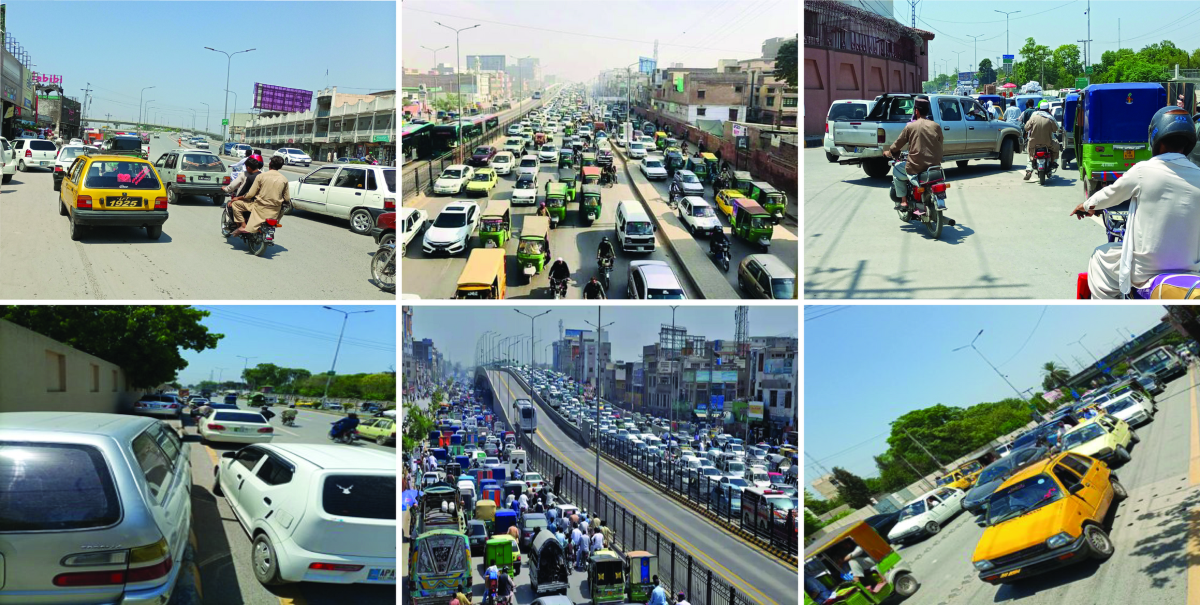
The proposal for a “dedicated traffic police” shifts the management model from reactive patrolling to proactive corridor management. By creating a specific force for the Rawalpindi Ring Road, the government is treating the highway as a specialized economic zone rather than a standard municipal street. This ensures that unique highway hazards are handled by officers trained specifically for high-speed traffic dynamics.
The Socio-Economic Impact
For the daily commuter and logistics professional, this project represents a massive reduction in “sunk time.” Residents in Rawalpindi and Islamabad will see a significant drop in heavy vehicle traffic within city centers. Consequently, this reduces air pollution and wear-and-tear on inner-city roads. Furthermore, the immediate clearance of land acquisition dues, as ordered by Khattak, ensures that local landowners receive their capital, injecting liquidity back into the local economy.
The Forward Path (Opinion)
This development represents a definitive Momentum Shift. The integration of supporting infrastructure, such as water tanks and dedicated policing, suggests that the administration is thinking beyond simple pavement. They are building a managed ecosystem. If the final 15 percent of work maintains this structural discipline, the Ring Road will become the baseline for future infrastructure projects in Pakistan.








