
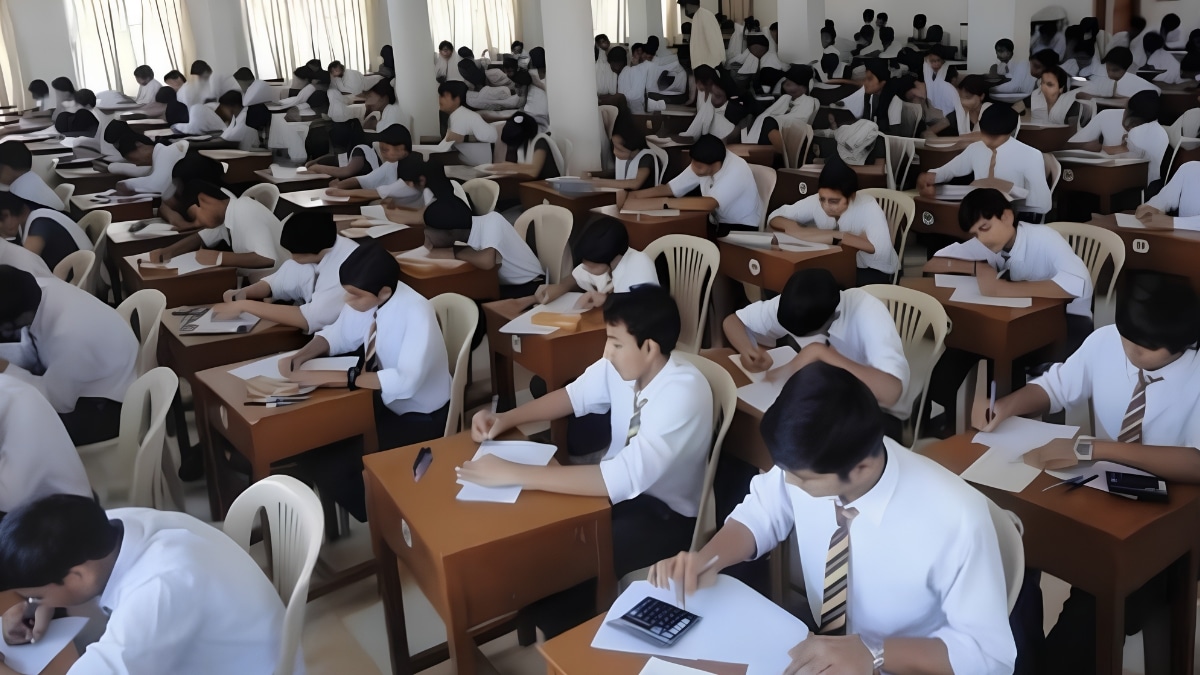
The Punjab boards of intermediate and secondary education have calibrated the tentative Punjab Board results schedule for the 2026 academic cycle. This data-driven timeline serves as a critical baseline for students transitioning into higher education ecosystems. Consequently, precision in these announcements allows for more efficient university application strategies across Pakistan.
Calibrated Timelines for HSSC and SSC Announcements
According to the structural schedule, Class 12 students will receive their HSSC-II results first. This early release facilitates the high-pressure university admission window. Furthermore, the boards will follow a staggered release pattern to maintain system stability. The tentative dates are as follows:
- HSSC-II (Class 12): September 23
- HSSC-I (Class 11): October 22
- SSC-I (Class 10): August 6
- SSC-II (Class 9): September 2
Additionally, the Federal Board of Intermediate and Secondary Education (FBISE) aims for a high-velocity turnaround. They expect to announce SSC-I and SSC-II results for Class 9 and 10 students by July 15, providing a head start for federal students.
The Translation: Clarifying the Academic Logic
While these dates remain tentative, they represent a strategic roadmap for the provincial education infrastructure. The gap between Class 12 and Class 11 results is intentional. It ensures that the administrative load is managed while prioritizing students who require immediate transcripts for undergraduate enrollment. Students should verify these dates via official board portals before finalizing travel or relocation plans.
The Socio-Economic Impact: University Readiness
The timing of the Punjab Board results directly impacts the economic mobility of Pakistani households. For urban and rural students alike, these dates dictate the Punjab intermediate result schedule 2026 and the subsequent start of professional degrees. Delayed results often lead to missed admission deadlines in international or competitive local universities. Therefore, a predictable schedule acts as a catalyst for educational efficiency and reduces the psychological burden on graduating cohorts.
The Forward Path: A Stabilization Move
From an architectural perspective, this announcement represents a Stabilization Move. While it does not revolutionize the current examination system, it provides the necessary predictability required for a functional academic year. We view this as a maintenance of system integrity, ensuring that the transition from secondary to tertiary education remains seamless. Moving forward, the integration of digital-first verification systems could further accelerate these timelines.
Looking for global opportunities? Explore scholarships from around the world via specialized educational platforms.








