
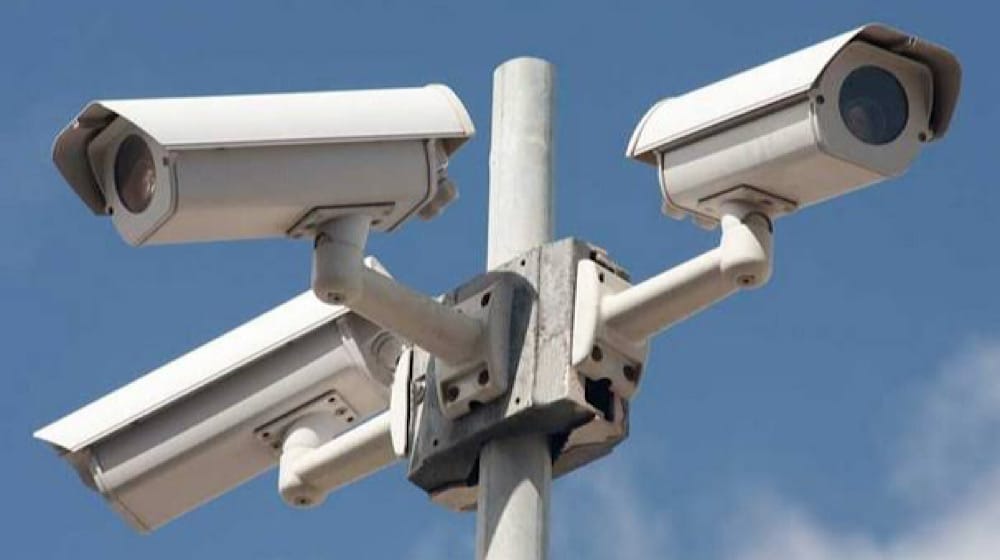
The strategic implementation of the Katcha Safe City Project in Punjab marks a pivotal advancement in regional security infrastructure. With Chief Minister Maryam Nawaz’s formal approval, this Rs. 676 million initiative integrates advanced surveillance technology to overcome the unique geographical and logistical challenges of the riverine Katcha areas. This project signifies a calibrated approach to safeguarding citizens and optimizing law enforcement capabilities in previously vulnerable regions.
Understanding the Katcha Security Imperative
The term “Safe City Project” refers to an integrated urban surveillance and response system, traditionally seen in major metropolitan areas like Lahore. For the Katcha region, this concept translates into deploying advanced technological solutions tailored to its unique terrain. Specifically, the project targets challenges presented by river islands, dense forests, and extensive sugarcane fields that have historically provided cover for illicit activities. Furthermore, the persistent lack of mobile network coverage has severely hampered traditional security operations.
This initiative leverages modern technology to establish a robust baseline of situational awareness. It aims to create an environment where geographic vulnerabilities no longer provide sanctuary for criminal elements, thereby fostering greater stability for local communities.
Precision Surveillance: Drones and Integrated Systems

The operational framework for the Katcha Safe City Project is structurally designed for comprehensive coverage. Key technological deployments include:
- Thermal and Taser-Equipped Drones: These units will conduct 24-hour aerial surveillance, offering crucial visibility during both day and night operations. Thermal capabilities are particularly vital for effective monitoring in low-light conditions.
- Advanced Vehicle Tracking Systems: Integration of these systems will enhance response capabilities and facilitate rapid identification of suspicious movements within the region.
- Integrated Control Room: A centralized command center will process real-time data, ensuring synchronized security operations and rapid deployment of resources.
- Solar-Powered Surveillance Sites: To address infrastructure limitations, solar-powered units will extend surveillance reach into remote locations, ensuring uninterrupted monitoring independent of grid availability.
Consequently, these technological assets collectively establish a resilient security infrastructure, mitigating the risks posed by environmental factors and network deficiencies.
Catalyst for Community Stability and Prosperity

How does this strategic shift impact the daily life of a Pakistani citizen, particularly in the Katcha region? This project is a direct intervention to enhance personal safety and socio-economic stability. For families, reduced criminality means a safer environment for children and improved prospects for local businesses, which often suffer due to insecurity. Students will benefit from increased peace of mind, allowing greater focus on education.
Furthermore, professionals engaged in agriculture or local commerce will experience a more secure operational landscape. The consistent presence of surveillance and rapid response capabilities is anticipated to deter criminal elements, thereby fostering an environment conducive to sustained development and everyday tranquility for both urban and rural households within the project’s scope.
Structural Shift: Momentum Towards Enhanced Security
This development undeniably represents a Momentum Shift for regional security in Pakistan. It moves beyond traditional policing models by adopting a technology-first approach to complex geographical challenges. The investment in advanced drone technology, vehicle tracking, and integrated control systems indicates a strategic commitment to proactive security. It positions Punjab at the forefront of leveraging digital solutions for public safety, establishing a new baseline for operational efficiency in challenging terrains. This project is a structural upgrade, signaling a long-term commitment to citizen protection and systemic resilience.








