
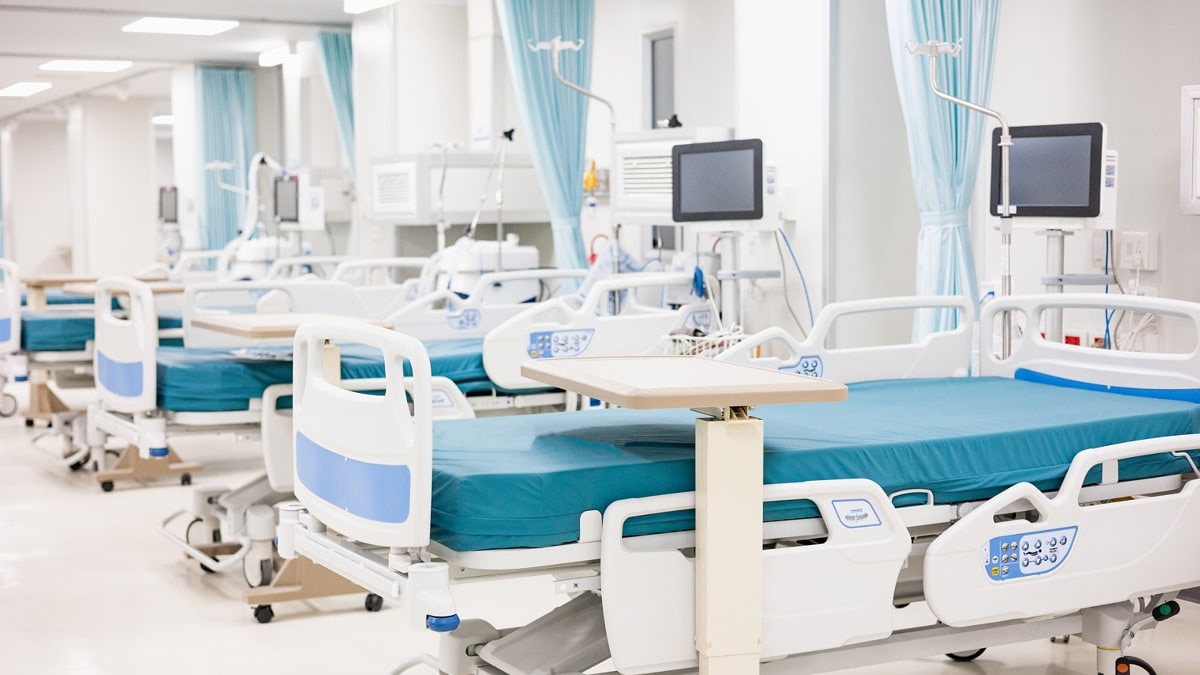
Rawalpindi’s healthcare landscape is undergoing a structural recalibration as the Punjab government officially greenlights a state-of-the-art cancer hospital Rawalpindi. This strategic facility is modeled after the high-precision Nawaz Sharif Cancer Hospital in Lahore. Senior Punjab Minister Marriyum Aurangzeb confirmed the project during her assessment of regional development benchmarks. Consequently, this move signals a broader shift toward decentralized specialized medicine across the province.
Architecting the Nawaz Sharif Medical District Model
The government is currently transforming Lahore into the “Nawaz Sharif Medical District,” a precision-calibrated hub featuring 11 modern hospitals. Rawalpindi’s new facility will mirror this high baseline of care. Furthermore, the administration intends to integrate this new cancer hospital Rawalpindi with existing specialized assets. Specifically, it will complement the Rawalpindi Institute of Cardiology and the Kidney Hospital to form a comprehensive medical corridor.
Urban Efficiency and Infrastructure Synchronization
Beyond healthcare, the provincial strategy includes significant urban mobility upgrades. The minister highlighted the Katchery Chowk underpass and the Rawalpindi Ring Road as critical logistics catalysts. Additionally, the government has authorized a new parking plaza for Raja Bazaar under the 2027 Annual Development Program. These projects aim to mitigate the systemic traffic congestion that frequently hampers emergency medical access in the city center.
The “Situation Room” Analysis
The Translation (Clear Context)
The “Nawaz Sharif Medical District” model represents a move away from fragmented clinics toward a clustered “Medical Hub” ecosystem. By building a cancer hospital Rawalpindi with high-density diagnostic capabilities, the government is centralizing specialized equipment. This approach reduces the operational overhead of maintaining dispersed, smaller units while increasing the precision of oncology treatments through shared expertise.
The Socio-Economic Impact
For the average citizen, this development serves as a catalyst for economic relief. Currently, many households must bear the high logistical and emotional costs of traveling to Lahore or Karachi for advanced oncology care. The presence of a local facility provides a safety net for students and professionals. Furthermore, the introduction of electric buses and better parking infrastructure directly improves the daily commute for urban workers, increasing overall system efficiency.
The “Forward Path” (Opinion)
This development represents a Momentum Shift. While the healthcare expansion is vital, the simultaneous focus on traffic logistics—like the Raja Bazaar parking plaza—shows a strategic understanding of urban functionality. For a healthcare system to be effective, the surrounding infrastructure must support rapid access. This integrated approach to urban planning is a necessary baseline for a modernizing Pakistan.








