The Punjab government has introduced strategic motorcycle relief measures by waiving transfer fees for vehicles up to 150cc. This calibrated move aims to offset the logistical burden on citizens following the federal administration’s sharp upward adjustment of petroleum levies. Consequently, owners of small-engine motorcycles will no longer face administrative costs when transferring ownership, providing a baseline of financial ease during record-high inflation.
Structural Impact of Motorcycle Relief Measures
The announcement follows a significant surge in fuel costs, with petrol prices reaching Rs 414.78 per liter and high-speed diesel (HSD) hitting Rs 414.58 per liter. Furthermore, this adjustment marks the fifth consecutive price hike linked to international oil market volatility and regional tensions. Strategically, the Punjab administration is focusing on the 150cc segment to support the most vulnerable commuters and gig-economy workers.
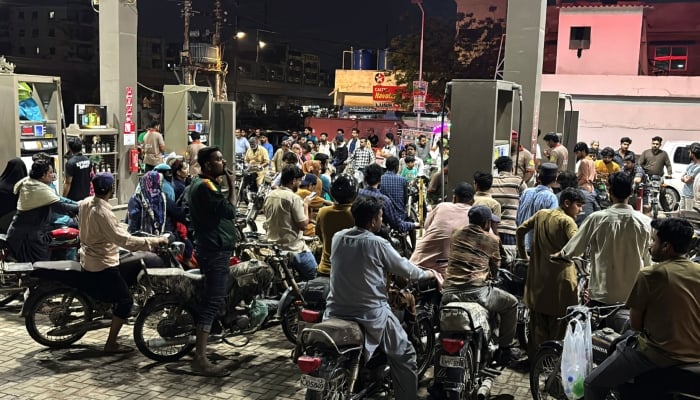
Economists observe that sustained fuel price increases typically accelerate the cost of living across all sectors. Specifically, transport and industrial sectors face immediate pressure, which eventually trickles down to food prices. By implementing these motorcycle relief measures, the provincial government attempts to decouple administrative costs from the rising operational expenses of daily travel.
The Translation: Systemic Logic
The government is pivoting from traditional direct subsidies toward structural cost reductions. By eliminating transfer fees, the administration reduces the “friction cost” of vehicle ownership. This technical adjustment allows for higher liquidity in the secondary motorcycle market. Essentially, it simplifies the legal documentation process for citizens who are currently squeezed by the escalating cost of petroleum and high-speed diesel.
The Socio-Economic Impact
- Household Budgeting: Lowering the entry cost for used vehicle ownership provides a necessary buffer for middle-income families.
- Gig Economy Support: Delivery riders and transport workers benefit from reduced administrative overhead, maintaining the efficiency of urban logistics.
- Regulatory Documentation: This move encourages citizens to formalize vehicle transfers, improving the provincial database and security baseline.
The Forward Path: Strategic Analysis
This development represents a Stabilization Move. While the waiver does not address the core volatility of global fuel prices, it serves as a precision tool to minimize domestic fiscal pressure. For a sustainable trajectory, Pakistan must continue its diplomatic efforts to stabilize regional tensions while seeking structural energy reforms. These motorcycle relief measures act as a catalyst for immediate relief, but long-term systemic efficiency will require more robust energy diversification.