

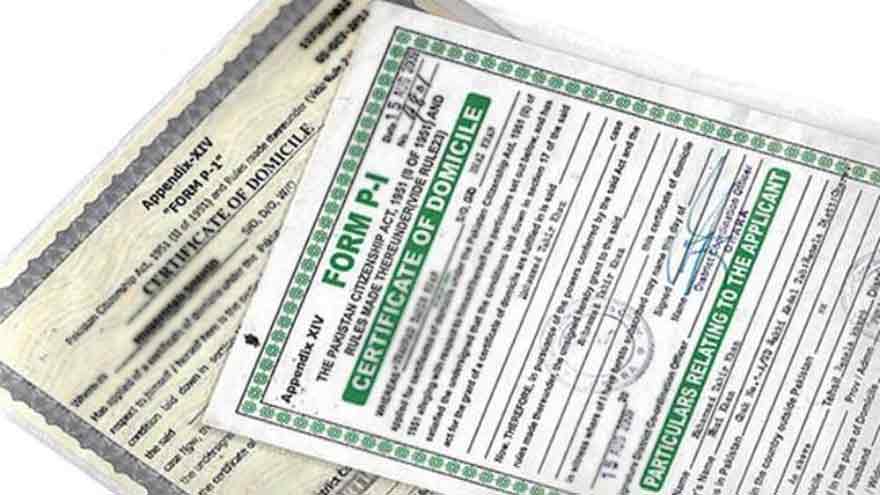
The Punjab provincial cabinet has calibrated a new fiscal framework for administrative documentation, resulting in a strategic Punjab domicile fee increase of 175%. This systemic pivot integrates a fully digital ecosystem designed to replace legacy paper-based processing. Consequently, the total acquisition cost has shifted from Rs. 200 to Rs. 550. This adjustment covers the base fee, e-affidavit, and specialized service charges managed by the Punjab Information Technology Board (PITB). Notably, the government aims to catalyze system efficiency by eliminating manual bottlenecks and bureaucratic delays.
A New Baseline for the Punjab Domicile Fee
The government has restructured the payment model to consolidate all administrative charges into a single, transparent digital transaction. Specifically, the e-affidavit fee rose from Rs. 100 to Rs. 300. Additionally, the PITB retains a Rs. 50 service charge, while the remaining Rs. 500 enters the provincial treasury directly. Furthermore, manual payments are now obsolete. Citizens must utilize the e-Pay Punjab platform to facilitate their applications, ensuring a paperless and auditable financial trail for every document issued.
Precision Engineering of the Digital Domicile
To enhance national advancement, the government is implementing a NADRA-style verification protocol within the new framework. Therefore, the processing timeline should decrease to just two or three days. Applicants can now utilize mobile applications or web portals to submit data with surgical precision. Once processed, the system triggers a courier delivery service costing Rs. 60 per certificate. This integrated platform utilizes security paper and SMS alerts to maintain high-precision tracking and document integrity across the province.

The Translation (Clear Context)
Essentially, the Punjab government is trading a lower price point for higher system reliability. The 175% increase is not merely a tax; it is the cost of building a “Paperless Punjab.” By shifting the Punjab domicile fee collection to e-Pay Punjab, the state removes the “hidden costs” of manual processing, such as travel to government offices and middleman interference. The system now functions as a unified digital utility, where the price covers digital hosting, security paper, and logistical delivery.
The Socio-Economic Impact
For the average household, this change represents a shift in how time and money are valued. While the immediate financial burden increases by Rs. 350, the structural efficiency saves citizens from multiple trips to administrative centers. Students and professionals in rural areas will benefit most from home delivery. However, for low-income families already struggling with inflation, this 175% hike adds to the rising cost of basic citizenship services, potentially creating a barrier to entry for essential documentation.
The Forward Path (Opinion)
This development represents a Momentum Shift toward a more disciplined and modern state. While the price hike is significant, the transition to a digital baseline is a necessary catalyst for national advancement. Precision in data management and the elimination of manual error are critical for a functioning 21st-century economy. However, the government must ensure that the “service charges” result in the promised 48-hour turnaround to justify the increased financial burden on the public.








