

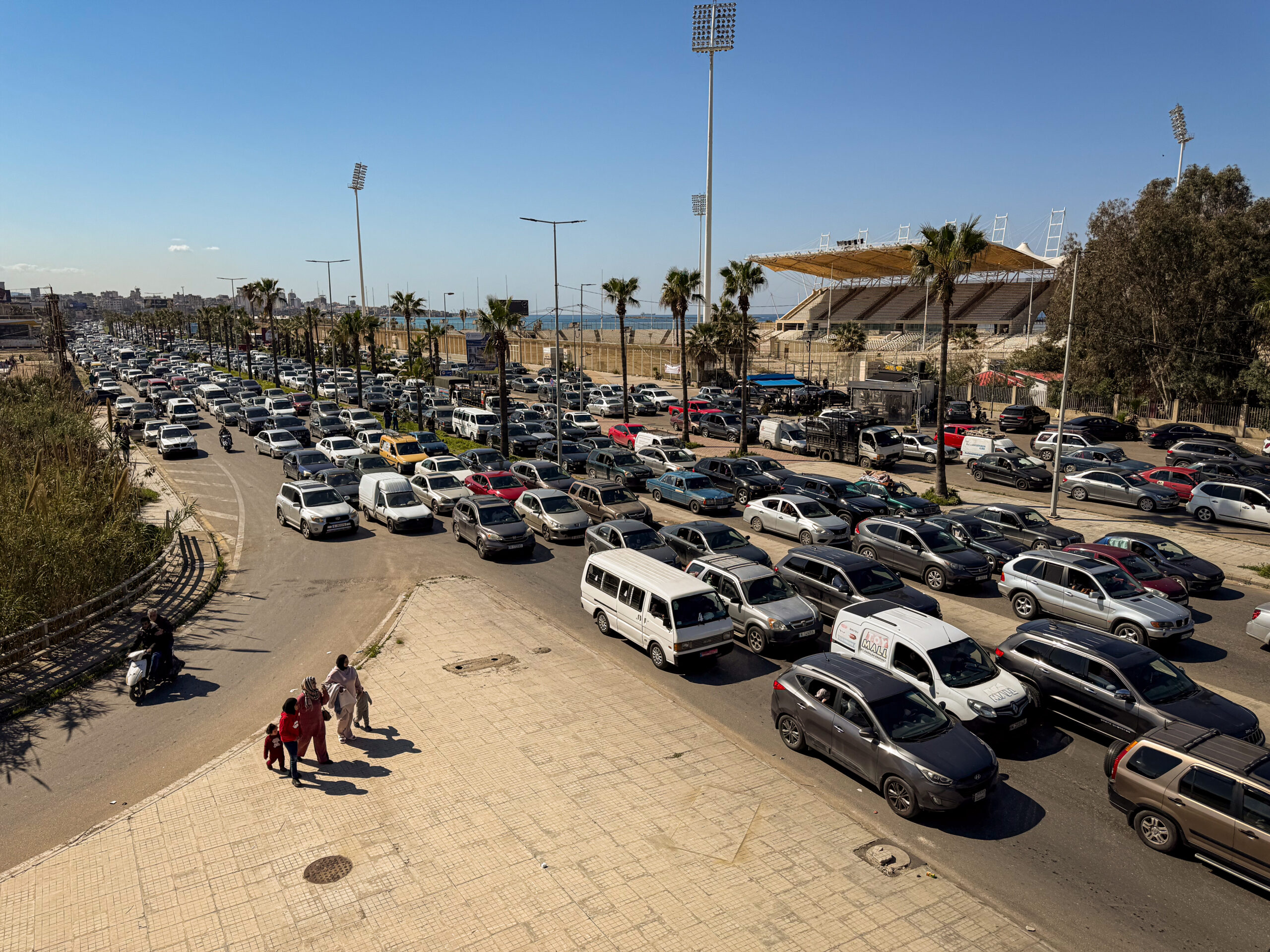
The Rawalpindi transport suspension has activated a total logistical freeze across the city’s primary arteries. Consequently, authorities have halted all private, public, and goods transport services with immediate effect to ensure a calibrated security baseline. This structural shutdown responds to evolving diplomatic requirements and high-level safety protocols within the metropolitan zone.
Precision Security Measures and Urban Deployment
More than 10,000 police personnel are currently executing a strategic deployment across the metropolitan area. Simultaneously, law enforcement teams have established over 600 checkpoints at critical entry and exit points to maintain rigorous monitoring and control. These architectural barriers serve as a catalyst for enhanced regional stability during this high-stakes period.
The Translation: Security Architecture and Diplomatic Shifts
This development stems from anticipated high-level diplomatic activity at Nur Khan Airbase and Islamabad International Airport. If the second round of US-Iran talks receives confirmation today, the security perimeter will expand exponentially. Specifically, authorities plan to seal all surrounding areas from midnight to create a sterilized diplomatic corridor for international delegates. The logic here is absolute: national security interests override municipal convenience during global negotiations.
The Socio-Economic Impact: Logistics and Daily Life
This Rawalpindi transport suspension fundamentally alters the daily mobility of students, professionals, and households across the Twin Cities. The sudden cessation of goods transport disrupts the supply chain, potentially affecting local market prices and logistics. Furthermore, the closure of key entry points forces a total recalibration of daily commutes, requiring citizens to remain cautious and highly adaptable to changing official instructions.
The Forward Path: A Stabilization Move
In my expert assessment, this development represents a Stabilization Move rather than a permanent momentum shift. While the disruption is significant, the precision of the deployment suggests a controlled, temporary intervention designed for system protection during diplomatic stress. Success for the region depends on the efficiency of the eventual reopening phase and the clarity of communication from the DC Rawalpindi office.
- 10,000+ Police personnel deployed for monitoring.
- 600+ Strategic checkpoints established at entry/exit points.
- Immediate Suspension of all public, private, and goods transport.
- Diplomatic Catalyst: Security arrangements tied to US-Iran talks.








