Pakistan Telecommunication Company Limited (PTCL) and the Pakistan Poverty Alleviation Fund (PPAF) have successfully deployed safe drinking water systems to serve over 150,000 people across South Punjab and Sindh. This strategic collaboration addresses critical resource shortages in water-stressed regions, marking Pakistan’s 79th Independence Day with tangible structural progress. By integrating climate-resilient technologies, the initiative stabilizes communities heavily impacted by the devastating 2024 floods.
The Translation: Calibrating Water Resilience
Beyond the ceremonial aspect of national milestones, this project represents a precision-engineered response to hydraulic instability. Technical solutions like Reverse Osmosis (RO) plants and bio-sand filters translate to a simple, life-saving reality: the systematic removal of lethal contaminants from the local supply. Furthermore, the inclusion of rainwater harvesting and tube-wells ensures that these communities maintain safe drinking water access even during shifting climate patterns. Consequently, this multi-tiered approach provides a reliable baseline for public health in Pakistan’s most vulnerable geographic footprints.
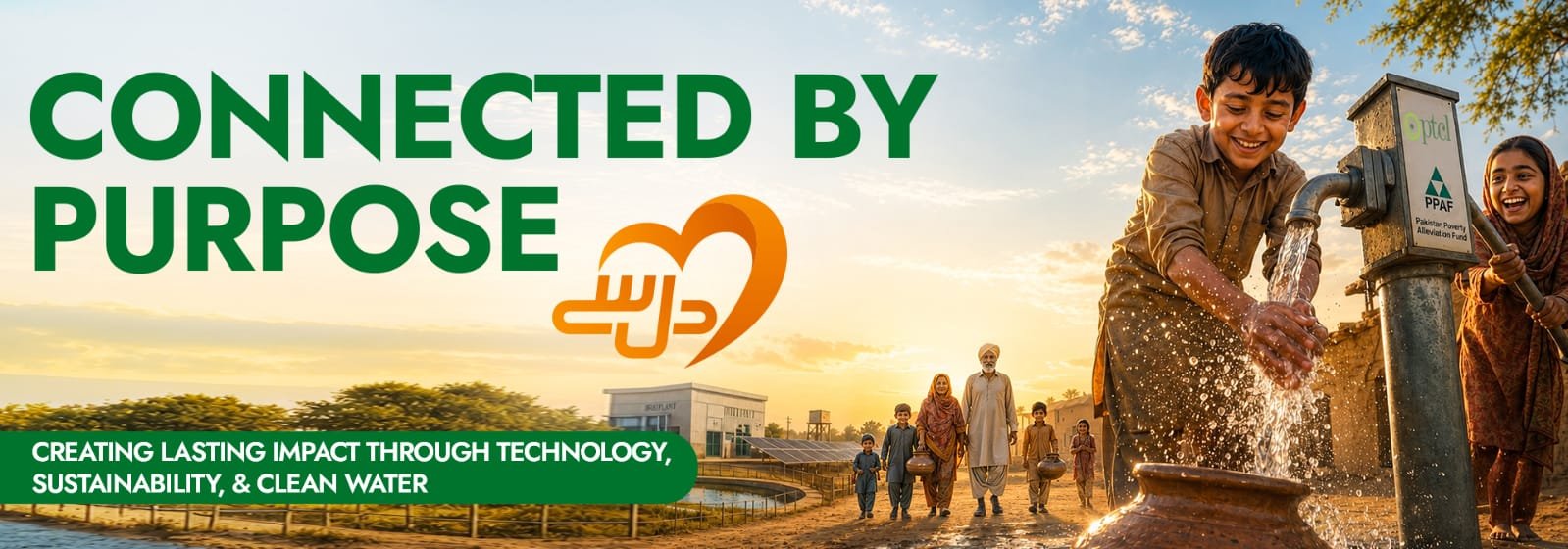
Securing Safe Drinking Water for 150,000 Citizens
The initiative builds on PTCL’s successful pilot in Thar, which previously benefited 15,000 individuals. Expanding this model by tenfold demonstrates a commitment to scalable social impact. PTCL CEO Nadeem Khan emphasized that access to clean water is a prerequisite for thriving communities. Similarly, PPAF CEO Nader Gul Barech highlighted that these strategic partnerships deliver community-driven solutions that improve long-term livelihoods. By focusing on “DilSe” sustainability, PTCL aims to foster economic resilience through fundamental infrastructure improvements.
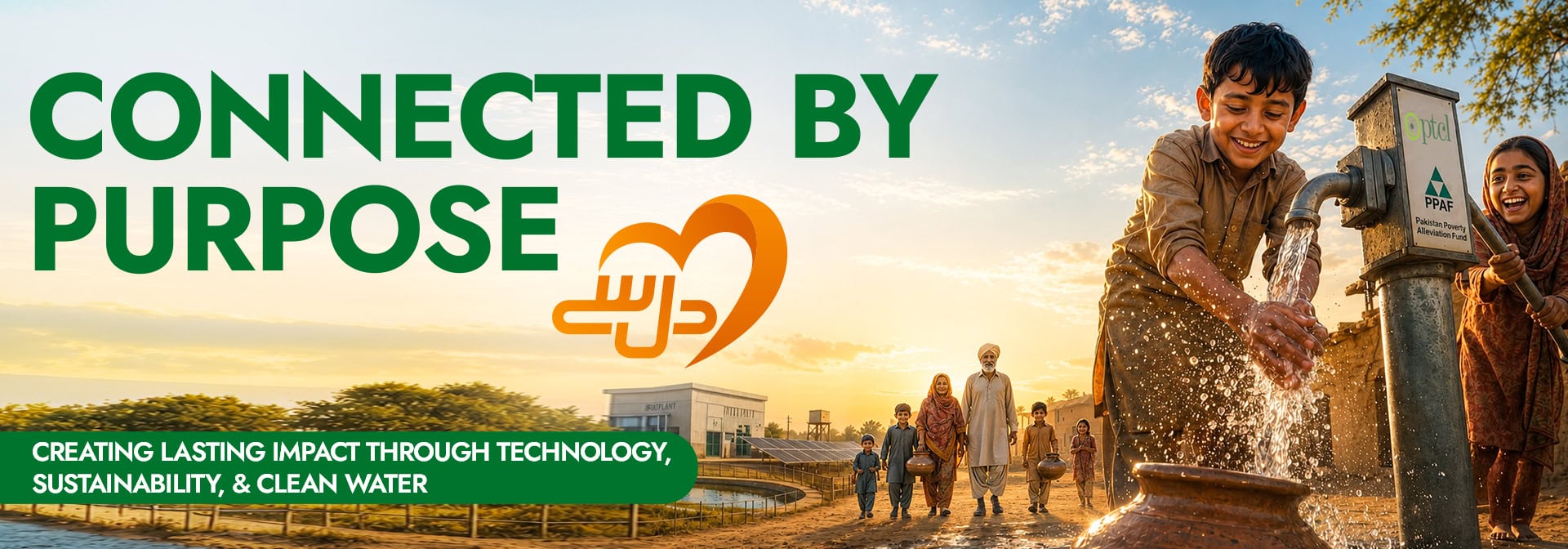
The Socio-Economic Impact
For 150,000 citizens, this intervention dramatically reduces the daily labor of water collection—a task that historically consumes hours of productive time for women and children. By providing safe drinking water at the source, the project lowers the incidence of waterborne diseases, thereby reducing household medical expenditures. In contrast to temporary aid, these climate-resilient solutions empower households to shift from a “survival mindset” to an “economic participation mindset.” Specifically, the availability of potable water serves as a catalyst for improved school attendance and local market activity.

The “Forward Path”: A Momentum Shift
This development represents a definitive Momentum Shift in Pakistan’s corporate social responsibility landscape. Moving from small-scale pilots to a 150,000-person capacity proves that PTCL and PPAF are successfully industrializing social impact. The transition from reactive disaster relief to permanent, climate-resilient infrastructure is the exact precision required for national advancement. This project should serve as the baseline for future public-private partnerships aiming to secure Pakistan’s resource security.