
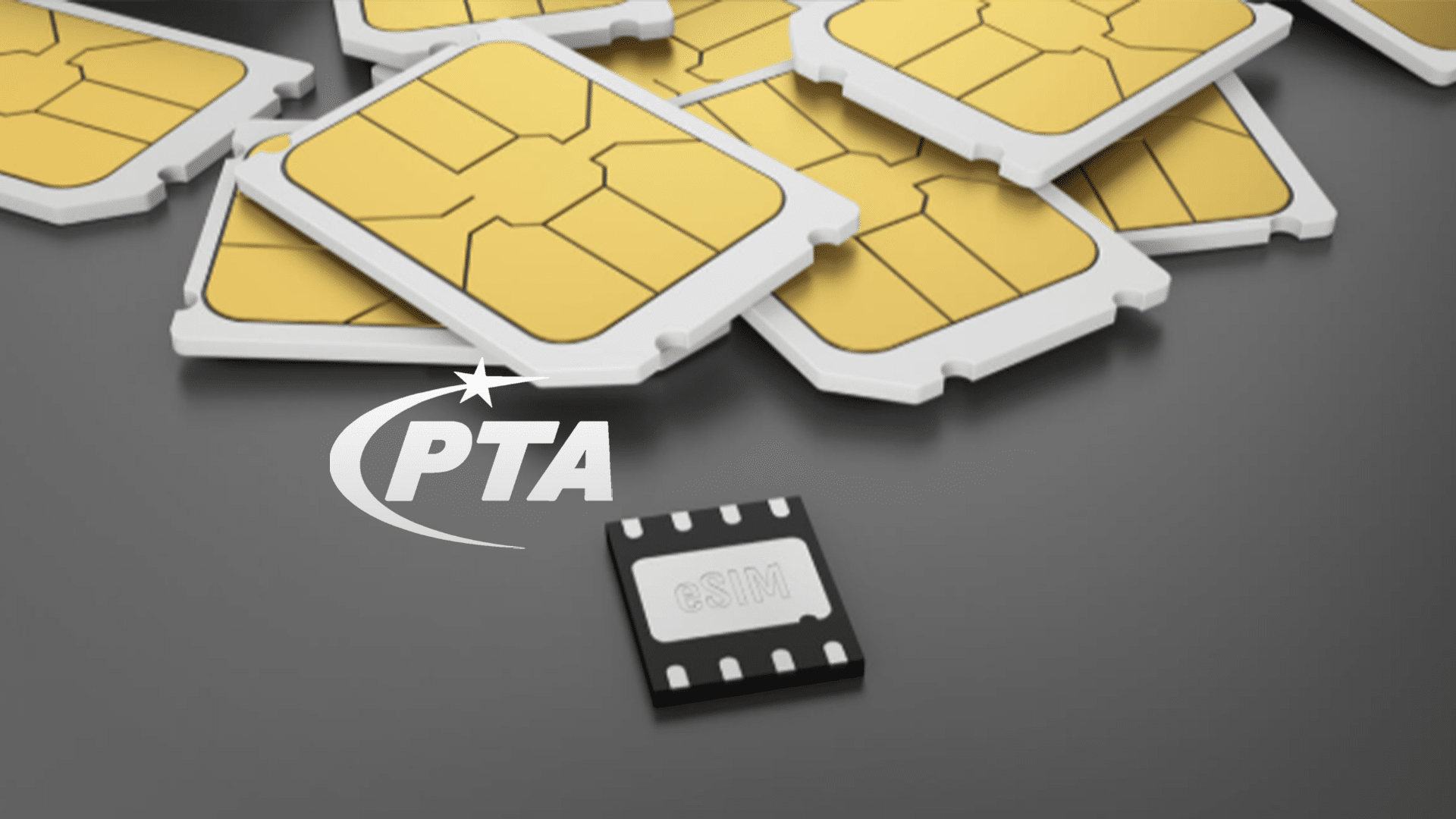
The Pakistan Telecommunication Authority (PTA) recently executed a calibrated strike against digital identity theft by blocking over 1.838 million PTA illegal SIMs within the first seven months of 2026. This strategic initiative, conducted alongside the National Cyber Crime Investigation Agency (NCCIA), aims to optimize the national telecom baseline by removing unauthorized connections that facilitate fraud and security breaches. Consequently, authorities are fortifying the integrity of our digital infrastructure.
Strengthening the National Identity Architecture with PTA Illegal SIMs Measures
Between January and July 2026, the PTA implemented a multi-layered enforcement strategy to purge the system of invalid connections. Specifically, officials blocked 691,102 SIMs through direct enforcement measures. Furthermore, the authority disconnected 903,230 SIMs registered against the CNICs of deceased individuals. These connections often serve as primary tools for malicious actors who exploit the identities of the departed. In addition, the PTA invalidated 244,357 SIMs linked to expired or cancelled identity documents.
Precision Operations Against Unauthorized Trading
The cleanup effort extends beyond digital databases into physical markets. The PTA and NCCIA conducted 25 high-precision raids in Islamabad and surrounding regions to dismantle illegal trading hubs. During these operations, task forces recovered 8,051 foreign SIM cards and arrested 37 suspects. These individuals allegedly facilitated an underground market for unauthorized SIM trading. Authorities have confirmed that strict legal proceedings will follow to deter future system exploitation.
The Situation Room: Analysis
The Translation (Clear Context)
This massive disconnection exercise represents a systemic reboot of Pakistan’s telecommunications registry. By targeting “ghost” SIMs—those belonging to deceased persons or expired IDs—the PTA is closing technical loopholes that allow criminals to operate anonymously. The logic is simple: a one-to-one verifiable link between a citizen and a SIM card is the baseline requirement for a secure digital economy.
The Socio-Economic Impact
For the average Pakistani citizen, this crackdown significantly reduces the probability of receiving fraudulent calls or becoming a victim of financial identity theft. Students and professionals can expect a more secure mobile banking environment as the pool of anonymous numbers used for “vishing” (voice phishing) shrinks. It essentially adds a structural layer of protection to every household’s digital footprint.
The Forward Path (Opinion)
This development constitutes a Momentum Shift for Pakistan’s cybersecurity posture. While previous efforts focused on registration, this proactive deletion of nearly two million connections shows a transition toward active system maintenance. To sustain this progress, the government must now focus on real-time biometric synchronization between the PTA and NADRA to prevent the accumulation of “zombie” connections in the future.








