
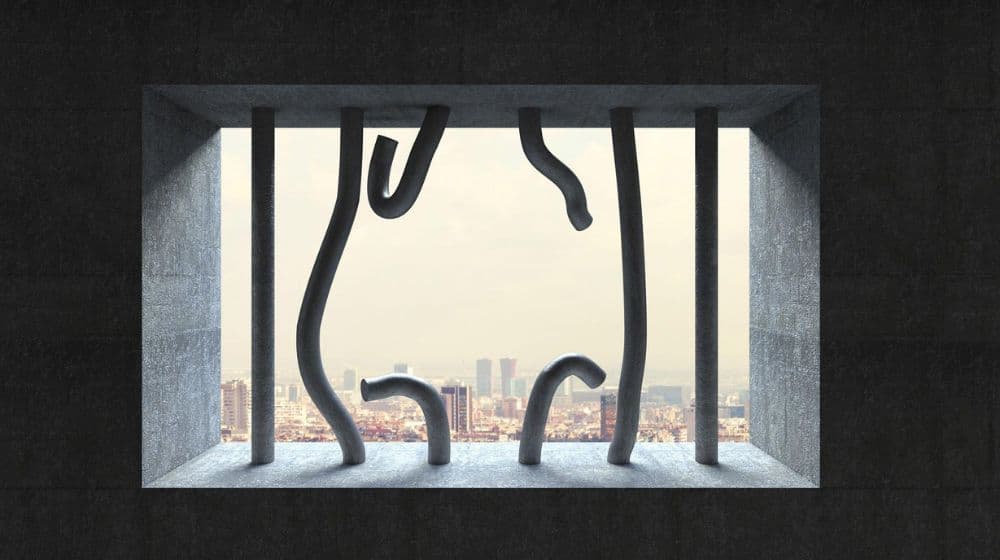
The integrity of a nation’s judicial framework relies on the absolute security of its detention facilities. Recently, a significant Malir Jail escape occurred involving Naveed, alias Polka, a suspect accused of kidnapping and murder. Authorities previously linked Naveed to the high-profile homicide of journalist Wali Babar. However, he managed to vanish during the Marka-e-Haq celebrations within the prison premises. Consequently, this incident has triggered a high-level investigation into the facility’s operational protocols.
The Strategic Failure in Prison Security
Security officials identified the breach after conducting a routine headcount following a public ceremony. Naveed was in custody for the alleged abduction and murder of a local trader named Rehan. Furthermore, the suspect had previously led police to the recovery of the victim’s body. Despite the gravity of these charges, the structural oversight during the event allowed the prisoner to bypass modern surveillance. This lapse is particularly concerning given that the facility reportedly enhanced its security measures recently.

The Translation: Decoding Systemic Gaps
In technical terms, this Malir Jail escape represents a “baseline failure” of the perimeter control and internal monitoring systems. When jails host large-scale events, the standard operating procedures (SOPs) must be calibrated to handle increased movement. In this case, the transition from a celebratory environment back to a secure lockdown failed. Therefore, the “Marka-e-Haq” event served as a catalyst for the security breach rather than a controlled cultural activity.
The Socio-Economic Impact: Safety and Stability
For the average Pakistani citizen, such escapes degrade the sense of communal safety and trust in the rule of law. When high-risk individuals return to the streets, it creates a precision threat to urban stability. Specifically:
- Public Safety: Increased risk of recidivism in kidnapping and violent crime.
- Institutional Trust: Reduced confidence in the police and prison departments’ ability to neutralize threats.
- Justice for Victims: The families of victims, like the trader Rehan, face renewed trauma and delayed justice.
The Forward Path: Momentum or Stabilization?
This development is a clear “Stabilization Move” requirement rather than a sign of progress. Last year, over 200 prisoners escaped from this same facility, indicating a chronic structural weakness. To prevent future incidents, the prison management must implement digital biometric tracking and real-time movement analytics. Merely increasing the number of guards is insufficient; we must modernize the entire custodial architecture to ensure national advancement.








