
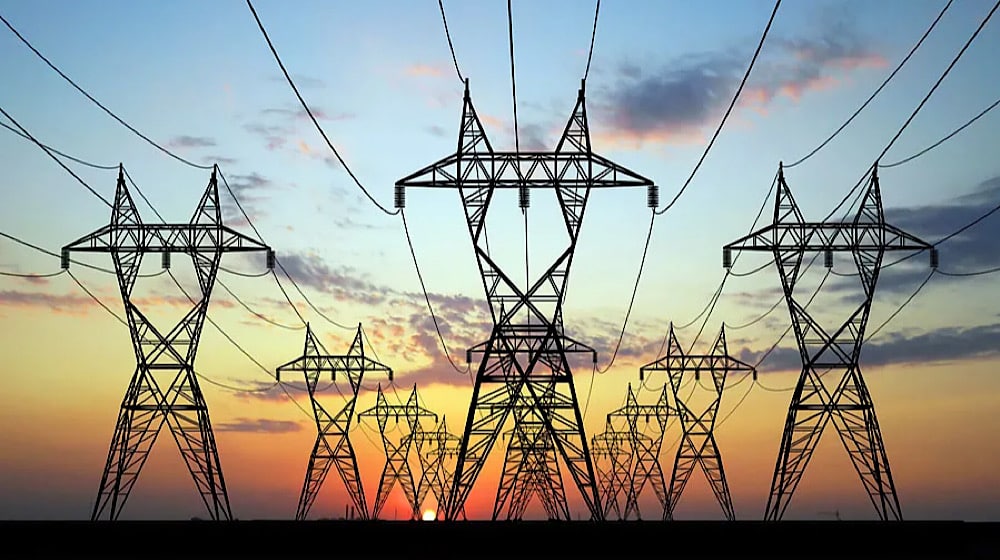
Pakistan power generation witnessed a strategic expansion in March 2026, reaching a total output of 8,939 GWh. This figure represents a 6.3% year-on-year (YoY) increase and a significant 16.2% month-on-month (MoM) surge, according to the latest calibrated data from Topline Securities. Consequently, total generation for the first nine months of FY26 has climbed to 93,130 GWh, marking a foundational 3.3% rise compared to the previous fiscal period.
Strategic Scaling of Pakistan Power Generation
The structural composition of the energy mix is shifting toward more cost-effective indigenous resources. Specifically, the average cost of power generation dropped to Rs. 8.1 per unit in March, reflecting a 15% YoY decrease. Furthermore, hydel power has emerged as the primary catalyst for this efficiency. Hydel output soared by 62% YoY to 2,105 GWh, securing a dominant 23.5% share of the national power matrix.
Breaking Down the Fuel Mix Variables
- Local Coal: Production increased by 7.5%, providing a baseline for grid stability.
- Imported Coal: Generation jumped by over 126%, indicating a tactical reliance on external thermal assets.
- Renewables: Wind generation saw a robust 34% increase, though solar output experienced a slight structural decline.
- Nuclear: Output contracted by approximately 11.7% YoY, despite showing signs of a month-on-month recovery.

The Translation: Navigating Global Volatility
The primary driver behind the recent shift in Pakistan power generation is the reconfiguration of fuel availability due to geopolitical friction. RLNG-based generation plummeted by 67% YoY as Middle East conflicts disrupted supply chains. To compensate for this deficit, the system pivoted heavily toward hydel and coal. This transition demonstrates the necessity of energy sovereignty; as imported gas becomes volatile, the grid must rely on internal architectural strengths to maintain a baseline of 8,939 GWh.
The Socio-Economic Impact: Cost Efficiency vs. Grid Stability
For the average Pakistani citizen, the 15% reduction in generation costs is a vital economic indicator. Lowering the cost to Rs. 8.1 per unit creates the fiscal space needed for future tariff subsidies. However, the paradox remains: load shedding persists despite increased output. This suggests that the current challenge is not just generation capacity, but a structural deficiency in the distribution network. While the system is producing more energy, the precision of delivery to urban and rural households requires urgent calibration.
The Forward Path: Measuring Energy Momentum
This development represents a Momentum Shift for the nation. The successful integration of high-capacity hydel and local coal suggests that Pakistan is moving toward a more sustainable energy baseline. However, the reliance on imported coal and the decline in RLNG availability serve as a warning. To achieve true systemic efficiency, the focus must now shift from merely increasing Pakistan power generation to modernizing the transmission grid to eliminate the “shortfall” narrative once and for all.








