
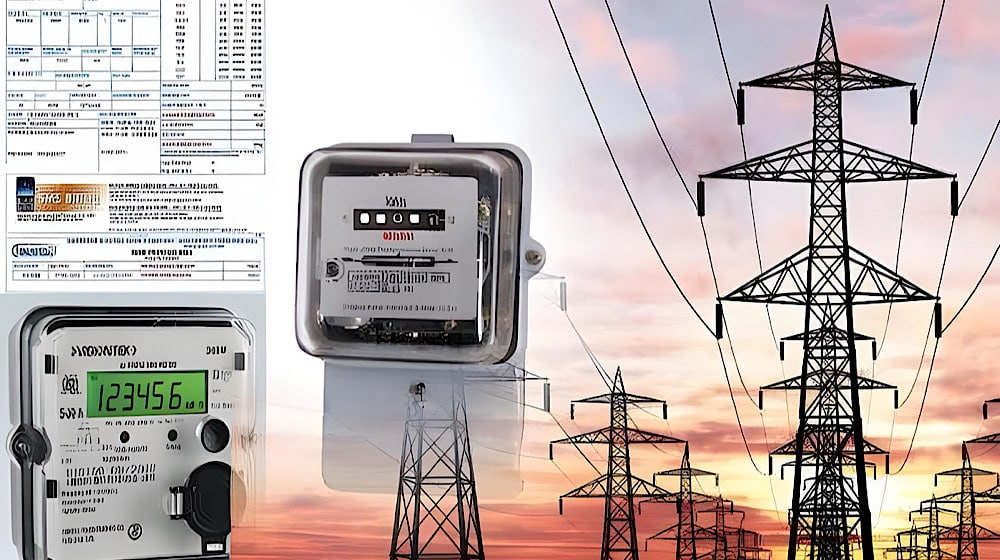
National energy resilience requires a calibrated approach to fuel sourcing to stabilize the domestic economy. Consequently, Pakistani consumers are projected to receive a power bill reduction of approximately Rs. 1.14 per unit in May 2026. This strategic adjustment follows a sharp decline in expensive LNG-based power generation and a surge in domestic renewable output.
Analyzing the Power Bill Reduction and Energy Mix Shift
The Central Power Purchasing Agency (CPPA) recently submitted a petition to the National Electric Power Regulatory Authority (NEPRA). This document proposes a Fuel Charges Adjustment (FCA) of Rs. 0.2660 per unit for March 2026. Although this represents an additional charge, it is significantly lower than the Rs. 1.42 per unit applied in the previous month. Therefore, the net effect for the consumer is a substantial relief in their upcoming billing cycle.
Structural changes in our energy generation baseline drove this downward trend. Hydropower generation surged by over 62 percent, reaching 2,105 GWh and securing a 23.55 percent share of the total mix. Simultaneously, power generation from Re-gasified Liquefied Natural Gas (RLNG) dropped by 67 percent. This transition reduces our reliance on volatile global fuel markets and prioritizes cost-efficient domestic assets.
Comparative Fuel Efficiency
The precision of this shift is evident when examining the cost per unit of different energy sources. RLNG-based electricity remains high at Rs. 24.55 per unit. In contrast, nuclear power provides a baseline at Rs. 2.78 per unit, while hydel power remains a high-efficiency catalyst. Consequently, the average fuel cost across the system declined to Rs. 8.26 per unit, nearly Re. 1 cheaper than the previous year.
The Translation (Clear Context)
The Fuel Charges Adjustment (FCA) is a mechanism that compensates power companies for fluctuations in global fuel prices. When the government uses cheaper sources like water and nuclear energy instead of imported gas, the cost of generation drops. The “relief” mentioned is the difference between last month’s high fuel costs and this month’s lower costs. Essentially, the system is passing the savings of an optimized energy mix directly to the consumer.
The Socio-Economic Impact
For the average Pakistani household, this power bill reduction offers a critical breathing room against inflationary pressures. Lowering the cost of electricity per unit reduces the operational overhead for small businesses and increases the disposable income of urban and rural families. This adjustment serves as a stabilization move, ensuring that industrial productivity remains competitive by lowering the baseline cost of production.
The Forward Path (Opinion)
This development represents a Momentum Shift toward long-term energy sovereignty. By aggressively scaling hydropower and nuclear generation, Pakistan is moving away from the “expensive import” trap that has historically burdened the circular debt. While a public hearing on April 28, 2026, will finalize these figures, the data indicates a strategic victory for system efficiency. To sustain this progress, we must continue prioritizing local infrastructure over foreign fuel dependencies.








