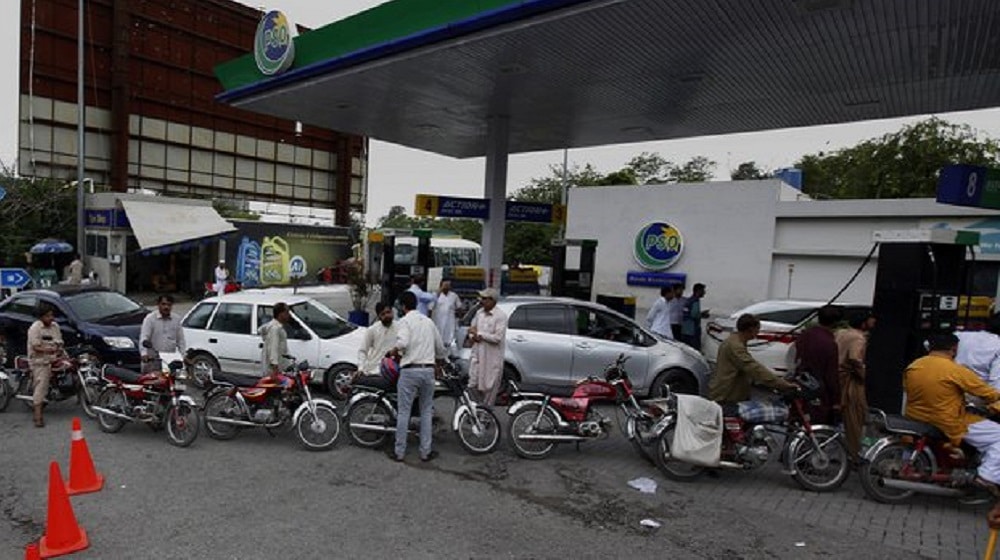
High fuel prices are not merely a result of global market volatility but represent a calibrated structural response to Pakistan’s internal tax compliance baseline. Special Assistant to the Prime Minister (SAPM) Huzaifa Rehman recently stated that the federal government utilized the petroleum levy to bridge missing revenue gaps caused by low public tax participation. Consequently, this strategic move follows a significant surge in petrol and diesel costs, intended to stabilize the national treasury through indirect taxation.
Analyzing the Structural Shift in Fuel Costs
The federal government recently sanctioned a precision increase in energy costs for the current cycle. Under the directive of Prime Minister Shehbaz Sharif, the price of high-speed diesel rose by Rs. 15 per litre. Simultaneously, petrol prices climbed by Rs. 14.92 per litre. Following this adjustment, diesel now costs Rs. 414.58 per litre, while petrol has reached a baseline of Rs. 414.78 per litre across the country. These high fuel prices continue to serve as a primary catalyst for broader inflationary pressures.
The Situation Room: Analysis of National Advancement
The Translation (Clear Context)
The SAPM’s statement reveals a fundamental shift in fiscal logic. Essentially, the government is utilizing the Petroleum Development Levy (PDL) as a proxy for direct income tax. Because the broad public fails to meet tax compliance targets, the state must extract revenue through inelastic commodities like fuel. This creates a system where every citizen pays a “tax” at the pump to compensate for the missing revenue in the national budget.
The Socio-Economic Impact
The escalation of high fuel prices directly degrades the purchasing power of the average Pakistani citizen. For urban professionals, this translates to an immediate increase in daily commuting expenditures. Furthermore, for rural households, the impact is felt through the “freight effect,” as higher transportation costs drive up the retail price of essential commodities like flour and sugar. Consequently, this creates a regressive financial burden on the most vulnerable sectors of society.
The “Forward Path” (Opinion)
We categorize this development as a Stabilization Move. While these measures prevent an immediate fiscal collapse and satisfy international lending requirements, they do not represent long-term progress. A true momentum shift would involve digitizing the tax net and reducing the reliance on fuel levies to fund the state. Until the government addresses the underlying tax compliance crisis, the public will likely face a repetitive cycle of fuel-based revenue collection.