
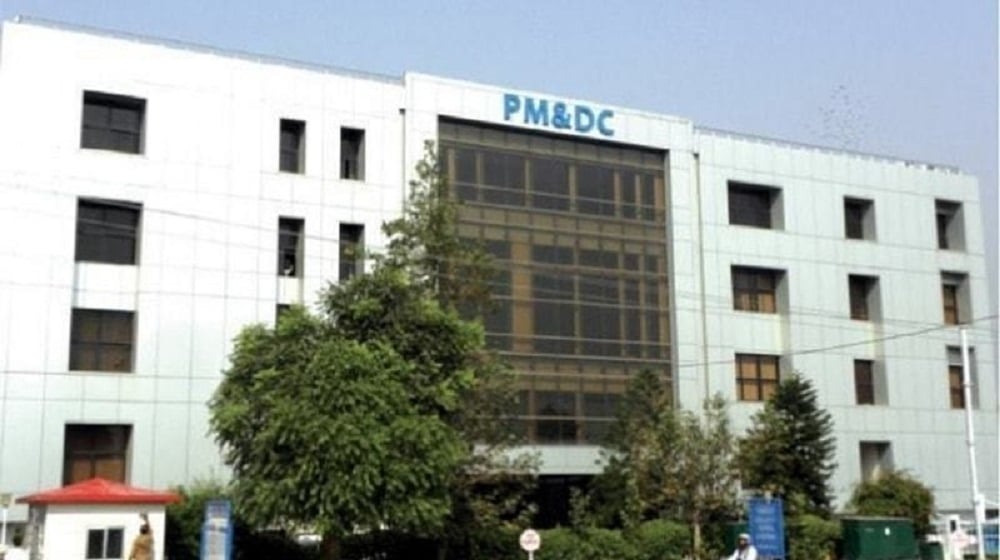
National advancement relies on the structural integrity of its regulatory frameworks. Recent reports of PMDC corruption allegations have emerged, signaling a potential breakdown in the governance of Pakistan’s primary medical body. A high-ranking legal official recently approached the Prime Minister’s Office, citing systemic rule violations and administrative mismanagement that have resulted in over 6,000 active court cases. This volume of litigation suggests a precision-deficit in the council’s baseline operations.
Analyzing PMDC Corruption Allegations and Institutional Risk
The complaint outlines a strategic failure in procurement and financial oversight. Specifically, the administration allegedly increased external lawyer fees by 100 percent without obtaining the required departmental approval. Furthermore, the registrar allegedly facilitated questionable billing practices, ignoring warnings from the finance department regarding bogus invoices. These PMDC corruption allegations also highlight personnel mismanagement, where several permanent officers were reportedly barred from their offices, triggering further legal disputes under the Employee Service Regulations 2023.
The Translation (Clear Context)
In technical terms, the PMDC is experiencing a “governance bottleneck.” When a regulatory body bypasses its own legal department to inflate external costs, it weakens the institutional firewall against corruption. The 6,000 court cases represent more than just legal disagreements; they are a data point indicating that the council’s internal dispute resolution mechanisms have failed. Consequently, the reliance on external counsel at inflated rates suggests a calibrated attempt to circumvent standard procurement protocols, leading to a significant loss for the public exchequer.
The Socio-Economic Impact
This development directly impacts the daily lives of Pakistani citizens by compromising the quality control of healthcare. When the PMDC is mired in litigation and PMDC corruption allegations, its capacity to verify medical credentials and enforce hospital standards diminishes. For medical students and professionals, this administrative instability creates a backlog in licensing, while for households, it erodes trust in the national healthcare baseline. A dysfunctional regulator eventually leads to higher costs and lower safety standards for every patient in the country.
The “Forward Path” (Opinion)
This situation represents a critical Stabilization Move. The current trajectory of the PMDC is unsustainable and requires an immediate, independent structural audit to restore institutional equilibrium. While the Registrar maintains that all decisions align with merit, the sheer volume of court-ordered reinstatements of terminated employees suggests otherwise. To regain momentum, the council must recalibrate its legal and financial departments to ensure that transparency is not just a policy, but a functional reality. Pakistan cannot afford a regulatory catalyst that is compromised by administrative friction.








