
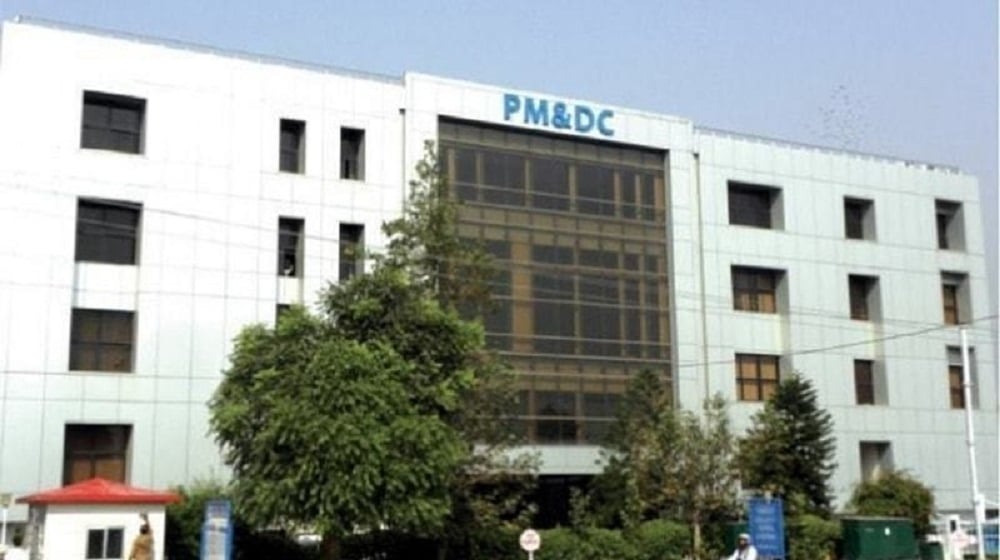
Pakistan’s healthcare infrastructure requires a precision-driven approach to human capital development. To achieve this, the Sub-Committee on Accreditation recently ratified stricter PMDC accreditation rules to eliminate systemic inefficiencies and safeguard the academic integrity of medical graduates. This strategic overhaul ensures that both local and foreign educational tracks align with the World Federation for Medical Education (WFME) standards.
Standardizing the Medical Frontier: Stricter Accreditation
The committee’s recent session focused on engineering a transparent and merit-based inspection mechanism. Consequently, PMDC has adopted a policy of zero tolerance toward negligence or lack of compliance within medical and dental colleges. By calibrating these inspection procedures, the Council aims to synchronize Pakistan’s undergraduate and postgraduate qualifications with global benchmarks. This structural adjustment is essential to maintain the credibility of the national healthcare workforce.
New Mandates for Foreign Medical Graduates
The updated PMDC accreditation rules introduce rigorous prerequisites for students seeking education abroad. Specifically, all candidates must qualify for the MDCAT and secure PMDC registration before departing Pakistan. This measure prevents future regulatory friction regarding licensing. Furthermore, the Council now mandates that students only enroll in institutions listed in the World Directory of Medical Schools. These institutions must also hold accreditation from the WFME.
Quantitative Academic Requirements
- Total Instruction Time: A minimum of 6,200 hours over five years.
- Attendance Baseline: Mandatory 80% attendance for all modules.
- Language Proficiency: Five months of local language training for non-English instruction zones.
- Re-entry Validation: Compulsory passage of the National Registration Examination (NRE) upon return.
The Translation: Clear Context
In technical terms, PMDC is shifting from a passive oversight role to an active regulatory architect. By enforcing the MDCAT and PMDC registration before a student leaves, the Council creates a “pre-verification” loop. This prevents students from spending years—and millions of rupees—at “degree mills” that Pakistan does not recognize. The 6,200-hour requirement acts as a structural baseline to ensure that a foreign degree is quantitatively equivalent to a local five-year program.
Socio-Economic Impact
For the average Pakistani household, these PMDC accreditation rules serve as a protective shield for financial and professional investments. By standardizing the quality of doctors entering the workforce, the Council reduces the risk of medical errors in rural and urban clinics. Furthermore, this move ensures that Pakistani doctors remain competitive in the global labor market, as their qualifications now meet the stringent WFME criteria required for international practice.
The Forward Path: Innovator’s Opinion
This development represents a Momentum Shift for Pakistan’s healthcare sector. While the new requirements may seem administratively heavy, they are a necessary catalyst for professional excellence. For years, the lack of coordination between foreign admissions and local registration caused systemic bottlenecks. These calibrated PMDC accreditation rules provide a strategic roadmap that prioritizes quality over quantity, ensuring that every registered doctor in Pakistan is a precision-trained professional.








