

The Pakistan Meteorological Department (PMD) recently issued a critical PMD weather update to dismantle viral misinformation regarding an alleged “heat burst” event. Social media narratives suggested that temperatures in Punjab could escalate by 20°C in under ten minutes. Consequently, the PMD analyzed the atmospheric baseline and confirmed that no such anomaly exists. The department rejected these claims, emphasizing that no official advisory or warning has been issued for such an extreme fluctuation.
Structural Integrity of Official Climate Data
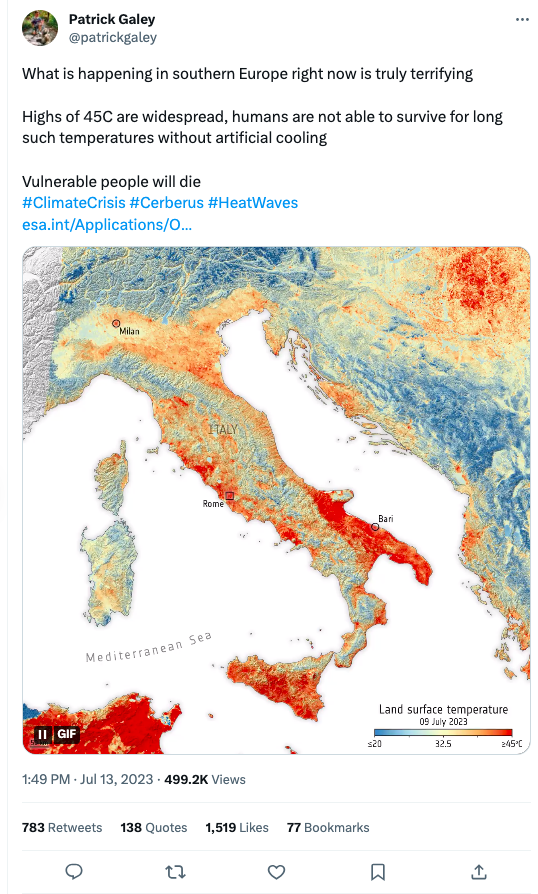
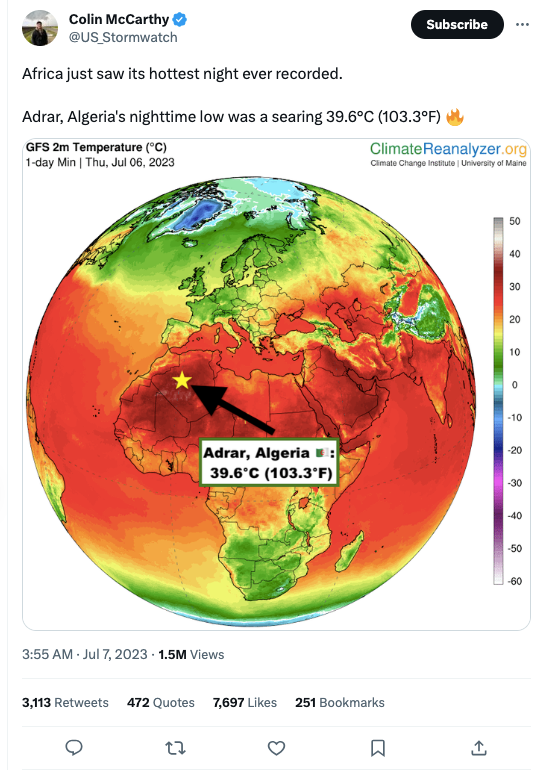
Viral messages circulating on electronic platforms claimed that night-time temperatures would jump from 30°C to 50°C. These reports also warned of zero humidity and severe respiratory distress. To appear credible, the messages utilized scientific terminology like “El Niño” to exploit public anxiety. However, the PMD maintains that all official forecasts remain calibrated against verified, high-precision data points. Specifically, the department clarified that southern Punjab is not at risk of a sudden, five-minute temperature spike.
A Calibrated PMD Weather Update on Public Safety
The dissemination of unverified weather reports creates structural confusion within the public domain. During periods of rising seasonal temperatures, accurate information acts as a catalyst for effective community response. Therefore, the PMD urges citizens to disregard unconfirmed online claims. Official weather updates are the only reliable baseline for understanding Pakistan’s changing climate conditions.
The Situation Room Analysis
The Translation
In meteorological terms, a “heat burst” is a rare phenomenon involving a collapsing thunderstorm that drives hot air to the surface. While scientifically possible, the viral reports exaggerated the scale and speed to create sensationalism. The PMD weather update serves as a corrective measure, translating complex atmospheric physics into a clear directive: the current conditions do not support such an event. Precision in language prevents the “science-washing” of misinformation.

The Socio-Economic Impact
Misinformation of this magnitude directly affects the daily lives of Pakistani citizens in several ways:
- Public Health: Unnecessary panic leads to over-exhaustion of emergency services and high anxiety among vulnerable populations.
- Agricultural Planning: Farmers relying on false warnings may take premature, costly actions to protect crops from non-existent heat.
- Economic Stability: Work disruptions occurs when families prioritize responding to “emergency” rumors over productive activity.
The Forward Path
This development represents a Stabilization Move. By aggressively debunking viral myths, the PMD is maintaining the integrity of our national information systems. However, for a true Momentum Shift, Pakistan requires a more robust digital literacy framework. We must move toward a future where the PMD weather update is the primary, unquestioned source of truth for every citizen with a smartphone. Strengthening our institutional voices is the only way to insulate the public from digital volatility.








