
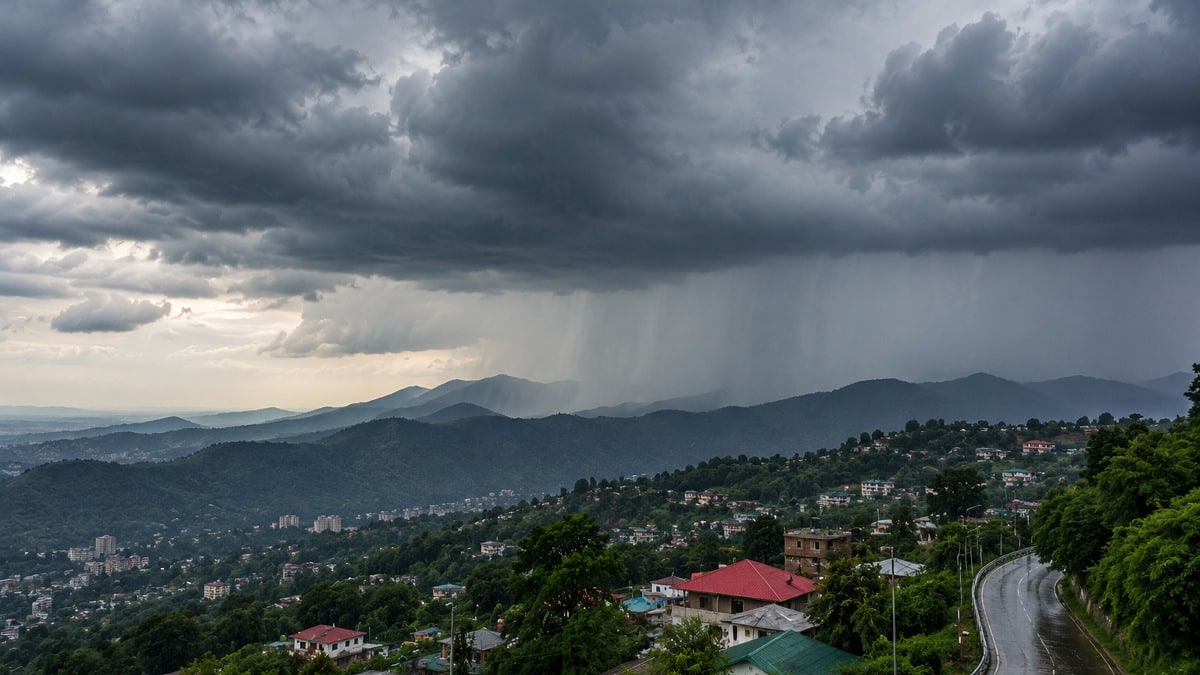
A calibrated western weather system is projected to enter Pakistan on the afternoon of June 11, serving as a vital catalyst for thermal relief. According to the PMD rain forecast, this atmospheric shift will trigger scattered rainfall across several provinces, effectively disrupting the persistent heatwave. Pakistan Meteorological Department (PMD) Director General Dr. Muhammad Afzal confirmed that this system will remain active until June 13, lowering the baseline temperatures in key northern and central regions.
Strategic Climate Shift: Regions Expecting Relief
The incoming weather pattern will primarily impact the upper and central corridors of the country. Consequently, citizens in Gilgit-Baltistan, Kashmir, Gujranwala, Lahore, and Islamabad can expect a notable decline in mercury levels. Furthermore, specific parts of Balochistan will likely experience isolated rainfall, which is essential for stabilizing local micro-climates. While these areas receive precipitation, Karachi will navigate a different trajectory. The coastal metropolis expects continued humid conditions; however, active sea breezes may provide a marginal cooling effect against the prevailing heat.

The Translation: Decoding the Weather Modeling
In “Next Gen” terms, the “western system” Dr. Afzal referenced is a low-pressure trough moving from the Mediterranean region toward South Asia. Unlike the monsoon, which brings sustained moisture, this system acts as a precision cooling mechanism. It disrupts the high-pressure heat dome that has trapped hot air over the plains. While “scattered rainfall” implies non-uniform coverage, the primary benefit is the cloud cover and wind shift, which together lower the perceived temperature significantly.
The Socio-Economic Impact: Impact on Daily Life
This weather shift directly influences the daily operations of millions of Pakistanis. For the urban professional, the reduction in temperature eases the load on the national power grid, potentially reducing load-shedding intervals. For students and outdoor workers, the PMD rain forecast signals a reduction in heat-related health risks. However, the persistence of humidity in Karachi necessitates continued vigilance. Dr. Afzal advises the public to maintain hydration and limit direct sunlight exposure during peak hours to ensure structural health resilience during this transition.
The Forward Path: Architecting Climate Resilience
This development represents a Stabilization Move. While a three-day rainfall window does not resolve the long-term challenges of a Pakistani summer, it provides a necessary operational pause for the environment. June remains statistically one of the harshest months; therefore, this system is a tactical reprieve rather than a permanent seasonal shift. We must view these forecasts as data points for better urban planning and energy management. Strategic hydration and smart scheduling remain our primary tools until the broader monsoon season arrives to provide more permanent relief.
- Focus Areas: Islamabad, Lahore, Gujranwala, and Kashmir.
- Timeline: June 11th through June 13th.
- Precautionary Measure: Avoid outdoor activity between 12:00 PM and 4:00 PM.








