
The Pakistan Meteorological Department (PMD) recently calibrated the Monsoon 2026 Outlook, projecting near-normal precipitation levels for the Gilgit-Baltistan region. However, the climate data reveals a secondary, more volatile variable: above-normal temperatures across the Hindu Kush-Karakoram-Himalaya range. This thermal deviation acts as a catalyst for accelerated snow and glacier melt, which potentially destabilizes local watersheds. Consequently, the structural risk of floods, landslides, and glacial hazards remains a primary concern for northern infrastructure and residents.
Analyzing the Monsoon 2026 Outlook for Northern Pakistan
Scientific modeling suggests that the eastern parts of Gilgit-Baltistan will experience the most intense warming. This temperature surge speeds up the liquefaction of glacial assets, raising river flows to critical baselines. Furthermore, the PMD warns that short-duration rain spells could trigger immediate flash floods and slope failures in mountainous valleys. These localized hydro-meteorological hazards require precise monitoring to prevent systemic failure of mountain transit routes.
The Translation (Clear Context)
To understand the Monsoon 2026 Outlook, we must look beyond simple rainfall totals. While the volume of water falling from the sky matches historical norms, the “thermal forcing” from higher temperatures means our glaciers are melting at an unsustainable pace. Effectively, the region is facing a double-threat: seasonal rain combined with a massive influx of meltwater. This combination creates a high-pressure environment for our natural and man-made drainage systems.
The Socio-Economic Impact
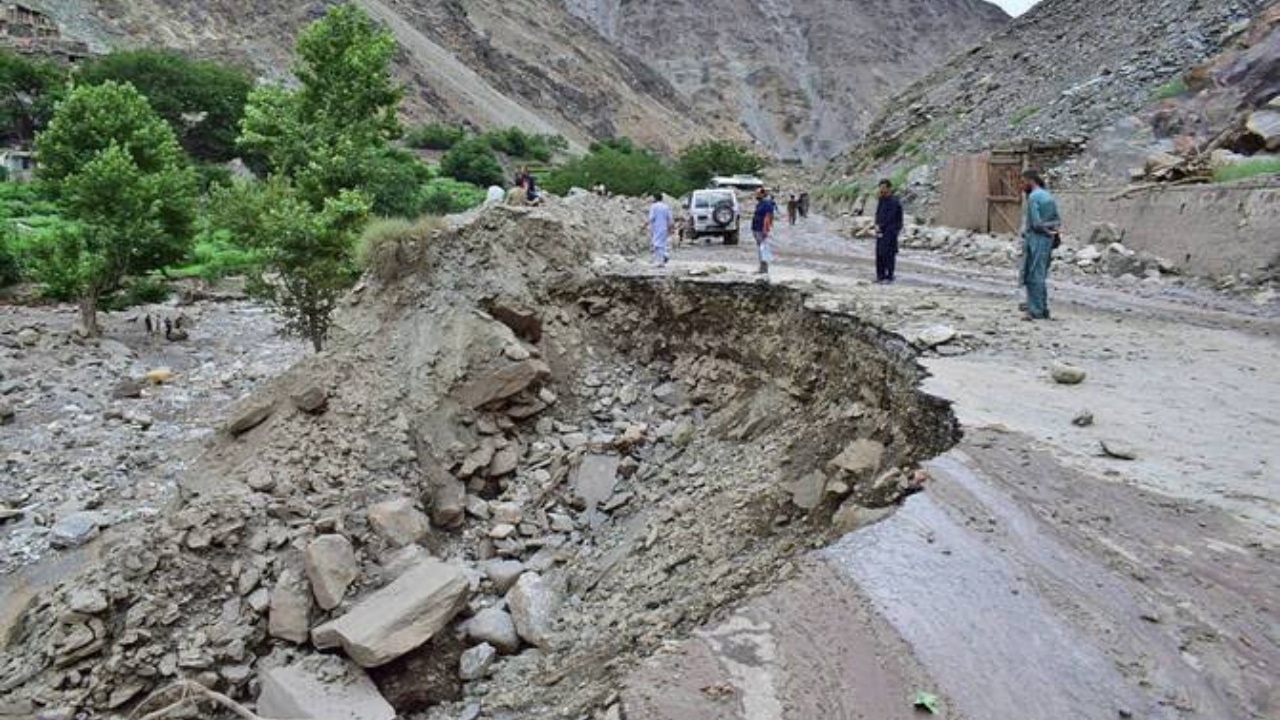
The immediate impact on Pakistani citizens is already visible through logistical disruptions. Landslides and rockfalls have already paralyzed the Astore Valley Road, cutting off essential supply chains. Specifically, remote communities in Chipurson and Misgar valleys face isolation as mudflows block critical transport links. For the local household, this means potential food insecurity, restricted access to healthcare, and a total halt to the local tourism economy during peak season.
The “Forward Path” (Opinion)
This development represents a Momentum Shift toward a more volatile climate reality. We can no longer rely on historical weather patterns to dictate our infrastructure readiness. The “Forward Path” requires a transition from reactive disaster response to a strategy of predictive engineering. Investing in early-warning sensors for Glacial Lake Outburst Floods (GLOFs) is not just an environmental goal; it is a baseline necessity for national security and economic stability in the north.








