National progress depends heavily on the accessibility of sophisticated digital tools. Pixlr, a browser-based design ecosystem, has evolved into a strategic free Photoshop alternative for creators who require professional precision without the enterprise price tag. By integrating calibrated AI-driven workflows, the platform provides a structural solution for individuals working on lower-end hardware or limited budgets.
A Precision-Engineered Free Photoshop Alternative
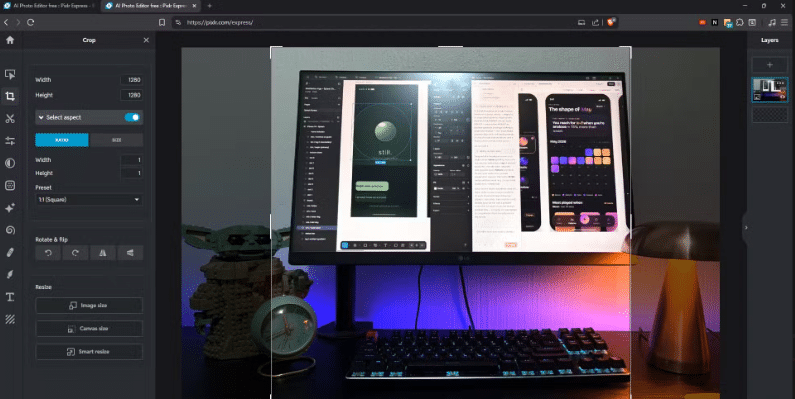
Pixlr has expanded its architectural capabilities far beyond simple photo filtering. The current suite divides its utility into three distinct segments: Pixlr Editor, Pixlr Designer, and Pixlr Express. This modular approach ensures that both technical editors and rapid-content creators can find a calibrated workflow that matches their specific needs.
Advanced Technical Capabilities
For those accustomed to high-end desktop environments, Pixlr Editor delivers a familiar interface. It supports structural editing features that were once exclusive to paid software. Consequently, users can leverage the following tools:
- Layer-Based Editing: Full support for complex masks, blend modes, and non-destructive adjustments.
- Professional File Compatibility: Seamlessly open and edit PSD files directly within your browser.
- Precision Correction: Access healing tools, clone stamps, liquify filters, and advanced curves/levels.

AI Integration and Design Efficiency
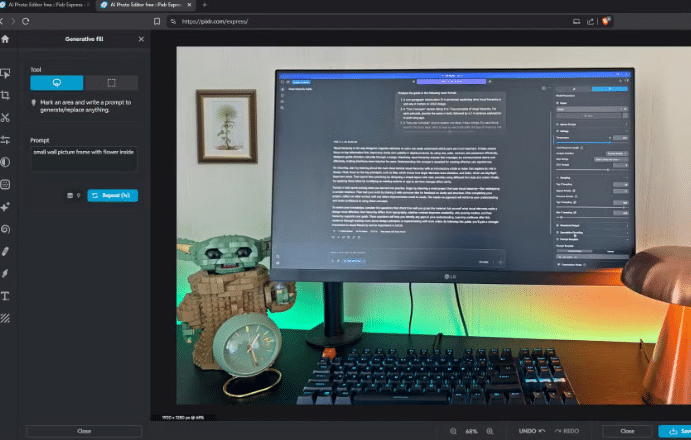
The platform acts as a catalyst for efficiency through its Pixlr Express module. Specifically, it focuses on generative AI features that automate labor-intensive tasks. Moreover, this shift allows casual users to achieve professional-grade results in seconds.
- Generative Fill: Intelligently expand or alter images using structural AI algorithms.
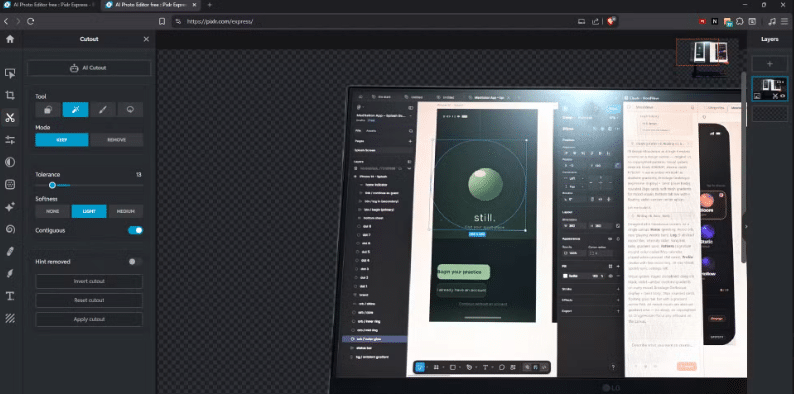
- Automated Extraction: Precision background removal and noise reduction.
- Asset Library: A vast repository of templates calibrated for modern social media standards.
Furthermore, the platform eliminates the baseline barriers of software installation. By remaining entirely browser-based, Pixlr empowers users on mid-range laptops or tablets to execute complex design tasks. While a credit-based system manages high-intensity AI usage, the free tier remains robust enough for consistent casual use.
The Situation Room Analysis
The Translation
The shift from local software to cloud-based AI suites represents a fundamental change in the creative economy. Pixlr is not merely a “lite” version of Photoshop; it is a specialized tool that offloads heavy processing to the cloud. This logic allows precision design to occur on hardware that would typically crash under the weight of traditional enterprise suites.
The Socio-Economic Impact
For the Pakistani citizen, this development is a structural win. Most students and emerging freelancers cannot afford $20-$50 monthly subscriptions for creative software. By providing a high-utility free Photoshop alternative, Pixlr lowers the entry barrier for the global gig economy. It enables a student in a rural district with a basic Chromebook to compete with a designer in a high-tech urban hub.
The Forward Path
This development represents a Momentum Shift. As AI credits become the new currency of creativity, the democratization of these tools will accelerate. We expect to see a surge in high-quality digital output from independent creators who were previously sidelined by the high cost of entry in the design industry.