
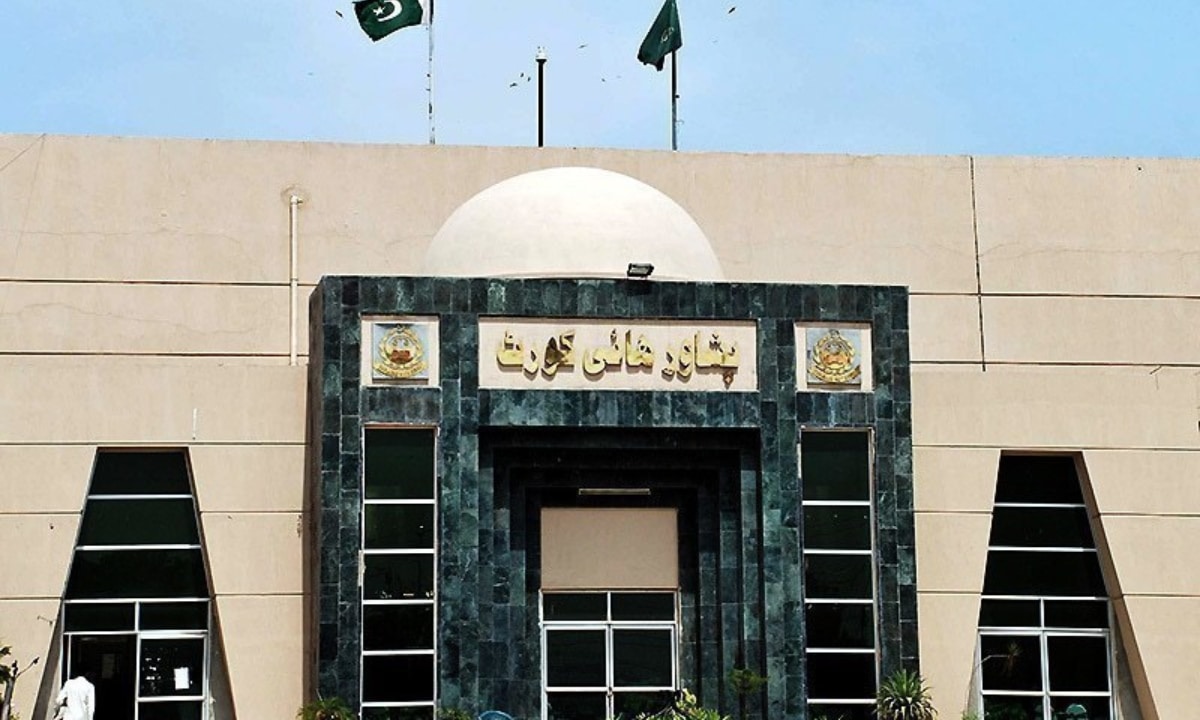
Systemic efficiency in higher education requires a calibrated separation of academic and administrative duties. Recently, the Peshawar High Court (PHC) initiated a critical review of KP University Administration by seeking formal responses from the Khyber Pakhtunkhwa government and various vice-chancellors. This legal intervention addresses a petition challenging the appointment of teaching faculty to high-level administrative positions, a practice that allegedly bypasses statutory requirements and undermines institutional focus.
The Legal Challenge to Administrative Overreach
A judicial bench, featuring Justice Mohammad Ijaz Khan and Justice Mohammad Faheem Wali, directed all respondents to submit detailed comments within thirty days. Lawyer Mohammad Asif Babar filed the petition, arguing that current staffing patterns violate the Khyber Pakhtunkhwa Universities Act, 2012. Specifically, the petitioner seeks to declare the appointment of teachers to roles such as Registrar, Treasurer, and Controller of Examinations as illegal. Consequently, the court must determine if these assignments compromise the precision required for varsity governance.
The core of the dispute lies in Section 17-A of the law, which the provincial assembly amended in 2016. This clause explicitly mandates that administrative officers must fill administrative posts on a regular basis. Furthermore, the law prohibits teachers from holding these specific positions. The petitioner contends that many universities have operated under “additional-charge” arrangements for years. This reliance on temporary fixes instead of qualified administrative professionals creates a baseline of governance instability across the province.
The Translation: Decoding Governance Standards
In the context of KP University Administration, this legal battle represents a struggle for professional specialization. While a professor excels in research and pedagogy, the roles of a Registrar or Treasurer require distinct logistical and financial expertise. The 2012 Act designed a structural firewall between these roles to ensure that neither the classroom nor the boardroom suffers. “Additional charge” arrangements effectively blur these lines, leading to a system where neither academic nor administrative goals receive full attention.
The Socio-Economic Impact: Students and Professionals
When teaching staff migrate to administrative offices, the impact on the average Pakistani student is immediate and detrimental. Key consequences include:
- Reduced Academic Quality: Every hour a senior professor spends on administrative paperwork is an hour lost from mentorship and research catalyst activities.
- Operational Delays: Non-specialized administrators often struggle with complex bureaucratic processes, leading to delays in degree issuance, transcript processing, and financial aid distribution.
- Career Stagnation: Qualified administrative professionals lose career opportunities when these roles are “borrowed” by faculty, hindering the development of a dedicated management cadre in Pakistan.
The Forward Path: An Expert Assessment
This development represents a Momentum Shift toward institutional maturity. For Pakistan’s higher education sector to compete globally, universities must operate as high-precision organizations. The PHC’s inquiry serves as a necessary catalyst for structural reform. Enforcing the KP Universities Act will move the system from a “survival mode” of temporary appointments to a “growth mode” driven by professional management. Consequently, this legal scrutiny is not just about staffing; it is about the long-term integrity of our intellectual infrastructure.








