
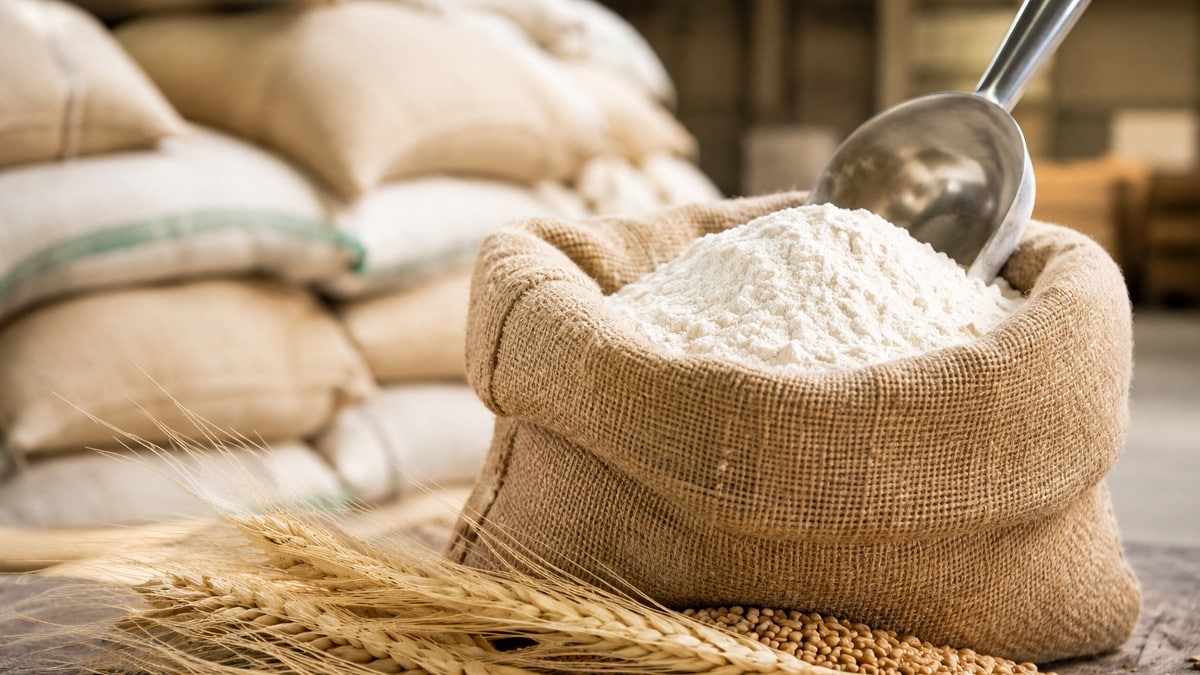
Food security serves as the baseline for national efficiency and public order. However, a calibrated supply chain disruption has recently forced the Pakistan Flour Mills Association (PFMA) to issue an urgent Islamabad flour shortage warning. The association cites the sudden suspension of wheat supply permits as the primary catalyst for a looming crisis in the twin cities. Consequently, the structural stability of the local food market now hangs in a precarious balance.
The Root of the Islamabad Flour Shortage
The Punjab Food Department reportedly suspended wheat supply permits on July 13 without providing any formal written notification. This administrative move effectively bottlenecks the flow of essential grain to nearly 45 flour mills operating within the federal capital. Historically, these mills rely on Punjab’s surplus to satisfy the high demand in Islamabad, Rawalpindi, Murree, and Kotli Sattian. Without immediate permit restoration, millers warn that their reserves will deplete rapidly, potentially triggering an artificial scarcity.

The Translation: Decoding the Administrative Gridlock
In technical terms, the “verbal suspension” of permits creates a legal vacuum. By bypassing the official online permit portal, the Punjab Food Department has introduced an unpredictable variable into a system that requires precision. This lack of transparency often incentivizes black marketing and price manipulation. Furthermore, when the state disrupts the baseline supply of a primary staple like wheat, it forces private entities into solidarity strikes, as seen with the Rawalpindi mills’ threat to suspend operations.
Socio-Economic Impact: Precision Analysis of Daily Life
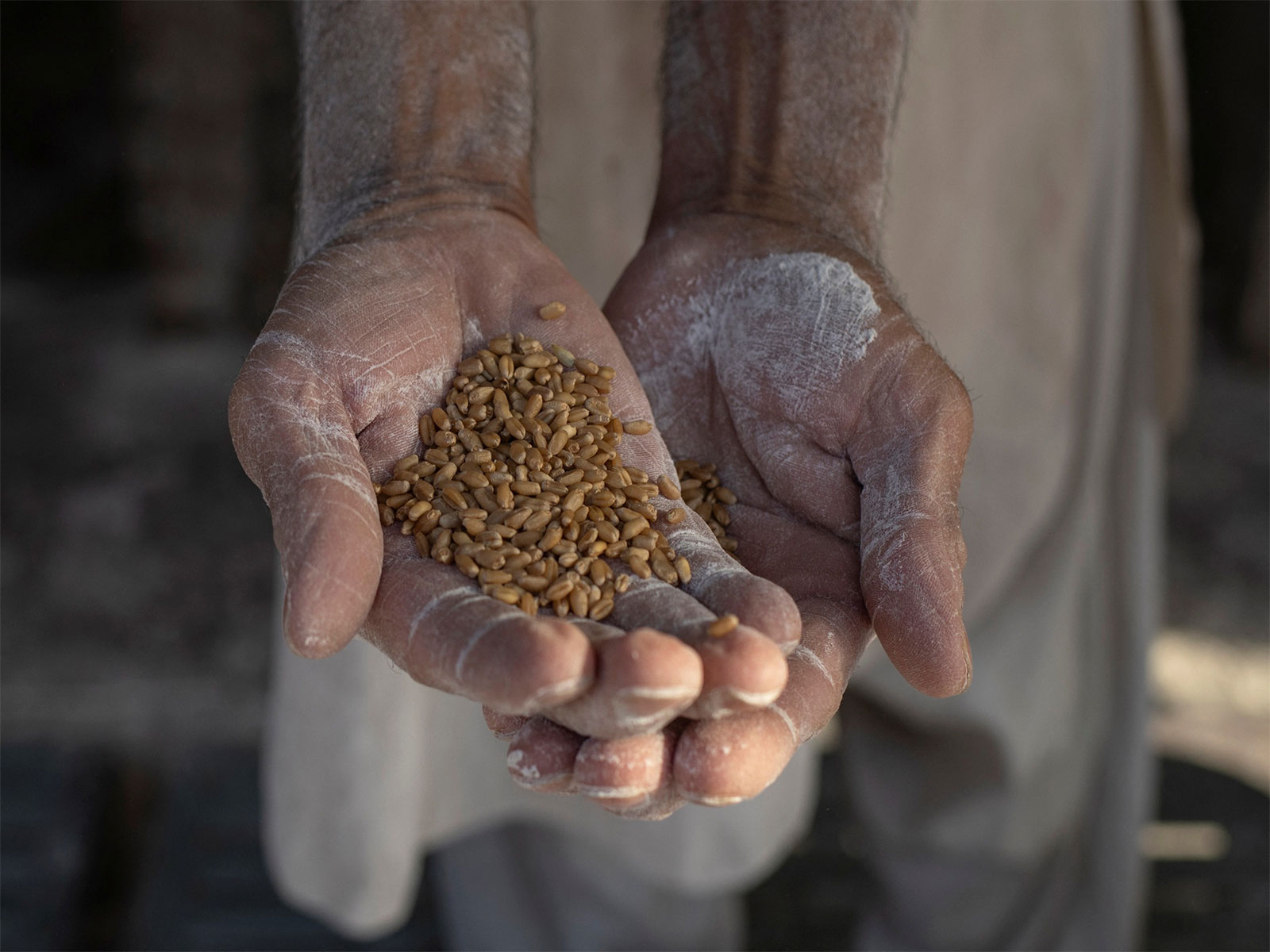
An Islamabad flour shortage directly degrades the purchasing power of the average household. For the urban professional and the rural laborer alike, a rise in flour prices acts as a regressive tax on basic survival. If the suspension continues, we expect a surge in corruption within the distribution networks. Families in the twin cities may soon face calibrated price hikes, reducing the overall caloric security of the most vulnerable citizens.
The Forward Path: A Stabilization Move Required
This development represents a Stabilization Move that has unfortunately failed in its execution. To regain momentum, the Punjab Food Department must immediately restore access to the digital permit portal. Precision governance requires that Chief Minister Maryam Nawaz intervenes to synchronize provincial supply with federal demand. For Pakistan to progress, its food logistics must be shielded from verbal directives and administrative whims.








