
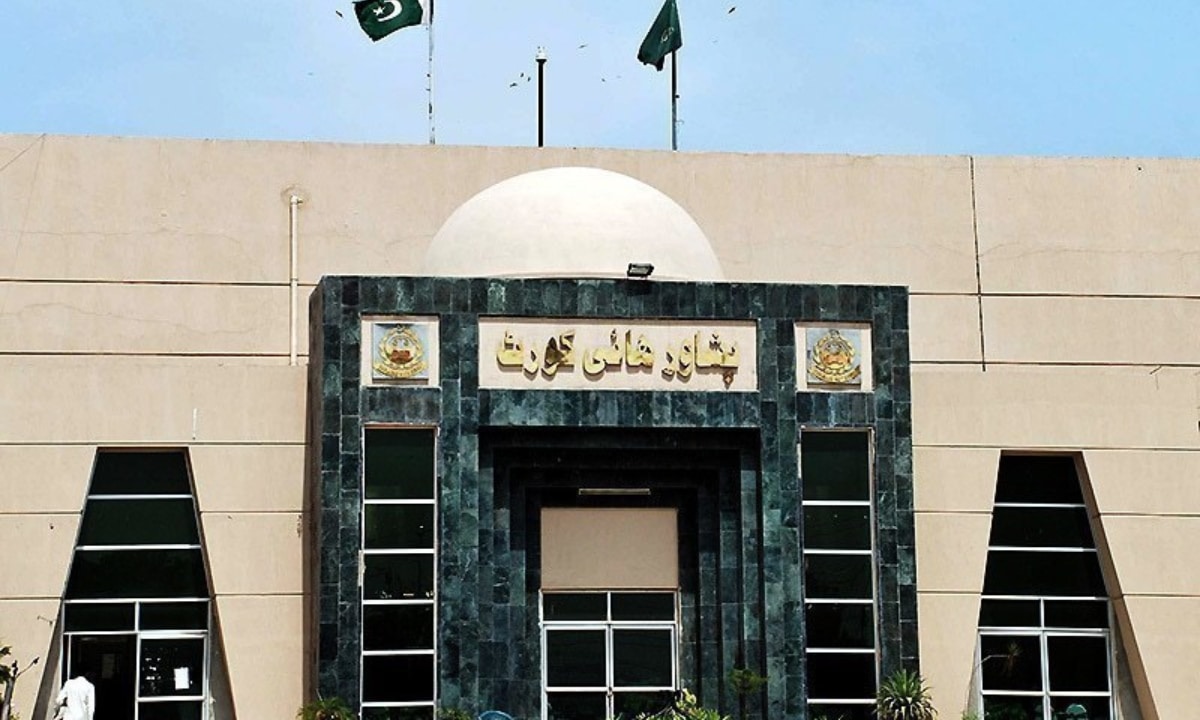
The Peshawar High Court (PHC) has strategically cleared the KP Health recruitment process for approximately 2,500 doctors and nurses. This judicial validation ensures that the provincial health department can proceed with critical staffing to stabilize the healthcare infrastructure. Consequently, the court dismissed multiple petitions that challenged the legality of the hiring procedures and committee structures. The bench emphasized that judicial interference at this stage would delay essential medical services in remote regions.
Calibrating the Workforce for Regional Stability
Precision in administrative appointments is vital for maintaining a functional baseline in public services. A two-member bench, comprising Justice Wiqar Ahmad and Justice Inamullah Khan, ruled that the recruitment process showed no material illegality. Furthermore, the court observed that the urgent need for medical professionals outweighs the procedural concerns raised by the petitioners. Specifically, the shortfalls in rural health centers require a catalyst for immediate resolution through these 2,500 new appointments.
Structural Transparency and Grievance Redressal
To ensure a calibrated and fair system, the court directed the government to make the grievance redressal committee fully functional. Every aggrieved candidate must receive a personal hearing to maintain structural integrity within the KP Health recruitment framework. Moreover, the committee must issue detailed speaking orders for every complaint. The court also mandated that these decisions be uploaded to the official website and communicated via email and mobile numbers to ensure total transparency.
- Total Vacancies: 2,500 Doctors and Nurses.
- Committee Oversight: Divisional Commissioners as Chairmen.
- Legal Recourse: Dissatisfied candidates retain the right to file fresh constitutional petitions.
The Translation (Clear Context)
Technically, the petitioners argued that changing the selection criteria mid-process and appointing divisional commissioners violated established rules. However, the court found that the 2026 amendments to the rules allowed for these structural shifts. In “Next Gen” clarity, the government updated its hiring playbook to be more agile, and since the petitioners did not challenge the updated rules themselves, the court validated the resulting hiring actions. This creates a clear legal baseline for future provincial recruitments.
The Socio-Economic Impact
This development directly impacts the daily lives of millions of Pakistani citizens in Khyber Pakhtunkhwa. For a household in a remote district, the presence of a qualified doctor or nurse is often the difference between life and death. By accelerating these appointments, the state reduces the burden on urban hospitals and lowers out-of-pocket travel costs for rural families. For medical professionals, it provides a stable career path within a verified, legal framework.
The “Forward Path” (Opinion)
This ruling represents a significant Momentum Shift for the province. While individual grievances must be addressed with precision, the structural need to deploy 2,500 medical staff is a catalyst for public health progress. The court’s insistence on a functional grievance committee balances the need for systemic efficiency with individual rights. Moving forward, the KP Health Department must digitize its merit lists to prevent similar legal bottlenecks in future hiring cycles.








