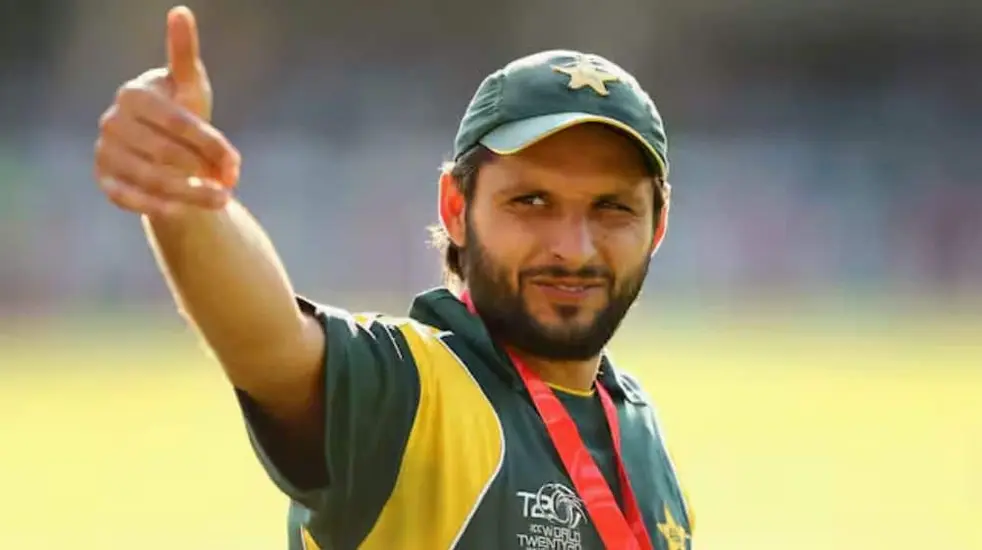
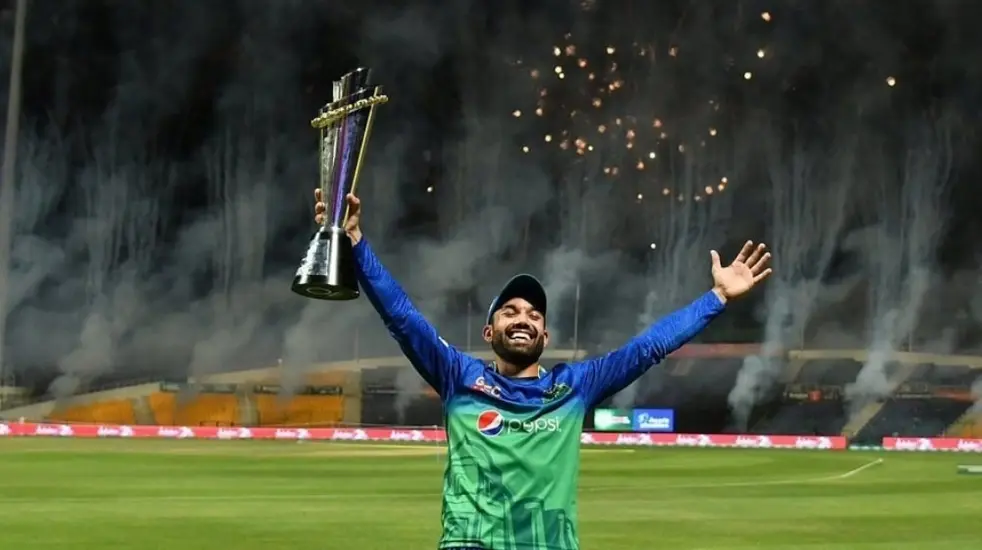
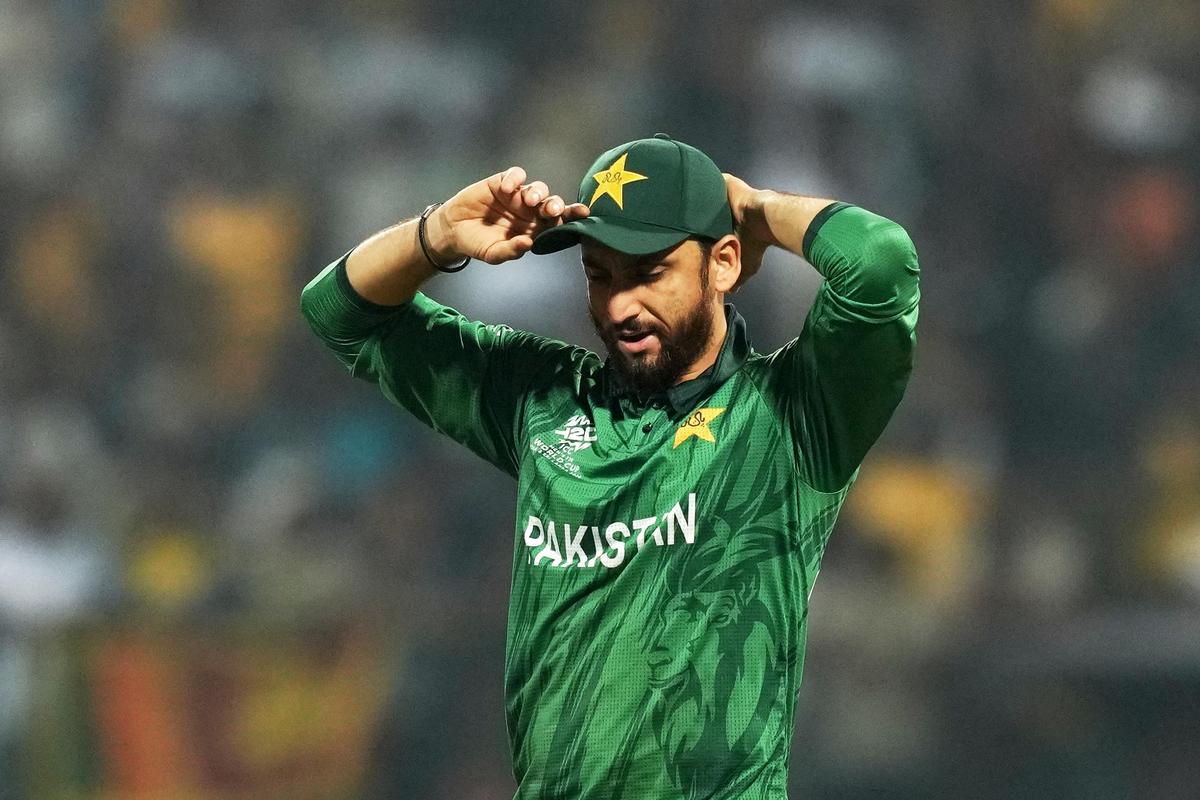
National advancement in professional sports requires a calibrated approach to workload management. Pakistan’s captain and star all-rounder, Salman Ali Agha, recently signaled a potential shift in his career trajectory. He indicated that he may step away from T20 International (T20I) cricket to optimize his physical baseline and mental focus for the 2027 ODI World Cup. Consequently, this decision reflects a broader strategic movement toward long-term asset preservation within the Pakistan Cricket Board (PCB).
A Calibrated Path to the 2027 ODI World Cup
During a media conference, Agha reflected on his current performance metrics within the 2026 Pakistan Super League (PSL 11). He admitted that his recent form has been inconsistent. Therefore, he is meticulously assessing his multi-format commitments to ensure he peaks during global events. Since Pakistan has no T20I fixtures scheduled until December, the captain views this period as a catalyst for structural change in his preparation cycle.
“The 2027 ODI World Cup remains a distant but primary objective,” Agha stated. He emphasized that the focus must transition toward One Day Internationals (ODIs) and Test matches following the conclusion of the PSL. If a break from the T20 format facilitates better preparation for the 50-over showcase, he will execute that strategic pivot without hesitation.
Structural Integrity: Redefining the PSL Talent Pathway
Beyond his personal workload, Agha addressed the systemic risks of fast-tracking players. He suggested that the PSL should function strictly as an identification tool rather than a direct bridge to the national side. Instead, he proposed a tiered progression model:
- Identification: Scouts utilize the PSL to find high-potential athletes.
- Validation: Identified players must return to domestic cricket to prove consistency.
- Integration: Only after domestic success should players enter the international arena.
This disciplined approach aims to prevent the “struggle cycle” often seen when young players bypass critical developmental stages. By reinforcing the domestic structure, the national team can ensure that new recruits possess the technical precision required for the global stage.
The Translation
In “Next Gen” clarity, Salman Ali Agha is advocating for Strategic Specialization. The modern cricket calendar is overcrowded, leading to burnout and diminishing returns. By prioritizing the 50-over format, Agha is attempting to extend his career shelf-life. Furthermore, his critique of the selection process suggests that “Viral Moments” in the PSL are not a substitute for the technical grit developed in first-class domestic cricket.
The Socio-Economic Impact
For the average Pakistani citizen, this shift highlights the importance of sustainable career planning. When national icons prioritize long-term goals over short-term visibility, it sets a precedent for professional discipline across all industries. Economically, a more stable and successful national team drives higher viewership and sponsorship revenue, which eventually trickles down to grassroots sports development in both urban and rural centers.
The Forward Path
This development represents a Momentum Shift. Agha’s willingness to sacrifice his T20I standing for the 2027 ODI World Cup shows a visionary mindset. It challenges the “more is better” philosophy that has plagued Pakistan cricket for years. If the PCB adopts his proposed domestic pathway, we may finally see a stabilization of the national roster, leading to higher system efficiency and consistent international success.