
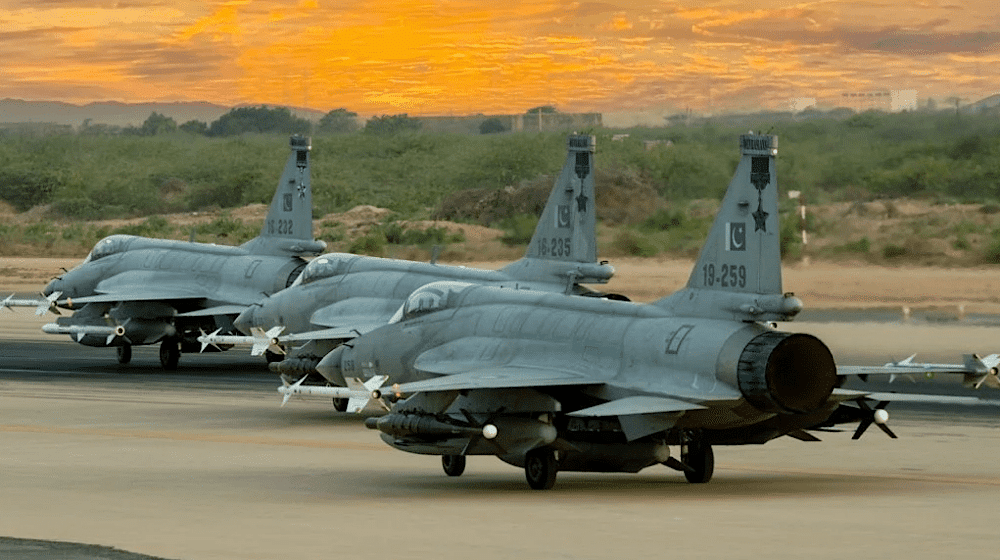
National security requires a calibrated approach to defense investments to ensure long-term stability. The latest SIPRI data reveals that Pakistan’s military expenditure rose by 11 percent to reach $11.9 billion in 2025. This strategic baseline shift follows a period of heightened regional tension and reflects a structural commitment to maintaining technological parity through advanced procurement.
The Strategic Drivers of Pakistan’s Military Expenditure
Following the armed confrontation in May 2025, the state accelerated the acquisition of high-precision missile systems and aircraft. Consequently, these new orders with China represent a strategic catalyst for modernization. This surge in spending aligns with regional trends, as India’s defense budget also escalated by 8.9 percent to $92.1 billion.

The report from the Stockholm International Peace Research Institute (SIPRI) highlights that procurement contracts nearing completion also boosted the figures. These payments were essential to fulfill previously signed defense obligations. In contrast, India’s spending surge followed the loss of multiple fighter jets, leading to a 50 percent increase in their budgeted capital allocations for aircraft systems.
The Translation (Clear Context)
Military spending isn’t just about hardware; it represents a strategic response to shifting geopolitical variables. In 2025, the spike in Pakistan’s military expenditure was primarily driven by two factors: clearing debts for existing defense contracts and securing new, advanced technology to replace assets lost during active friction. Essentially, the state prioritized rapid modernization to ensure a credible deterrent in a volatile neighborhood.
The Socio-Economic Impact
How does this change the daily life of a Pakistani citizen? While defense spending ensures national security, it also shifts fiscal priorities. For households and professionals, this 11 percent increase necessitates a precision-based economic strategy to balance safety with civilian infrastructure. Consequently, the government must optimize resource allocation to prevent inflationary pressure on the domestic economy during this modernization phase.
The Forward Path (Opinion)
We view this development as a Stabilization Move. While the expenditure rise is significant, it serves as a necessary calibration to restore tactical equilibrium following the 2025 hostilities. However, for a sustainable future, the focus must eventually transition from procurement-heavy spending toward domestic defense-tech innovation to reduce external fiscal reliance.
Global Defense Landscape in 2025
Worldwide defense spending continued its upward trend for the 11th consecutive year. Global expenditure reached a staggering $2.887 trillion, marking a 2.9 percent real-term increase. The following metrics define the current global military burden:
- Global Per Capita Spending: Reached $352 per person.
- GDP Share: Military spending accounted for 2.5% of worldwide GDP.
- Growth Pace: While spending rose, the growth rate was the lowest since 2021.
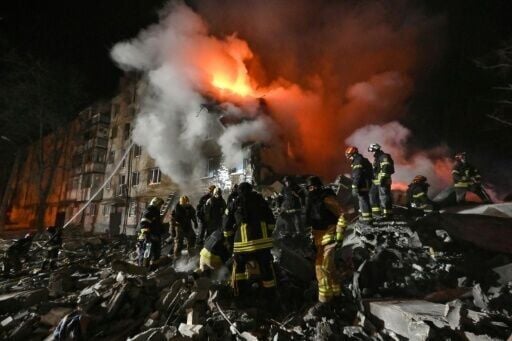
Interestingly, the United States saw a decline in defense spending. However, sharp increases in European budgets and sustained growth in Asia and Oceania offset this. Excluding the U.S., global military expenditure expanded by 9.2 percent, signaling a massive structural shift in global security priorities.








