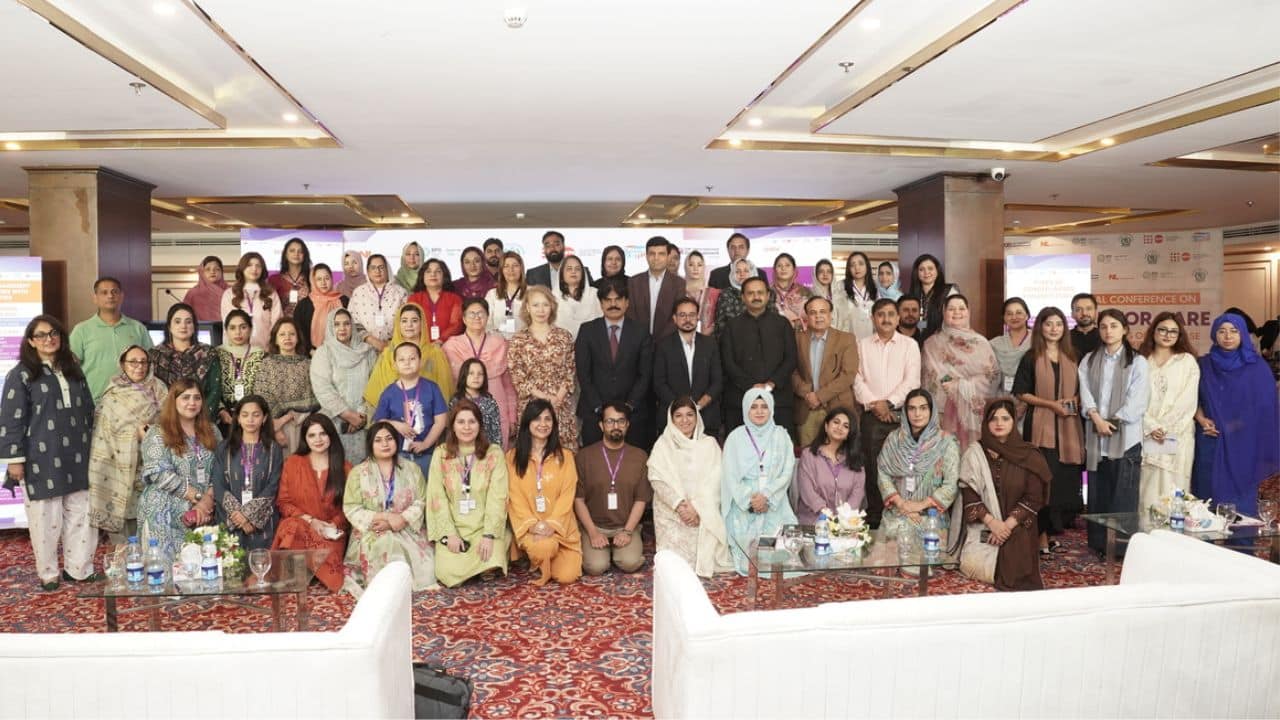
The structural integrity of Pakistan’s social protection framework reached a calibrated milestone as the Ministry of Human Rights convened the nation’s first conference to institutionalize GBV case management. This two-day “Connected for Care” summit in Islamabad united technical experts from UNFPA Pakistan and SPO to address a critical baseline: nearly one in three ever-married women in Pakistan faces violence. Consequently, the conference established a strategic roadmap to transition from fragmented reporting to a survivor-centered national infrastructure.
Calibrating a National Framework for GBV Case Management
Delegates identified severe gaps in current investigation protocols that frequently deny survivors timely justice. To rectify this, Ms. Mehreen Jaswal of UNFPA highlighted the specific vulnerability of married and adolescent girls who often fall through systemic cracks. Furthermore, she emphasized that GBV case management cannot exist in a vacuum. Pakistan must simultaneously address economic dependency and legal contradictions to deliver lasting protection for these high-risk demographics.
Institutional Integration and Academic Alignment
A precision-focused panel explored the integration of specialized competencies into university curricula. By institutionalizing these standards within academia, Pakistan ensures that future social workers and legal professionals enter the workforce practice-ready. Currently, Punjab and Khyber Pakhtunkhwa lead this curriculum shift. The KP Social Welfare Department reported that shifting to ethical, survivor-oriented Standard Operating Procedures (SOPs) has already measurably improved frontline outcomes.
Structural Mentorship and the National Forum
Technical experts introduced a vital distinction between administrative oversight and clinical case supervision. Ms. Zehra Kamal framed technical supervision as a safeguard against secondary traumatization for workers. Consequently, the conference’s landmark output is the National GBV Case Management Mentorship Forum. This platform connects certified trainers across all four provinces to synchronize advocacy and peer support, ensuring that system efficiency remains high across the federation.
The Situation Room: Strategic Analysis
The Translation (Clear Context)
In technical terms, “Institutionalizing GBV Case Management” means moving away from ad-hoc, manual reporting toward a standardized, professionalized system. This protocol ensures that every survivor, regardless of location, receives the same high-standard ethical care, legal documentation, and mental health referral. It shifts the burden of navigation from the survivor to a calibrated system of professionals.
The Socio-Economic Impact
For the average Pakistani household, this development represents a catalyst for safer communities and economic stability. When women—who represent a significant portion of the potential workforce—have access to a reliable protection infrastructure, national productivity increases. For families in both urban centers and rural districts, this system reduces the social stigma of reporting violence and provides a structured pathway to legal and physical security.
The “Forward Path” (Opinion)
This development represents a Momentum Shift. For decades, gender-based violence was treated as a private grievance or a localized police matter. By building a National Mentorship Forum and integrating these standards into universities, Pakistan is creating a sustainable professional class dedicated to protection. This transition from awareness to infrastructure is the precision move required for long-term social stability.