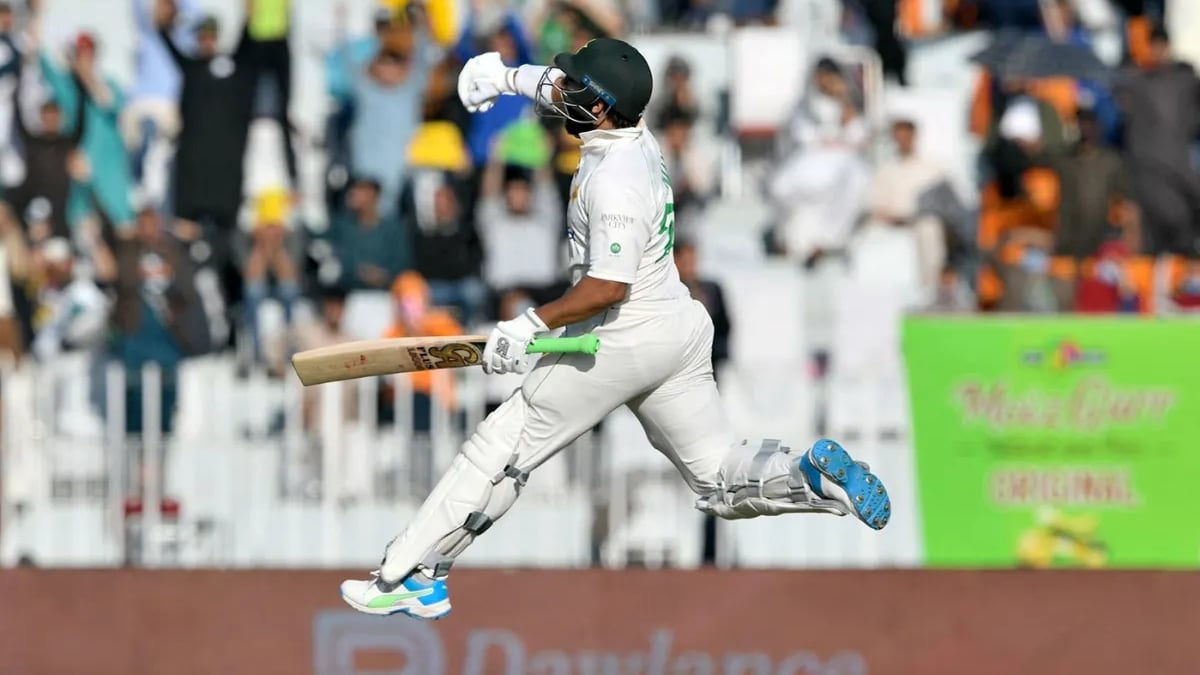
The structural stability of a national sports team depends on calibrated leadership transitions. Left-handed opener Imam-ul-Haq has formally signaled his readiness to stabilize the Pakistan cricket captaincy across all formats. Leveraging a baseline of seven years in international cricket and significant domestic leadership experience, Imam identifies this role as a catalyst for professional growth and system efficiency within the national squad.
Strategic Leadership in Domestic Circuits
Imam-ul-Haq has represented Pakistan in 27 Tests, 75 ODIs, and two T20Is since his international debut in 2017. During a recent interview at the NCA Red-Ball Camp in Lahore, he articulated a clear desire to lead the national side. Imam noted that he has spent the last three years refining his leadership skills within the domestic circuit. Consequently, he views the Pakistan cricket captaincy not just as a dream, but as a logical progression for his career.
Multi-Format Performance vs. Format-Specific Models
The Pakistan Cricket Board recently implemented a major overhaul of its player contracting structure. This new format-specific model divides players into five separate tracks. However, Imam remains committed to a holistic approach. He stated that he does not prioritize one format over another. Instead, he aims to maintain peak performance across all three international formats to ensure the team retains its competitive edge.
The Situation Room Analysis
The Translation: Imam-ul-Haq’s statement is a calculated professional bid. By highlighting his domestic leadership “baseline,” he is positioning himself as a prepared alternative to the current hierarchy. He is effectively translating his statistical contributions into a broader leadership value proposition.
The Socio-Economic Impact: Leadership stability in cricket directly correlates with the “sports economy” in Pakistan. A clear succession plan for the Pakistan cricket captaincy ensures consistent brand value for sponsors. For the average citizen, a stable and winning team boosts national morale and encourages investment in grassroots sports programs across urban and rural sectors.
The Forward Path: This development represents a Momentum Shift. Imam’s willingness to embrace leadership suggests a healthy internal competition for the Pakistan cricket captaincy. If the PCB integrates his domestic insights into the national framework, it could trigger a more disciplined, results-oriented culture within the squad.