
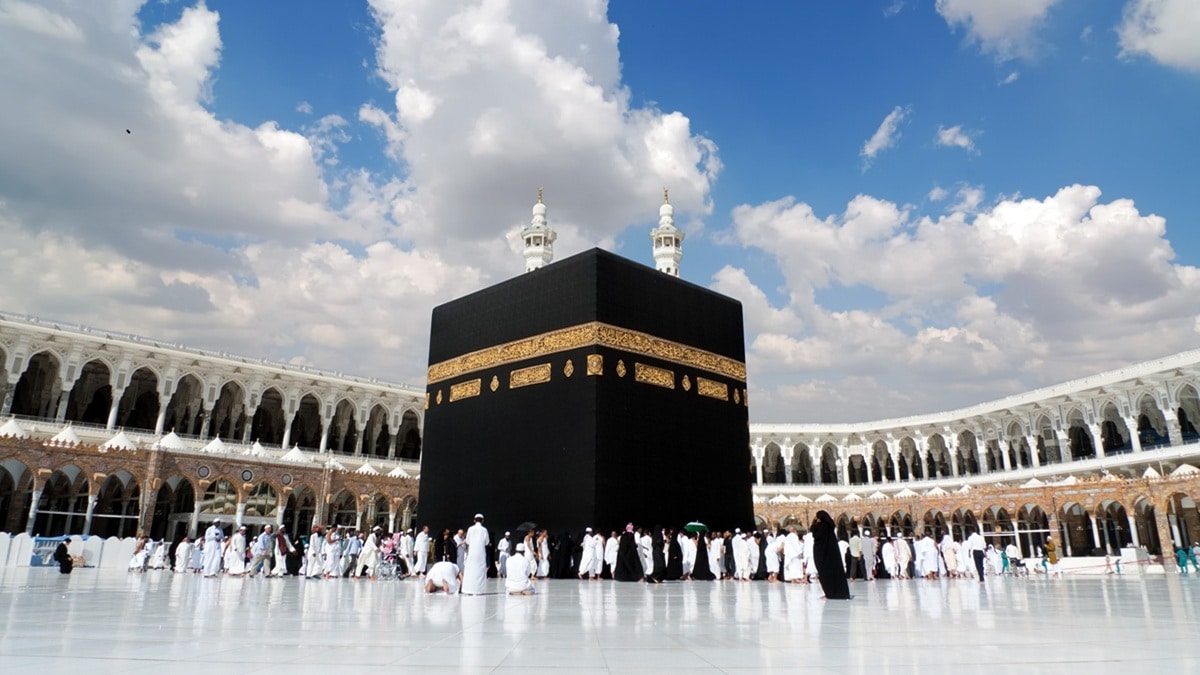
Pakistan’s Ministry of Religious Affairs and Interfaith Harmony recently calibrated a historic shift by introducing the first Multi-Year Hajj Policy. This structural overhaul ensures operational stability and economic precision for pilgrims between 2027 and 2030. By replacing the traditional year-to-year planning model, the government seeks to optimize expenditures through long-term contracts for accommodation, travel, and logistics within Saudi Arabia.
Strategic Framework and Digital Integration
The new 16-page blueprint prioritizes cost efficiency and transparency. Consequently, the government plans to secure three- to four-year contracts for air travel, catering, and baggage handling. This long-term commitment allows for better price negotiations, directly benefiting the pilgrims. Furthermore, the Multi-Year Hajj Policy allocates a 60% quota to the Government Hajj Scheme, while private operators manage the remaining 40%.
Financial precision remains a core pillar of this reform. The Ministry has mandated that all paper-based cash transactions be discontinued. Instead, the State Bank of Pakistan and integrated digital portals will process every financial operation, ensuring a verifiable and secure audit trail for all participants.
The Hajj Savings Scheme and Advance Registration
To assist citizens in their long-term financial planning, the government introduced the Hajj Savings Scheme. Applicants can now reserve priority for their preferred year by depositing 10% of the estimated total cost. This first-come, first-served registration model provides a predictable path for the pilgrimage. Additionally, pilgrims can choose between a standard 38-to-42-day package or a more condensed 20-to-25-day option. Notably, the government will refund any operational surplus directly to the pilgrims after the season concludes.
Social Reforms and Operator Accountability
The Multi-Year Hajj Policy also includes significant social progress. For the first time, women may perform Hajj without a male guardian (Mahram), provided they submit an official undertaking. This move aligns with broader regional regulatory updates and increases accessibility for female pilgrims across Pakistan.
Simultaneously, the government has intensified oversight for private Hajj operators. To eliminate monopolies and cartelization, the policy prohibits the subletting of Hajj quotas. Every private operator must now register with the Securities and Exchange Commission of Pakistan (SECP) and maintain a 5% performance guarantee. Companies failing to maintain a minimum quota of 2,000 pilgrims face immediate deactivation and forfeiture of their security deposits.
Situation Room Analysis
The Translation
In technical terms, this policy represents a shift from “Spot Market” procurement to “Forward Contract” management. By locking in prices for accommodation and transport three years in advance, the government hedges against inflation and currency volatility. This architectural change converts a chaotic annual scramble into a disciplined, predictable logistics operation.
The Socio-Economic Impact
For the average Pakistani household, this policy provides much-needed financial clarity. The Hajj Savings Scheme functions as a micro-investment vehicle, allowing middle-class families to build their pilgrimage fund incrementally rather than facing a sudden liquidity crisis. Moreover, the Takaful-based Hujjaj Muhafiz Scheme provides a safety net, offering Rs. 2 million in compensation for families of deceased pilgrims and coverage for emergency medical evacuations.
The Forward Path
This development is a definitive Momentum Shift. Moving away from reactive governance toward a data-driven, multi-year strategy signals a modernizing bureaucracy. While implementation via the State Bank and digital portals will be the true test, the policy framework creates a baseline for unprecedented transparency in religious tourism.








